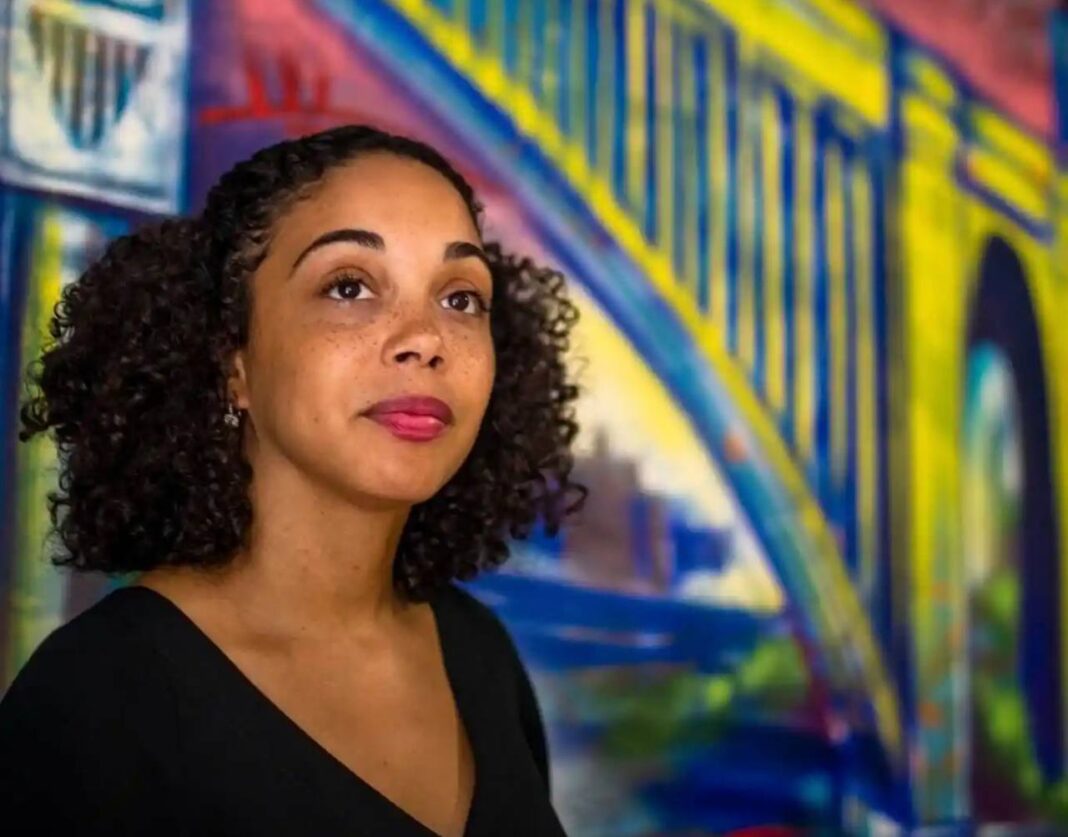

In 2015, at the age of 28, she was first elected to the New York State Assembly, representing the 77th District of the Bronx. Her youth did not stop Latoya Joyner from quickly becoming an influential figure. She was entrusted with leading the Labor Committee—a significant position that allowed her to shape policies on working conditions across the state. Joyner’s work was not limited to labor rights; she implemented many important initiatives for the Bronx community. Her story on bronx-yes.com is an example of how dedication to education, law, and people can become a strong foundation for meaningful social change.
From Jurisprudence to Politics
Latoya Joyner was born on September 13, 1986, in the Bronx, where she spent her childhood and youth. She began her educational journey at Richard R. Green High School for Teaching, which was her first step on the path toward public service.
After high school, Joyner enrolled at the State University of New York at Stony Brook. There, she not only earned a bachelor’s degree in political science and sociology but also achieved academic honors, becoming a member of the prestigious Chi Alpha Epsilon and Phi Beta Kappa honor societies. In college, Latoya also participated in the Educational Opportunity Program (EOP), which opened doors for successful students from low-income families. Thanks to the EOP, she studied abroad in Ghana and took part in internships that shaped her worldview.
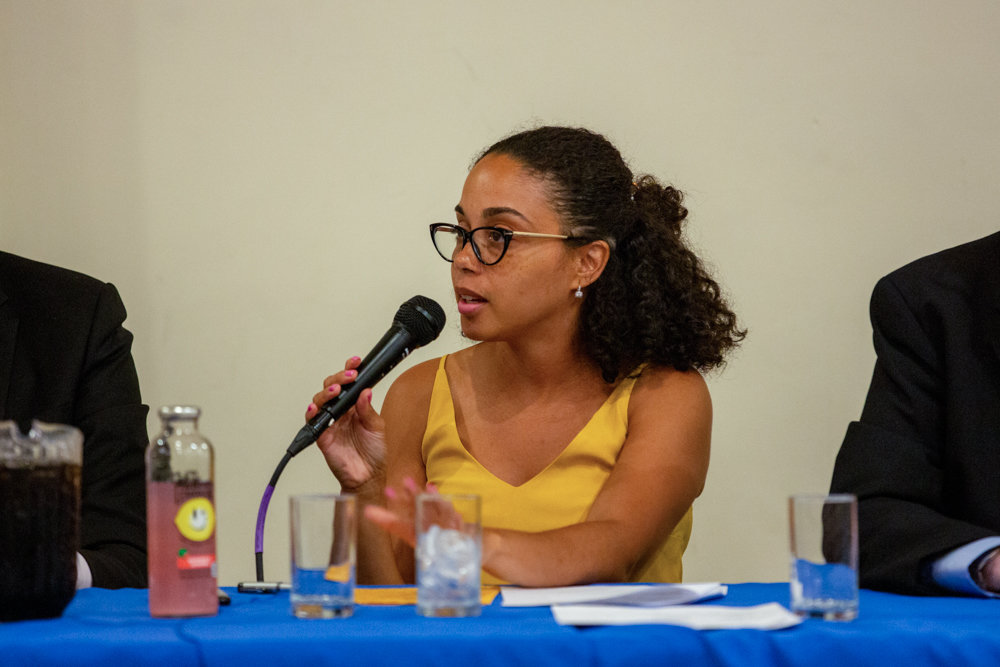
Joyner earned her law degree from the University at Buffalo, where she served as the deputy editor of the Buffalo Journal of Gender, Law and Social Policy. Her legal career was closely tied to social justice. She interned with the New York State Division of Human Rights, investigating cases of housing discrimination. This gave her a deep understanding of the challenges faced by people with disabilities, especially regarding access to permanent housing. Joyner’s legal practice was always focused on helping those most in need. As an attorney in the New York City Civil Court, she helped people without representation defend their rights, from domestic conflicts to small claims. Her deep understanding of housing law became the foundation for her later initiatives in the Assembly.
Latoya took her first steps in public service in the office of then-Assemblywoman Aurelia Greene—a legend of Bronx political life. Starting as an intern, she quickly proved herself and became a liaison to the community. This experience taught Latoya the intricacies of communicating with constituents, analyzing legislation, and negotiating with organizations.
An Ambitious and Determined Politician
When Vanessa Gibson left her position as a New York Assembly member in 2013 to join the City Council, her seat remained vacant for nearly a year. This became an opportunity for the young but already experienced Latoya Joyner. She decisively entered the race for the 77th District and easily won the primary against four other candidates. In the general election, she received nearly 95% of the votes—an impressive show of support from a community that believed in her vision for change.
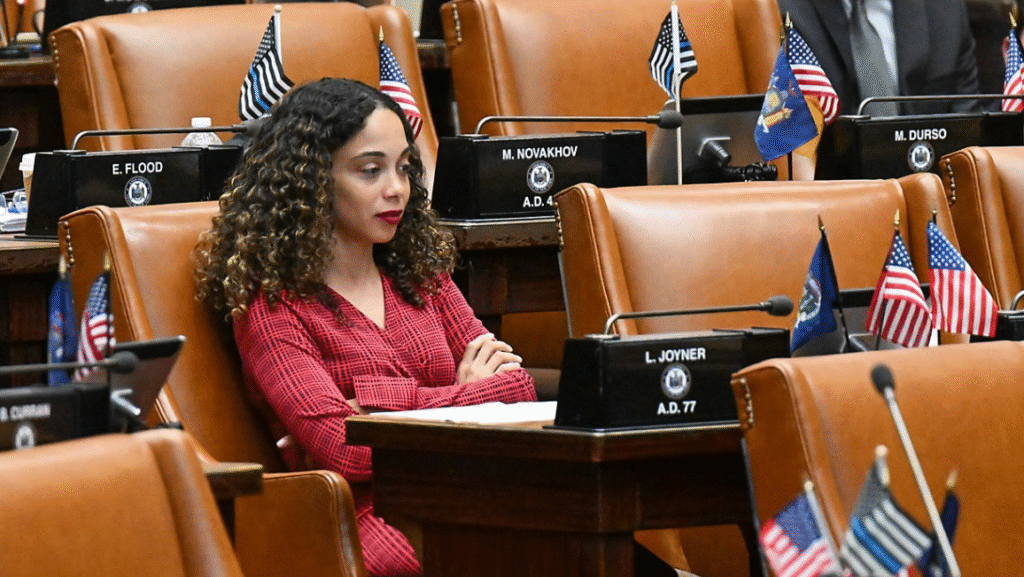
Joyner was sworn into office on January 1, 2015. During her time in the Assembly, she chaired the Subcommittee on Legislative Diversity and later became the head of the powerful Labor Committee. In this role, she actively fought for equal pay, labor rights, support for unions, and increased wage transparency. Her work did not go unnoticed; Joyner rightly earned a reputation as a dedicated and effective advocate for New York’s workers.
Throughout her career, Latoya Joyner remained deeply rooted in the community she represented. She lived among the residents of the Claremont, Concourse, Highbridge, Mount Eden, and Morris Heights neighborhoods—and didn’t just know their problems but experienced them as her own.
Her colleague Vanessa Gibson recalls:
“I have known Latoya for over fifteen years and proudly watched her grow as a leader. She left a profound mark on our community.”
Key Initiatives Implemented by Joyner
Latoya Joyner knows well what it means to fight for justice in a city where not all voices are heard equally. And when it comes to protecting tenants’ rights in New York, a language barrier can often be not just a challenge, but a sentence.
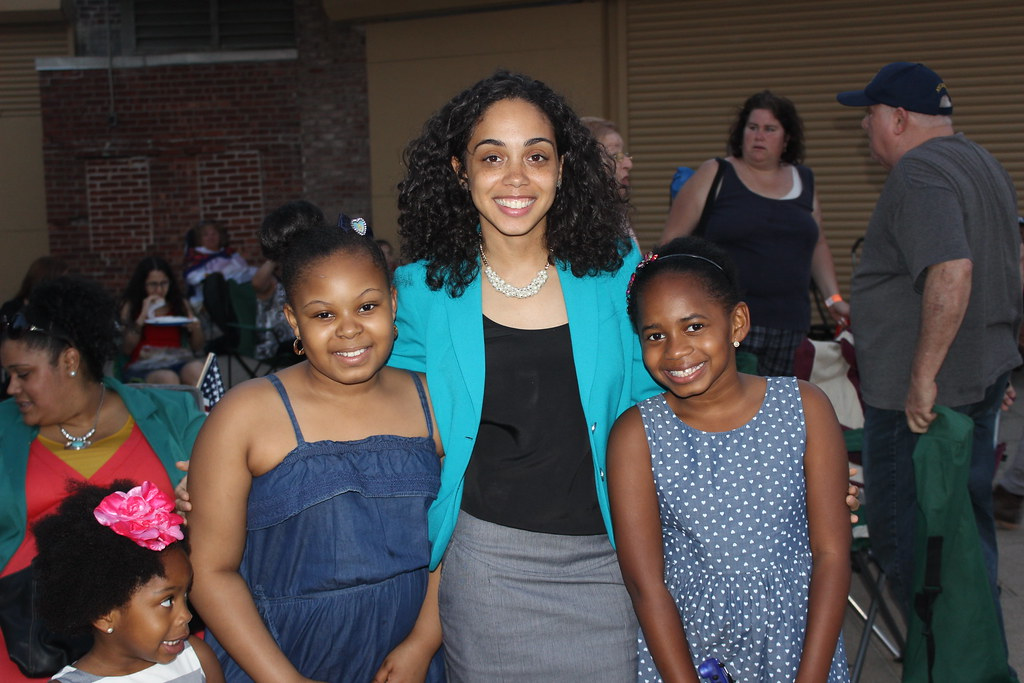
That’s why she initiated and secured the passage of the 2020 Housing Court Equity Act—a critical step toward creating a fairer system for millions of New Yorkers who are not fluent in English. The law required housing courts to provide key documents not only in English but also in Spanish and six other most common languages in the city. Additionally, parties in a case were given the right to an oral translation of court rulings and agreements, so they could clearly understand what they were agreeing to.
“When documents are delivered only in English, tenants who don’t speak the language are automatically at a disadvantage,” Joyner explained. “This isn’t just unfair; it’s dangerous. A language misunderstanding can lead to a person losing their home.”
Joyner’s initiative is particularly relevant in a city where over 5.5 million residents are not native English speakers and 2.5 million have limited English proficiency. For the Bronx, with its multicultural community of Spanish-speaking families and immigrants from Africa, such legislation is vital.
But Latoya Joyner is not just a legislator; she is a driver of change at the community level. Throughout her tenure, she systematically directed resources to where they were most needed.
One such example is a $140,000 grant she secured for the Sustainable South Bronx (SSBx) program—an initiative that combines environmental sustainability with economic opportunities. SSBx trains people in “green” professions, helps residents find jobs, and makes the Bronx a cleaner, healthier place to live.
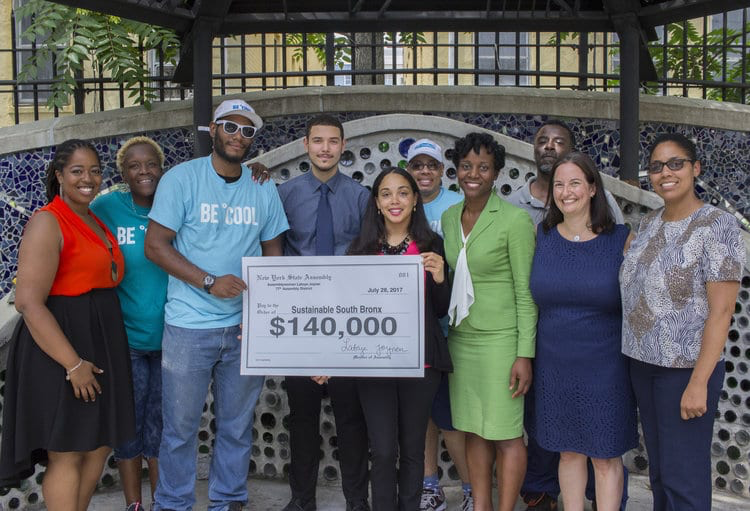
“When we invest in people and the environment at the same time, we are investing in the future of the community,” Joyner emphasized at a certificate ceremony at Hayden Lord Park.
This wasn’t Joyner’s only significant investment. She also directed another $150,000 to the Young Adult Opportunity Initiative (YAOI) of the New Settlement organization. Thanks to these funds, over 160 young people aged 17 to 24 gained access to jobs, internships, and educational programs. Most of them were from families in difficult socioeconomic conditions.
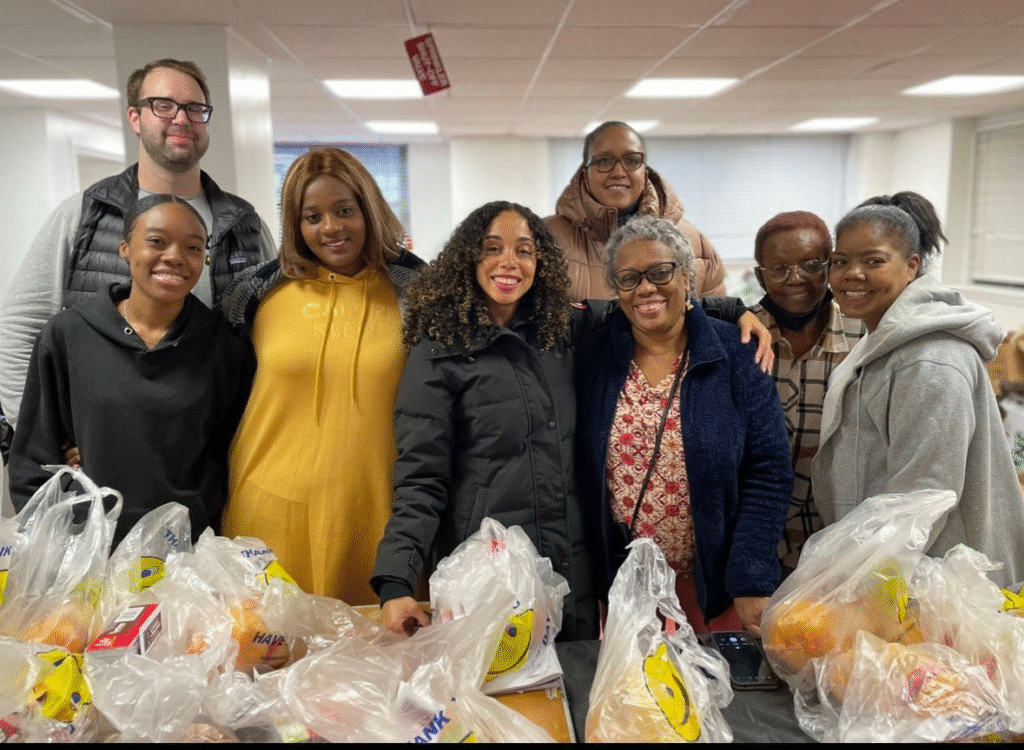
When the COVID-19 pandemic hit New York, Joyner also didn’t leave her community without support. At a time when everyone was panicking and unsure of what to do, she was one of the first to take decisive action. In partnership with the Food Bank For New York City, this public official organized the distribution of food and protective masks at schools in the Bronx.
Latoya Joyner is more than just a politician. She is the voice of those who don’t always have a chance to speak. Her initiatives are examples of leadership that combine legal advocacy, social responsibility, and a deep love for the community that raised her.
In legislative halls, in the courtyards of housing projects, at food distribution events—she remained with the people. And that’s what made her a true example of community service.
Unexpected Resignation
After nearly a decade on the front lines of Bronx political life, Latoya Joyner unexpectedly announced her resignation—less than a week after the 2024 legislative session began. Her decision, published on January 4in a personal social media post, came as a sudden twist.
“After careful consideration and with great difficulty, I have decided to close this chapter of my life,” Joyner wrote.
Her resignation became effective at midnight on January 8. Latoya stated that she was transitioning to a new professional opportunity in the private sector but did not disclose any details.
During her years in the Assembly, Latoya Joyner repeatedly demonstrated that legislation is a tool for social justice. Her legal background and deep understanding of community needs made her one of the most effective voices for protecting vulnerable New Yorkers.
“The victories we achieved together for Bronx families will forever be among my greatest accomplishments,” Joyner emphasized.
While she has left public service, her words make it clear that this is not an end but a transition to a new phase. In a world of politics often dominated by short-term gains, Latoya Joyner has left a legacy founded on the principles of justice, accessibility, and equality. Her official term is over, but her impact will be felt in the communities of the Bronx and beyond for a long time.