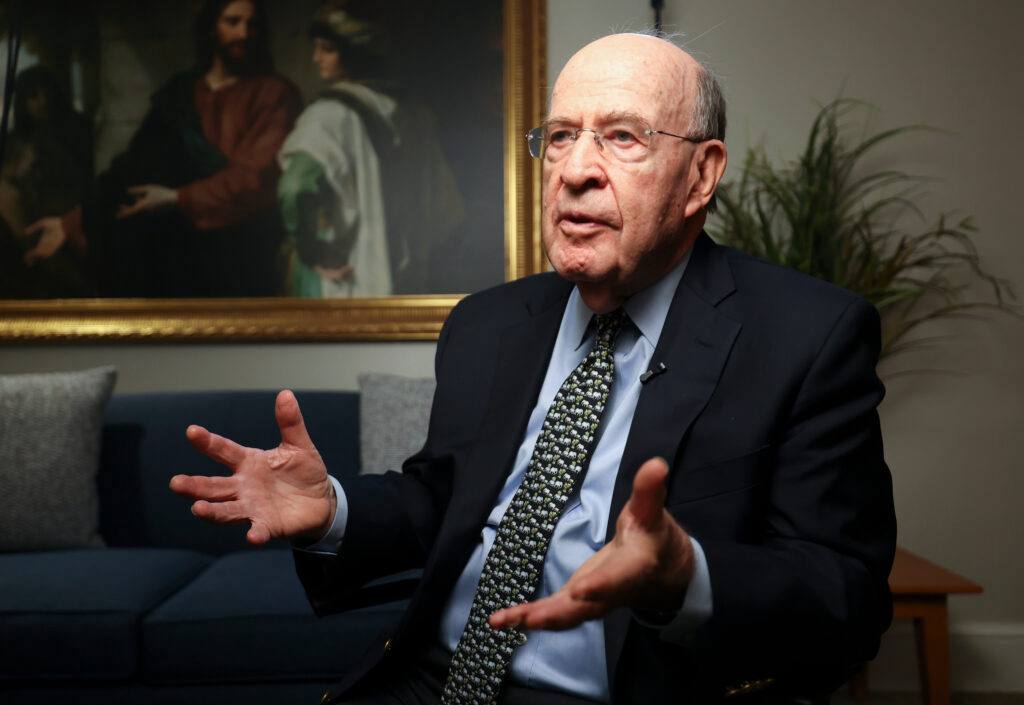

A distinguished American lawyer and politician, Robert Abrams made significant contributions to the legal and political system of New York State throughout his career. He served as Bronx Borough President, Attorney General, and an advocate for the Jewish community. Read on for more about the life and career of Robert Abrams on bronx-yes.com.
The Start of a Political Career
Robert Abrams was born in the Bronx to a Jewish family. His parents were Benjamin and Dorothy Abrams. Growing up in the local community, he always felt a connection to people and their problems. In his memoirs, Abrams often recalled the importance of hard work and shared family upbringing in shaping his worldview.
After graduating from Columbia College and New York University School of Law, he decided to make his mark in politics. As an ambitious young man, Robert took his first step into politics at the age of 27, challenging the local Bronx political machine that controlled the party at the time. His first political campaign was a real challenge for older politicians, as he successfully defeated the traditional Democratic Party favorites in the September 1965 primaries.
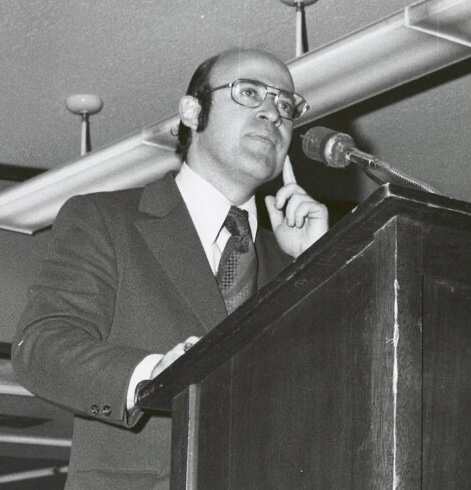
From 1966 to 1969, Abrams was a member of the New York State Assembly, representing a third of the state’s legislative process. This was a crucial part of his career, which opened new paths for him in politics and helped him gain popularity among voters.
At the Peak of His Political Career
In 1970, Robert Abrams became the Bronx Borough President. After being elected in 1969, he continued to be reelected successfully, winning the majority of votes in 1973 and 1977. His political influence extended to the national level when he became a delegate to the Democratic National Conventions in 1972, 1976, 1980, and 1984.
But true political fame came to him when he became the Attorney General of New York State in 1978. Abrams was the first Democratic Attorney General in forty years and was subsequently reelected three times: in 1982, 1986, and 1990. He gained popularity for his resolve in fighting for consumer rights, environmental protection, and investigating large-scale fraud. One of the most high-profile cases was the investigation into the Tawana Brawley incident, a Black girl who claimed to have been gang-raped, but the investigation led by Abrams showed that her story was fabricated.
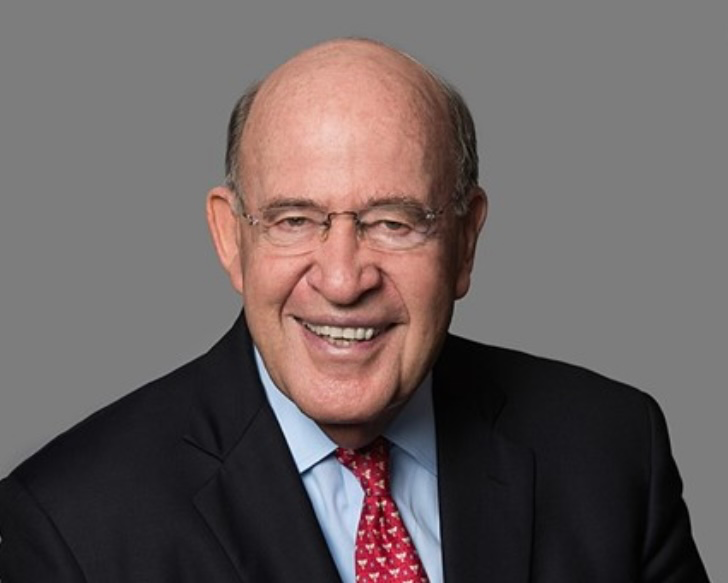
Abrams was also known for his active fight for women’s rights and his defense of anti-discrimination laws. He became one of the most prominent figures in the fight for abortion rights, preventing pressure from anti-abortion groups on clinics. His work in the environmental field left a lasting mark when he achieved the cleanup of toxic sites, including Love Canal, and forced corporations to pay compensation to affected citizens.
Despite his numerous achievements, Robert Abrams’s campaign for the U.S. Senate in 1992 was unsuccessful. Although he won the Democratic primary after trailing Geraldine Ferraro, he was unable to win the general election, losing to Alfonse D’Amato. After this defeat, Abrams decided to step down as Attorney General and announced his resignation by the end of 1993.
During his time in public service, Abrams received numerous awards and recognitions, including the Wyman Award for distinguished service as Attorney General.
“Every day of public service was a unique challenge and a great personal satisfaction,” Abrams said.
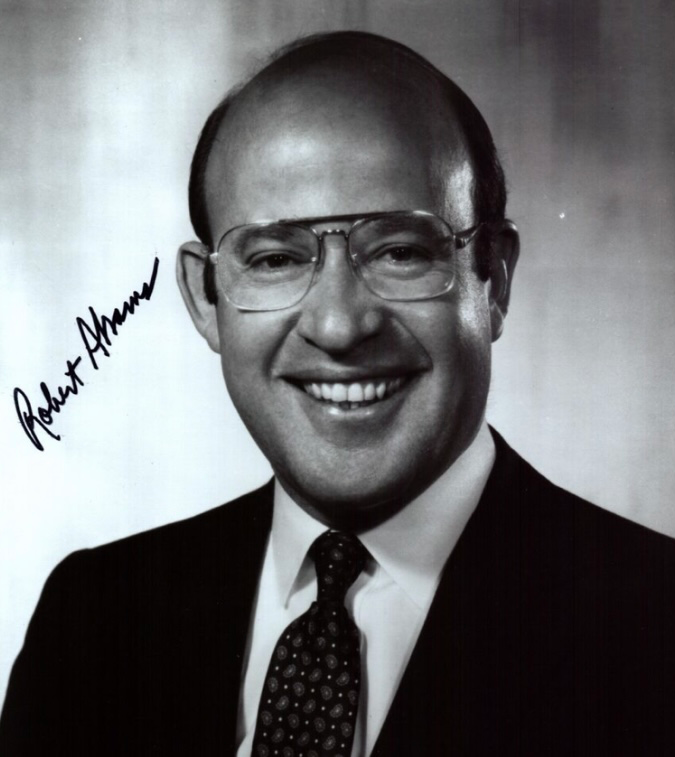
New Horizons in Public Service
After his government career concluded, Robert Abrams did not withdraw from public life. In 1993, he joined the law firm Stroock & Stroock & Lavan as a partner, continuing his work in the legal field. However, despite the transition to the private sector, he remained an active participant in public initiatives and repeatedly drew attention to important issues for New York.
In 1996, the NYU School of Law established the “Robert Abrams Lecture on Public Service.” This annual program became an important element for future lawyers, as prominent public figures with extensive experience in government service encouraged students to choose a path of service to society. Over the next 25 years, lecturers included senators, governors, attorneys general, and judges, such as Joe Lieberman, Heidi Heitkamp, Ted Kulongoski, and Letitia James.
In 2005, New York Mayor Michael Bloomberg appointed Abrams to the New York City Charter Revision Commission. Equally significant was his appointment in 2006 by newly elected Governor Eliot Spitzer as co-chair of the Advisory Committee on Government Reform, and in 2007, as executive chair of Attorney General Andrew Cuomo’s transition committee.
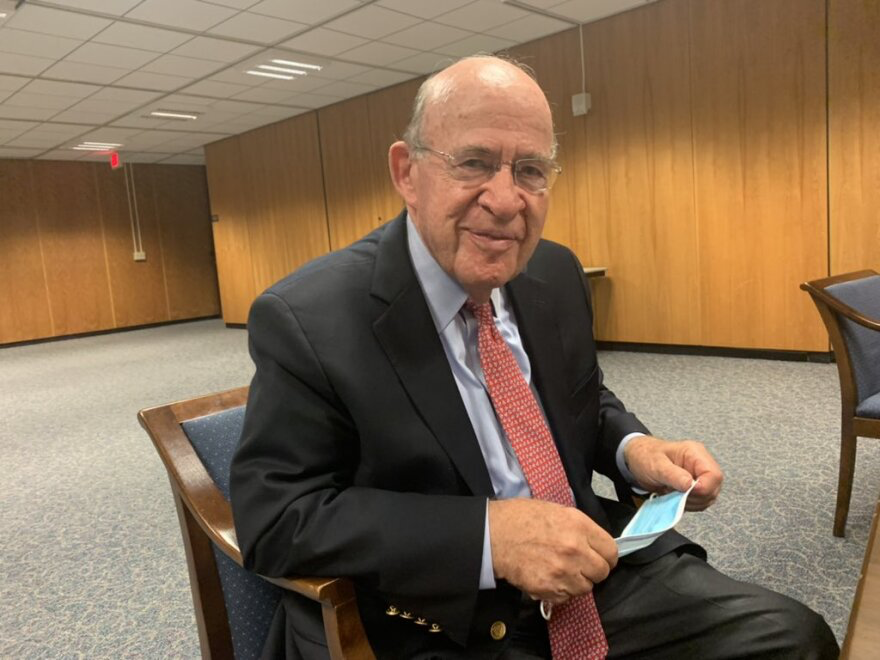
In 2008, Abrams took on another important role when Governor David Paterson appointed him to the Board of Directors of the United Nations Development Corporation. In the same year, his service was recognized when Paterson renamed the Justice Building in Empire State Plaza to the “Robert Abrams Building for Law and Justice”—a meaningful gesture that highlighted his contributions to the legal and public spheres.
Abrams’s active role wasn’t limited to New York organizations. In 2012, Governor Andrew Cuomo appointed him co-chair of the Moreland Commission to investigate the aftermath of Superstorm Sandy. Thanks to the commission’s work, important changes were made to New York State’s utility laws and practices, which helped prepare them for future disasters.
In addition to these major appointments, Abrams was actively involved in other community organizations. He served on the boards of foundations and organizations such as the New York City Foundation, the Civic Union, the America-Israel Friendship League, and the Council for a Safe America, which speaks to his ongoing commitment to public initiatives and charitable causes.
Overall, after his government service, Abrams continued to actively influence the development of New York, while encouraging new generations to serve society through education, reform, and volunteering.
Leader of the Soviet Jewry Movement and Activist
Robert Abrams played a significant role as a leader of the Soviet Jewry Movement in the United States. As head of the Greater New York Conference on Soviet Jewry, he actively worked to protect the rights of Soviet Jews, promoting their emigration and integration into Western societies. Abrams made multiple trips to international conferences, including in Paris, Brussels, and Jerusalem, where he worked on strategies to support the Jewish community. In 1991, he gave a lecture in Moscow in honor of Raoul Wallenberg, addressing several hundred leaders of Jewish communities from different republics of the USSR, continuing his fight for the rights of Jews.
One of Abrams’s most important achievements was resolving the conflict between the Jewish community and the Church of Jesus Christ of Latter-day Saints regarding proxy baptisms. Abrams participated in the creation of joint programs between the two communities, which included a delegation visit to Israel in 2016. This visit became an important step in building bridges between religious communities, who together commemorated the 175th anniversary of Orson Hyde’s prayer on the Mount of Olives.
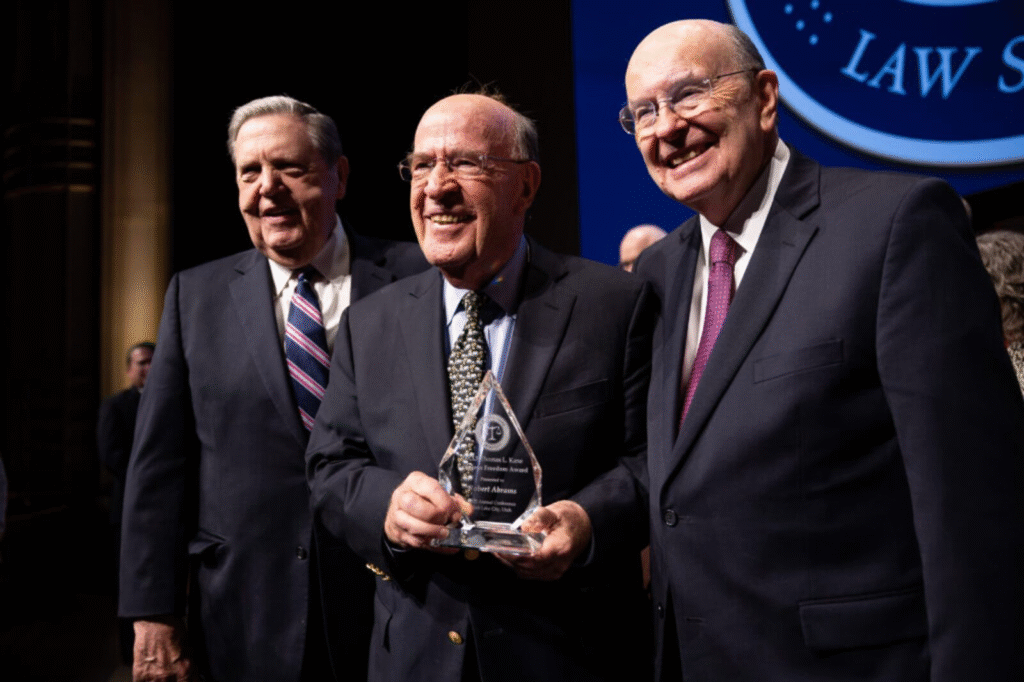
On June 9, 2022, in Salt Lake City, Abrams was awarded the Thomas L. Kane Award by the J. Reuben Clark Law Society for his leadership efforts in promoting Jewish-Christian dialogue.
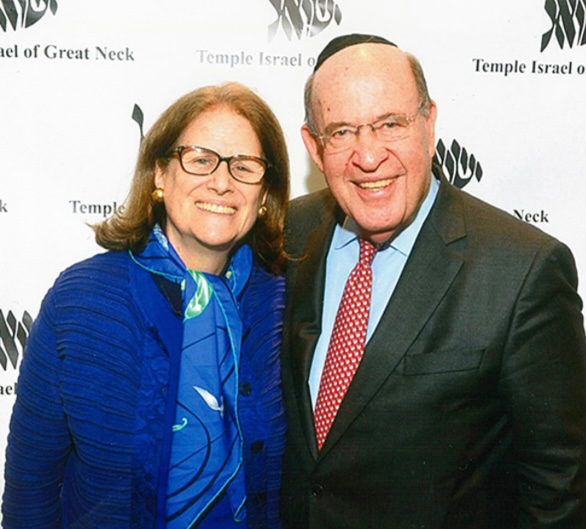
In 2021, Robert Abrams published his memoir, “The Luckiest Guy in the World: My Journey in Politics,” in which he detailed his political career and shared his reflections on racial and religious discrimination, civil rights, and political challenges.
In the book, he praised Israel’s progress, highlighting its role as a democratic state that allows for diverse opinions and cultural integration. He noted that Israel is a “safe place” for Jews and Arabs who work and study together. Abrams also emphasized the importance of supporting human rights and democracy, sharply criticizing Donald Trump’s attacks on American democracy.
Abrams, as an activist and political figure, always attached great importance to protecting the rights of minorities and fighting for justice for all citizens. He believed that America could become even better if every one of its citizens joined the fight for equality and truth.