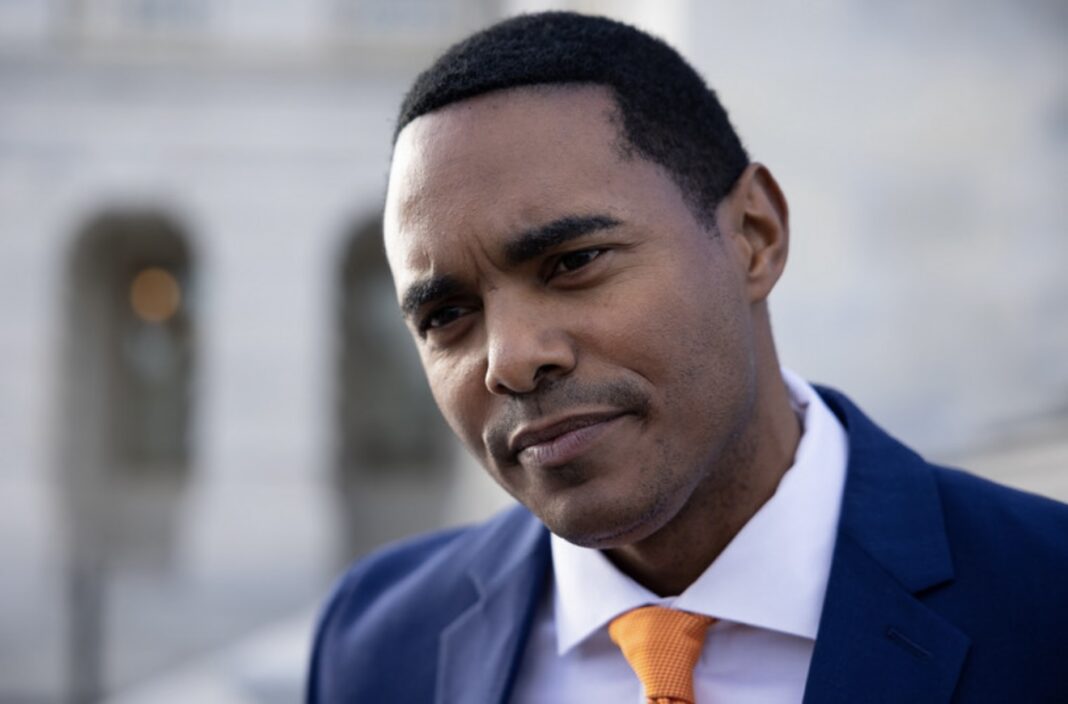

Ritchie Torres’s career is the definitive journey from the public housing developments of the Bronx to the halls of power in Washington, D.C. In this article on bronx-yes.com we trace his transformation from a grassroots progressive activist into an influential—and often provocative—political powerhouse. We’ll explore his ironclad foreign policy stances, his personal battles, and the core convictions that drive him.
Through Mold, Fear, and Poverty
Ritchie Torres’s story begins in the heart of the Bronx—a borough where systemic challenges are woven into the fabric of daily life. Born March 12, 1988, into a family with Puerto Rican roots, he was raised in a traditional Catholic environment by a single mother. She raised three children on a shoestring budget, constantly fighting to make ends meet.
Torres spent his childhood in NYCHA public housing in the East Bronx, where infrastructure failures weren’t just political talking points; they were a physical threat. Chronic mold in the apartment triggered severe asthma attacks, landing him in the hospital multiple times. Growing up in poverty provided an early, brutal lesson in the inequality that persists even in the world’s wealthiest city.
The contrast between his dilapidated surroundings and massive city projects—like the construction of a luxury golf course in Ferry Point Park—only sharpened his sense of injustice. It was then that a conviction took root: he would become the voice for those the system had ignored.
During his school years, Torres navigated another layer of his identity, realizing his sexuality differed from the prevailing social norms. For a long time, the fear of harassment kept him silent. It would take years before he found the courage to live openly.
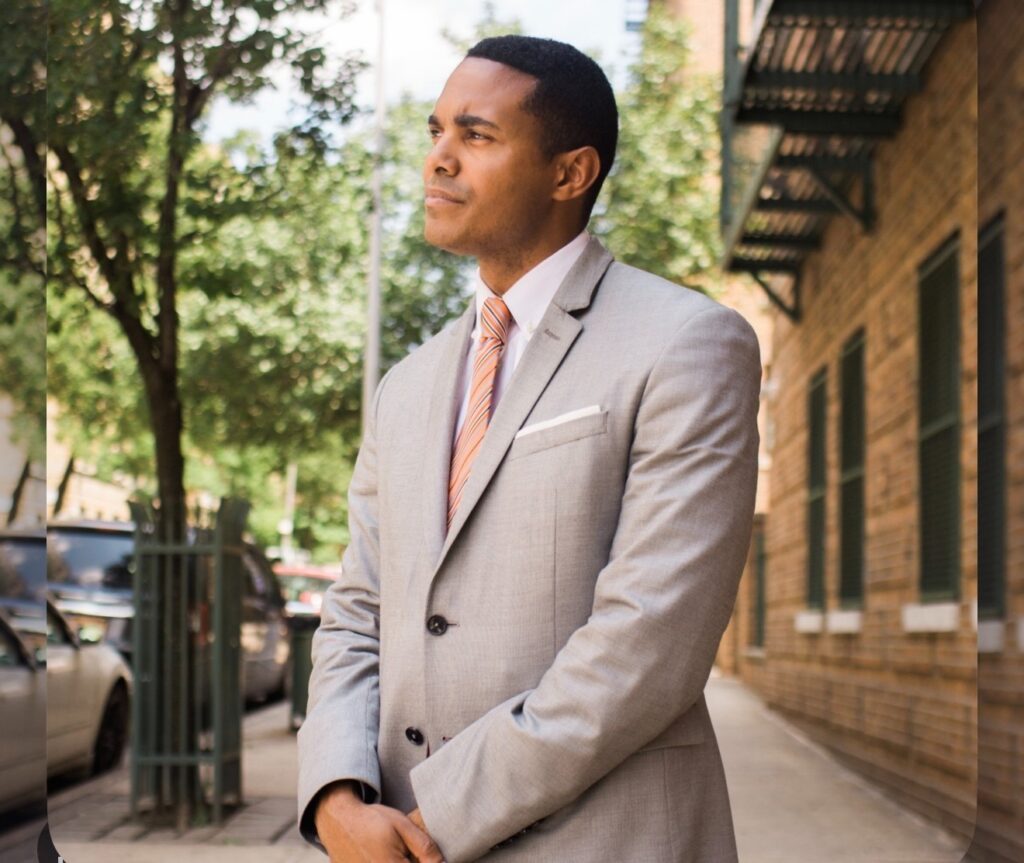
Even as a teenager, Torres was a fighter—literally, staging backyard wrestling matches, and intellectually, through high school debate. It was there he caught the eye of James Vacca, a future mentor who opened the door to city government. Their connection quickly evolved into a partnership; Torres joined Vacca’s campaign and later his staff. There, he threw himself into housing policy, inspecting buildings, documenting violations, and hounding landlords for repairs. Colleagues remember him as a man who approached every problem with the tenacity of a pit bull.
Though he eventually had to put his college education on hold due to a severe struggle with depression, the experience didn’t break him. Instead, it became another crucible that forged his resilience and grit.
Action-Oriented Politics: Transforming New York
Torres’s political ascent was rapid. At just 25 years old, he launched a bid for the New York City Council. His district spanned dozens of Bronx neighborhoods, from Fordham to Parkchester—an area defined by deep social contrasts and chronic disinvestment.
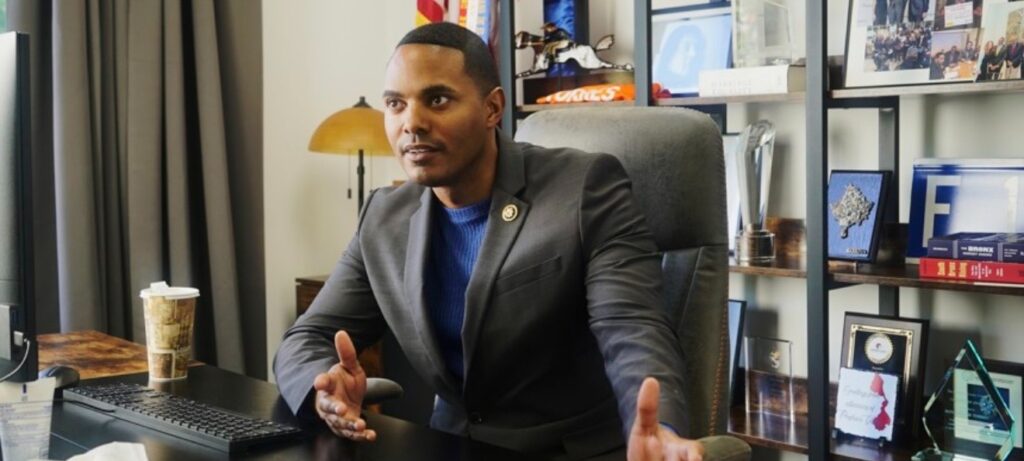
His primary victory was historic. Torres became one of the first openly gay candidates in the Bronx to be nominated by the Democratic Party, and upon winning the general election, he became the borough’s first openly LGBTQ+ elected official. In the socially conservative Bronx, his win was a tectonic shift that echoed far beyond the ballot box.
On the Council, Torres quickly earned a reputation as a policy heavyweight. His colleague, then-Brooklyn Councilman Mark Treyger, noted:
“His questioning was so sharp and so piercing that the city administration actually dreaded hearings chaired by Ritchie Torres.”
Torres chose the toughest battlefield available: public housing. As chair of the Committee on Public Housing, he took oversight of NYCHA—the nation’s largest public housing system, home to hundreds of thousands of low-income residents. His approach wasn’t academic; he led on-site inspections, fought for repair funding, and publicly exposed systemic failures like lead paint contamination. For him, housing policy wasn’t just a portfolio; it was a personal mission.
For Torres, social policy always included human rights. He was instrumental in opening the Bronx’s first shelter for homeless LGBTQ+ youth and secured funding for senior support programs across the city.
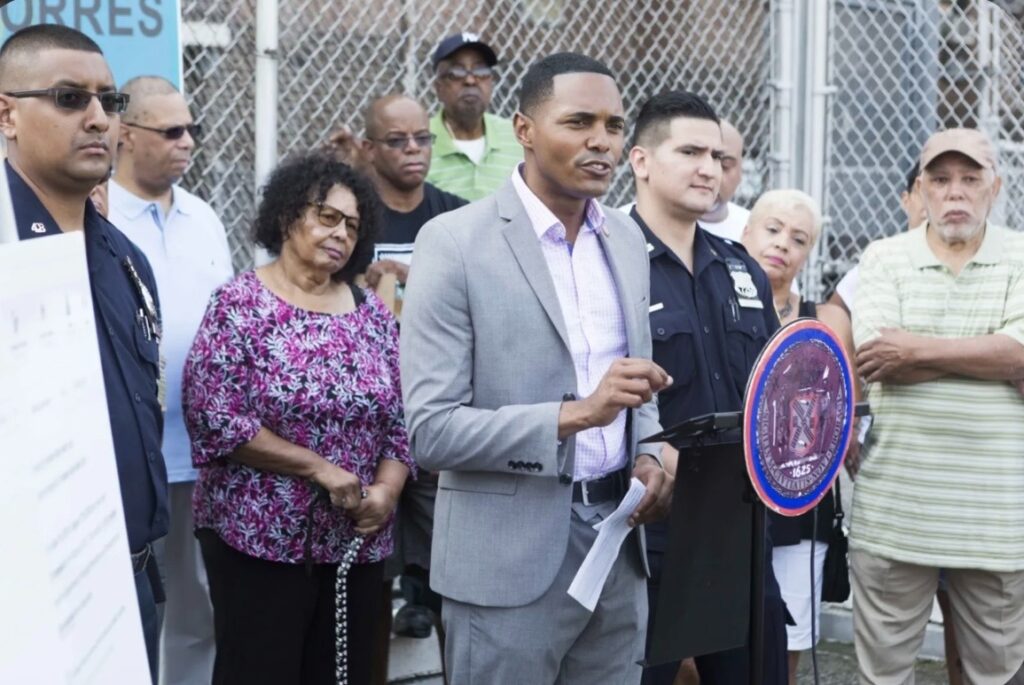
He also made public safety a priority. As gun violence spiked, Torres helped direct tens of millions of dollars toward violence interruption and prevention programs.
This track record cemented his image as a new breed of politician—one who is just as comfortable crunching budget numbers as he is listening to the raw, lived experiences of his constituents.
The National Arena: Ambitions and Challenges
For Ritchie Torres, local politics was never the finish line. He has always been vocal about his desire to move beyond the city level to a stage where he can tackle the nation’s systemic issues. His mission was clear: to become the voice of the urban poor on the national stage.
In 2019, Torres announced his run for Congress in New York’s 15th District—the poorest congressional district in the country. During his campaign, he didn’t shy away from personal vulnerability, speaking openly about his struggles with depression. This transparency bolstered his image as a leader who isn’t afraid of tough conversations and who is dead-set on housing reform and breaking the cycle of concentrated poverty.
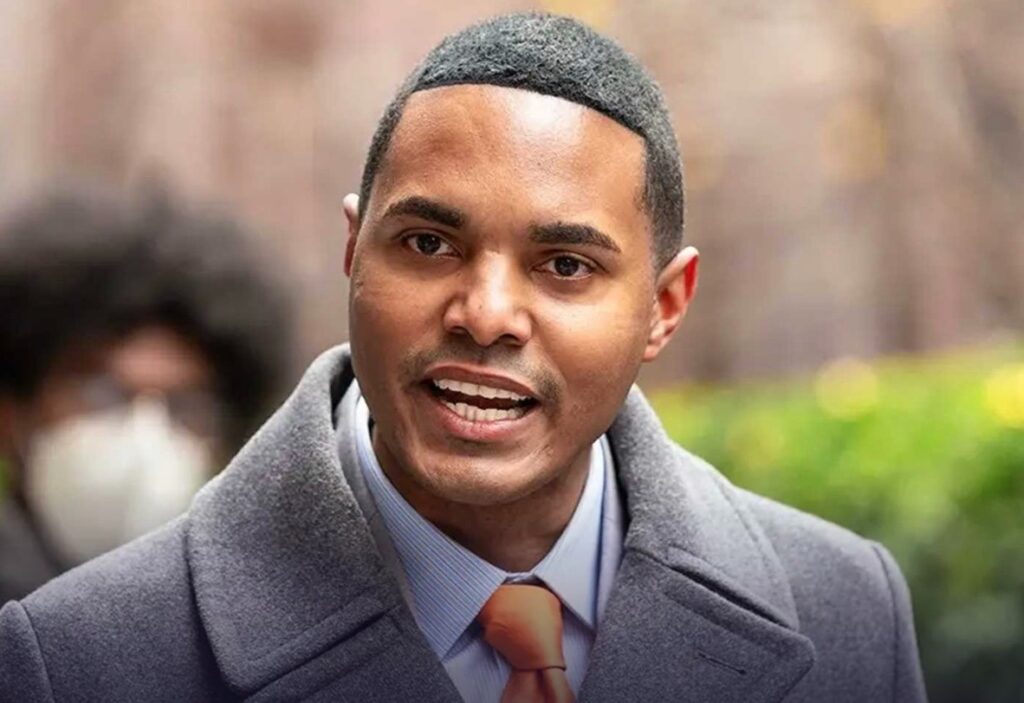
The race quickly became a symbolic battle for the soul of the Bronx. His main opponent, Ruben Diaz Sr., represented an older, socially conservative wing of the Democratic Party. The contrast was stark: a clash of generations, political styles, and—most notably—stances on LGBTQ+ rights. The campaign turned into a litmus test for the Bronx: a choice between the past and the future.
Torres won. Once in D.C., he wasted no time carving out a unique profile. He emerged as an unlikely ally for the crypto industry, advocating for clear “rules of the road” rather than heavy-handed regulation. He also championed the Green New Deal, framing the modernization of public housing as a critical component of climate policy. A vocal critic of past infrastructure decisions, he has frequently called out “environmental racism” in urban planning.
Torres views the duality of his role in Congress as his greatest asset:
“One moment I might be taking a complaint about a pothole on Fordham Road, and the next, I’m in a classified briefing about a potential war in the Taiwan Strait.”
His trajectory remains fast-paced. Following a decisive victory in 2024, he is already looking toward new challenges. In the 2026 primaries, he is expected to face Michael Blake—another prominent Democrat looking to redefine the party’s direction.
Foreign Policy: Principles Over Compromise
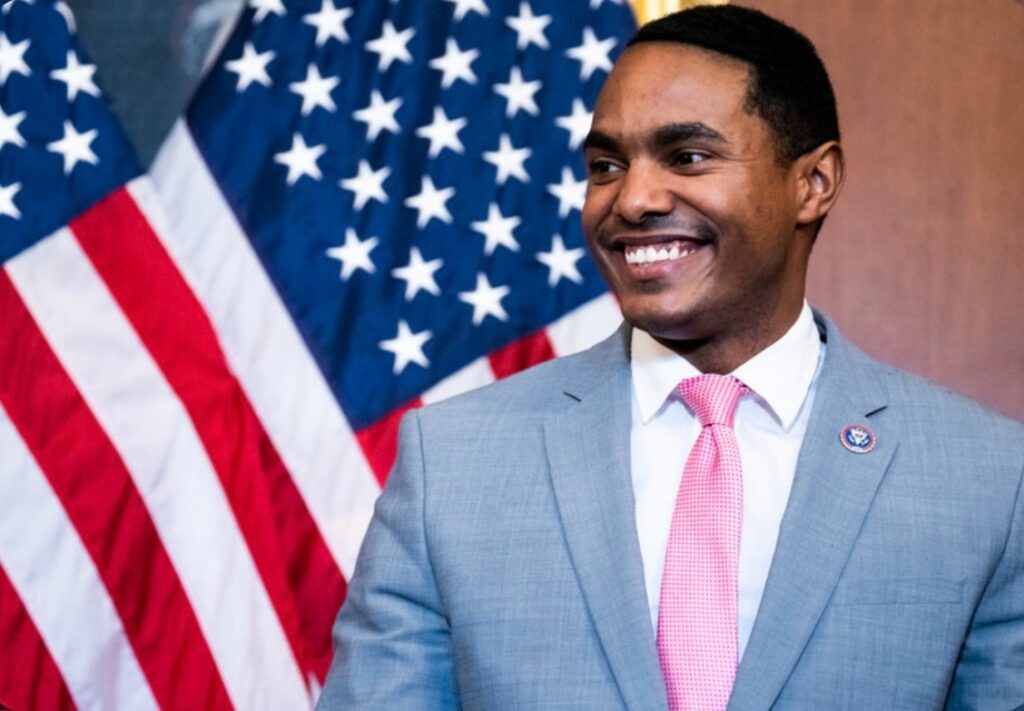
In the halls of Congress, Ritchie Torres has quickly distinguished himself with a foreign policy stance that is both clear and, at times, unapologetic. His approach blends staunch support for U.S. allies with aggressive rhetoric toward authoritarian regimes.
At the core of his worldview is a commitment to nations he believes are on the front lines of freedom. This conviction drove his 2024 votes for military aid packages to Ukraine, Israel, and Taiwan. He has been particularly vocal regarding Ukraine, emphasizing the moral and strategic necessity of standing against Russian aggression.
His international focus also extends to the Balkans. Torres has become a key advocate for deepening U.S. ties with Kosovo, which he describes as one of Washington’s most reliable partners in the region. Simultaneously, he has been a sharp critic of Serbia, accusing the nation of drifting into Russia’s orbit and threatening European stability.
Perhaps his most defining—and polarizing—stance is his unwavering support for Israel. Torres openly identifies as a pro-Israel stalwart, consistently defending the country’s right to self-defense. In the wake of the October 2023 Hamas attacks, he took a hardline position: rejecting calls for an unconditional ceasefire and blasting rhetoric he deems anti-Israel.
This stance has created a significant rift within the Democratic Party. Torres not only supported the censure of Rashida Tlaib but eventually split from the Congressional Progressive Caucus over fundamental disagreements regarding the Israeli-Palestinian conflict.
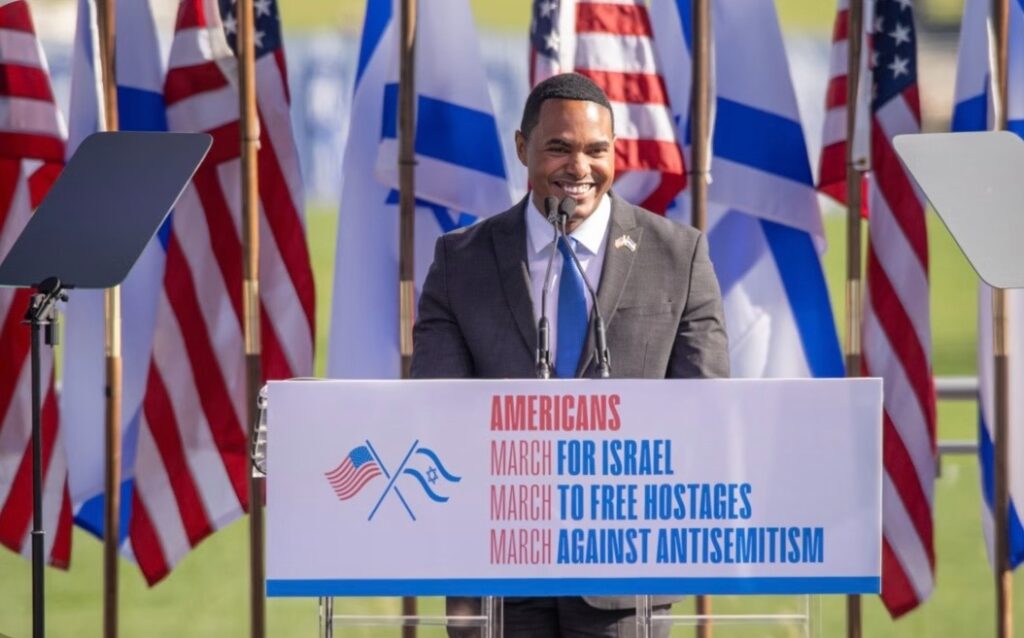
His foreign policy style is a mix of ideological conviction and digital-age combativeness. He doesn’t mince words, thrives in public debate, and uses social media as a primary tool for influence. For Torres, international affairs isn’t just about diplomacy; it’s a battle for the narrative.
He remains a figure who defies easy categorization. To some, he is a man of principle who isn’t afraid to buck his own party. To others, he has strayed from the progressive ideals he started with. But one thing is certain: Ritchie Torres doesn’t look for the comfortable position. He looks for the one worth fighting for.