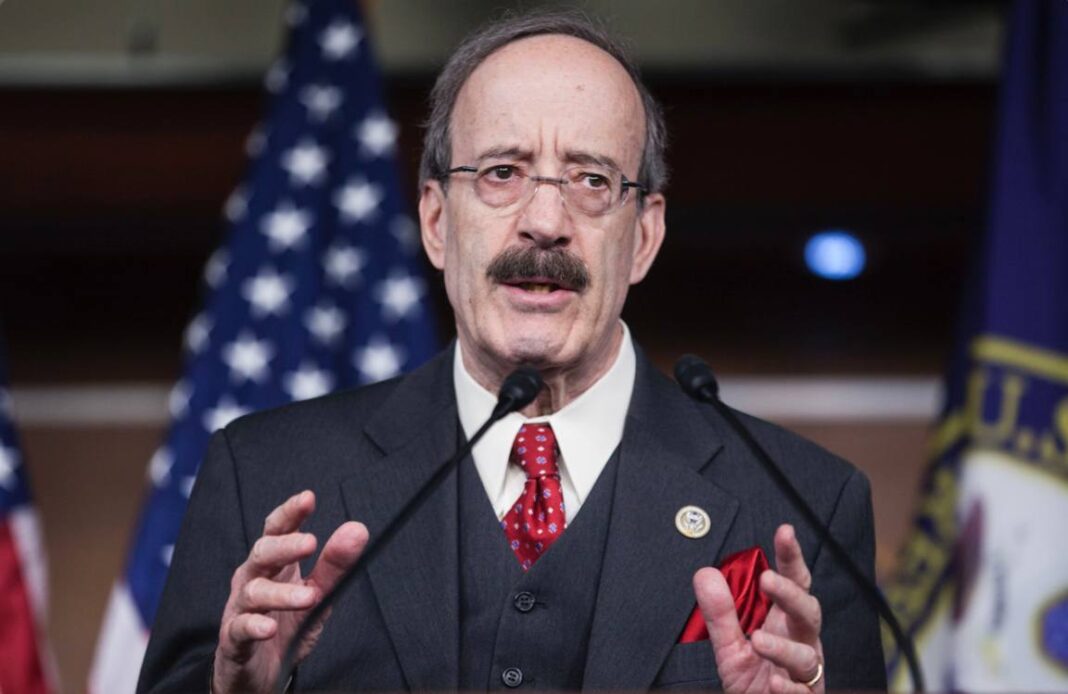

Eliot Engel was one of the most prominent political figures from the Bronx. For more than three decades, he represented his district in the U.S. Congress, building a reputation as an influential Democrat. Issues of international policy held a special place in his career, and it was here that Engel became a key party figure, gaining authority not only in New York but also on a national level. Read on for more about Eliot Engel’s political career on bronx-yes.com.
The Beginning of His Journey
Eliot Engel was born and raised in the heart of the Bronx, in a family with working-class roots. His father, Philip, worked at a metal factory, and his mother, Sylvia, was a homemaker. Engel’s grandparents, who were Ukrainian Jews, had emigrated from the territory of the Russian Empire in search of a better life.
Young Eliot grew up in a typical New York housing complex, attended public schools, and from an early age saw how difficult it was to carve out a place for yourself in the big city. Education became his stepping stone to the future. In 1969, he earned a bachelor’s degree in history from the Hunter College campus, which was then located in the Bronx. A few years later, this institution was renamed Lehman College, where Engel earned his master’s degree in counseling and guidance in 1973.
Not stopping there, he completed another stage of his education in 1987, receiving a law degree from New York Law School. Thus, Engel’s intellectual and professional background combined history, education, and law.
Engel didn’t enter big politics right away. He first worked as a teacher in New York public schools and helped young people as a school counselor. But gradually, his path led him toward more active participation in solving social problems.
A Lifetime of Political Experience
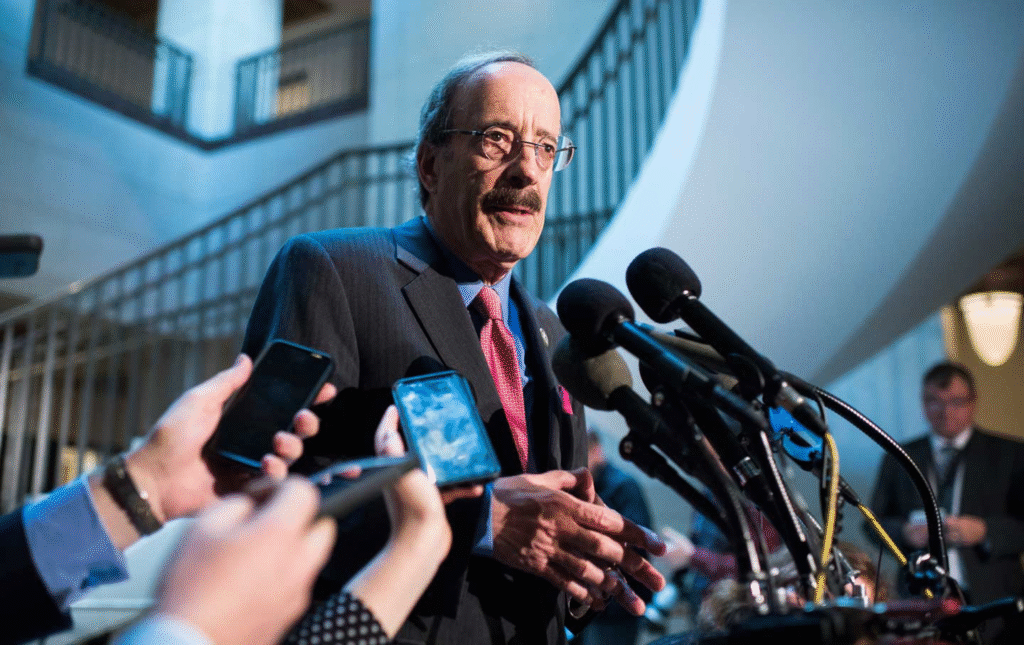
In 1977, Eliot Engel entered the political arena for the first time, running in a special election for the New York State Assembly. This happened after Democrat Alan Hochberg’s resignation. Interestingly, Engel ran as a candidate for the Liberal Party, not the Democrats, and won by a minimal margin of just 103 votes, beating Democrat Ted Weinstein and Republican Arlene Siegel.
Engel established himself as a concerned and principled politician. He chaired the Committee on Alcoholism and Substance Abuse, as well as the Subcommittee on Housing for the Mitchell-Lama program, which was aimed at creating affordable housing for the working and middle classes.
In 1988, Engel decided to take a step up and ran for the U.S. House of Representatives in New York’s 19th District. It was a tense race. His opponent was Mario Biaggi, a legendary congressman who had been elected to the position more than ten times. But the Wedtech scandal, in which Biaggi was accused of racketeering, effectively destroyed his campaign. Engel won with 56% of the vote. From that point on, he held his seat in Congress for over 30 years. In 1994, Engel even defeated the famous musician Willie Colón, and in 2000, he beat state senator Larry Seabrook, who was supported by the influential Bronx Democratic machine.
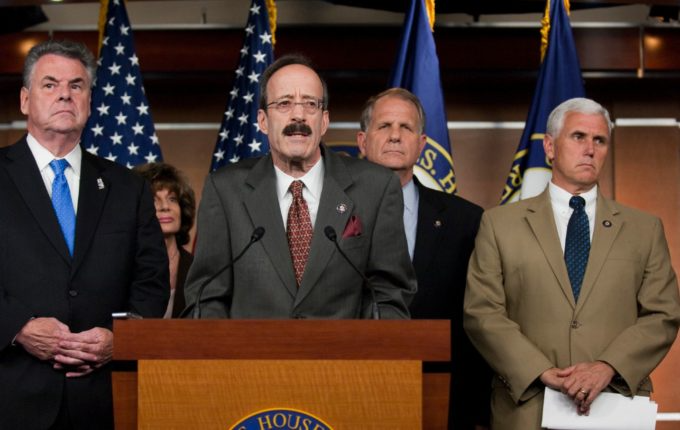
But 2020 was a year of political upheaval. In the primary for the 16th District, Engel was challenged by progressive educator and principal Jamaal Bowman. Initially, Engel had strong support, with endorsements from House Speaker Nancy Pelosi, Hillary Clinton, congressmen from party leadership, and influential organizations like AIPAC. But everything changed after his disastrous remark at a press conference. Eliot Engel dismissively said,
“If I didn’t have a primary, I wouldn’t care.”
These words sounded like an admission of indifference to voters and became a turning point. Bowman quickly gained momentum. He was supported by progressive politicians, including Alexandria Ocasio-Cortez and Ayanna Pressley, as well as activist movements. The result was stunning: Bowman beat Engel by more than 13,000 votes and won over 55% of the support. For Engel, it was a bitter end—a defeat after 16 consecutive victories in Congress.
Legislative Legacy: From Healthcare to Energy and Consumer Rights
Eliot Engel always positioned himself as a socially-minded politician, especially in healthcare. He co-authored the National Health Act, which sought to implement a nationwide universal healthcare model. In 2010, he actively supported the passage of the landmark Affordable Care Act (Obamacare).
In 2008, Engel initiated the creation of a national patient registry and legislation that stimulated research on muscular dystrophy. He later proposed a series of initiatives aimed at improving care for pregnant women and newborns, as well as combating gestational diabetes. A separate area of his work was global health. Engel helped restore the PEPFAR program to fight AIDS and promoted his own “Stop TB Now” project to ensure the U.S. supported international research and treatment for the disease.
Equally important to Eliot Engel was energy and reducing the U.S.’s dependence on imported oil. As early as 2005, he collaborated with Republican Jack Kingston on a bill that grew into the large-scale DRIVE initiative. It provided for the development of alternative fuels, stimulating biofuel production, and raising energy efficiency standards.
Another key topic was guns. Engel consistently advocated for stricter control: banning assault weapons and high-capacity magazines, implementing universal background checks, and developing “smart gun” technology. In 2009, he even called on President Barack Obama to reinstate the ban on the import of foreign assault weapons.
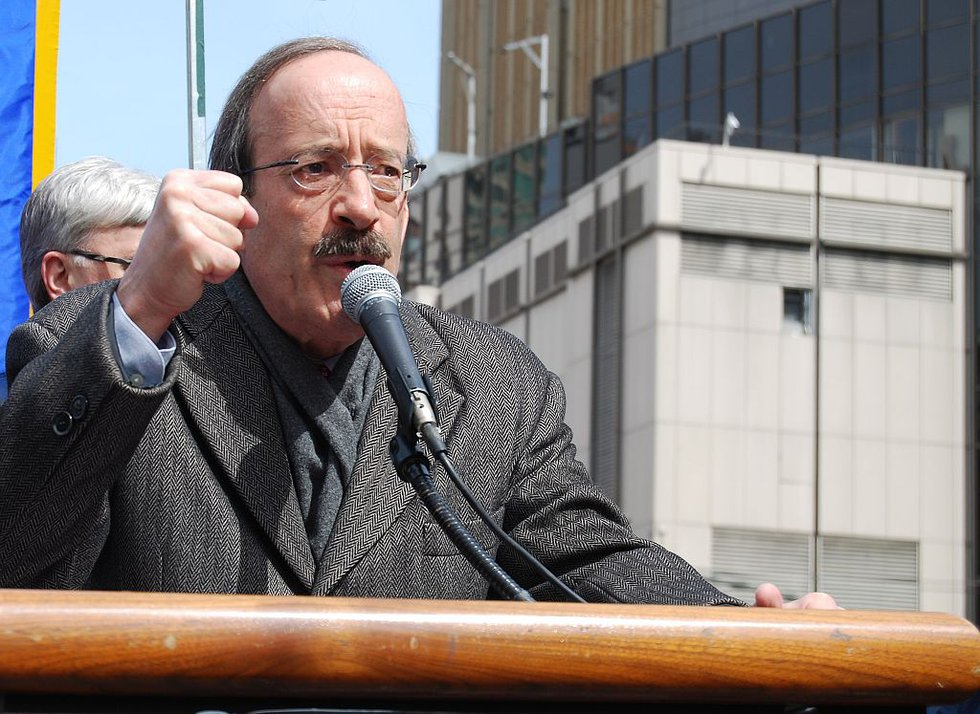
His initiatives also addressed issues of the digital age. In 2010, the Truth in Caller ID Act was passed—essentially an expanded version of Engel’s project that protected people from telephone fraud. In 2012, he went even further, proposing the SNOPA bill, which would have guaranteed privacy on social media and prohibited employers from demanding passwords to candidates’ or students’ accounts.
International Relations
Few congressmen from the Bronx have left as significant a mark on U.S. foreign policy as Eliot Engel. His work extended from the Balkans to the Middle East, and from Latin America to China. Everywhere he went, he sought to ensure that America remained an active player and a defender of democracy. The main focuses of his international initiatives were:
- Israel.
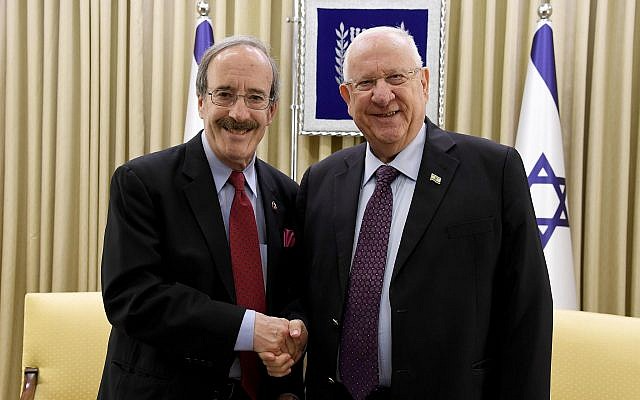
Early in his career, Engel stated that Jerusalem should be recognized as the undivided capital of Israel—a position that contradicted the official U.S. line until Donald Trump’s decision in 2019. He was among the authors of a tough resolution against Hamas’s rocket attacks on Israeli cities. At the same time, he was also a critic of some of the Israeli government’s actions, warning that they were harming Israel itself.
- Kosovo, the Balkans, and Cyprus.
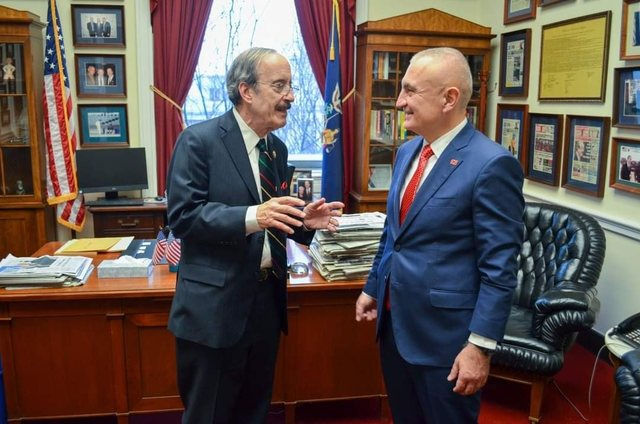
Engel’s role in supporting ethnic Albanians was particularly notable. In Washington, he was considered one of the main advocates for Kosovo’s independence. During the 1999 war, he spoke out loudly against ethnic cleansing, and in 2008, he supported Kosovo’s declaration of independence. A street in the city of Peja was even named in Engel’s honor, and he became the first foreign dignitary to address the Kosovo parliament. In Cyprus, his voice was just as loud. Engel pushed for the withdrawal of Turkish troops and demanded an investigation into the disappearances of Americans during the Turkish invasion. For his consistent stance, he received the George Paraskevaides Award.
- Latin America.
As chairman of the Subcommittee on the Western Hemisphere, Engel focused on Latin America and the Caribbean. He helped Haiti, pushing for increased funding for the country and supporting the provision of Temporary Protected Status for Haitians in the U.S. Engel also actively promoted the Mérida Initiative, which aimed to unite the U.S., Mexico, Central America, and the Caribbean in the fight against drug cartels.
- Iraq.
In 2002, Engel, like most of Congress, supported granting President Bush the authority to use force against Iraq. After the revelation of flawed intelligence and the chaos that followed the ousting of Saddam Hussein, he admitted this decision was a mistake. He later consistently voted for the gradual withdrawal of troops and the closure of the Guantanamo Bay prison.
Human rights was a recurring theme throughout Eliot Engel’s politics. He condemned the Taliban for discriminating against Hindus, supported the protests in Hong Kong, called for China to be punished for its persecution of Uyghurs, and spoke out against the persecution of the Rohingya in Myanmar.
Eliot Engel’s political career, like that of many experienced congressmen, was often met with both criticism and praise. But he undoubtedly made a significant contribution to the political life of New York and the United States as a whole.