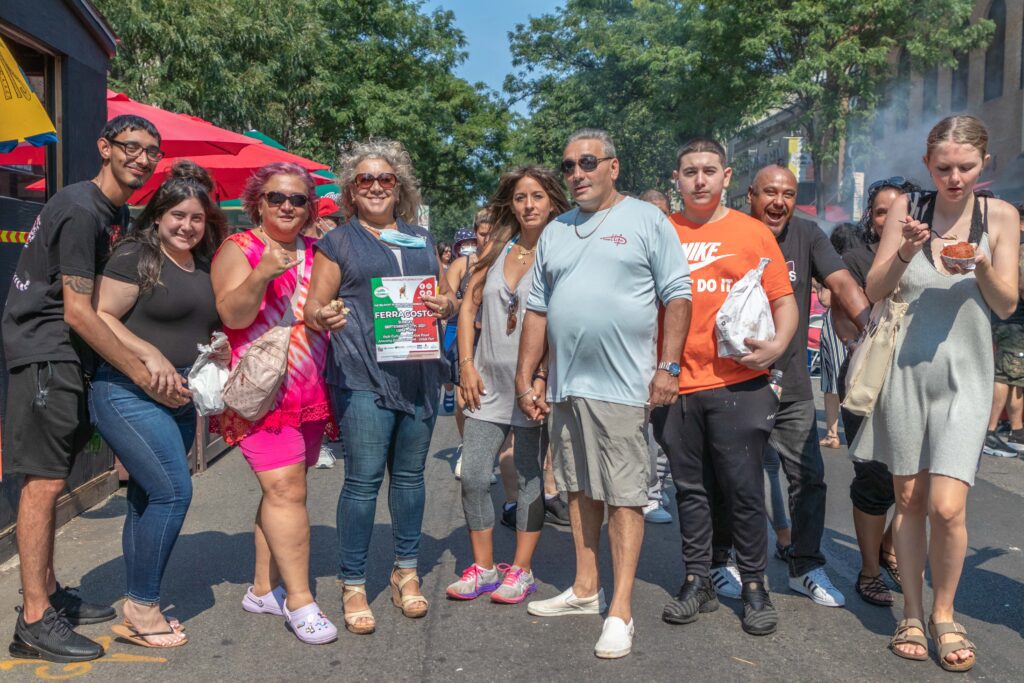

Italians in New York are as numerous as Jewish, Irish, or Russian communities. Yet, many don’t realize that Italians live not only in Manhattan but also in the Bronx. In fact, at the intersection of Arthur Avenue and East 187th Street lies another area affectionately called Little Italy. Enthusiasts of Italian cuisine argue that this is the best place to find exceptional bread, pasta, meat, and pastries. However, many New Yorkers remain unaware of its existence or see it as a distant part of the city. In truth, this neighborhood is home to a small but vibrant Italian-American community that has been celebrating various historically significant events for over a century. Let’s explore the Italian neighborhood in the Bronx and its traditions of Ferragosto and Giglio celebrations. Next on bronx-yes.
Belmont: The Bronx’s Little Italy and Arthur Avenue
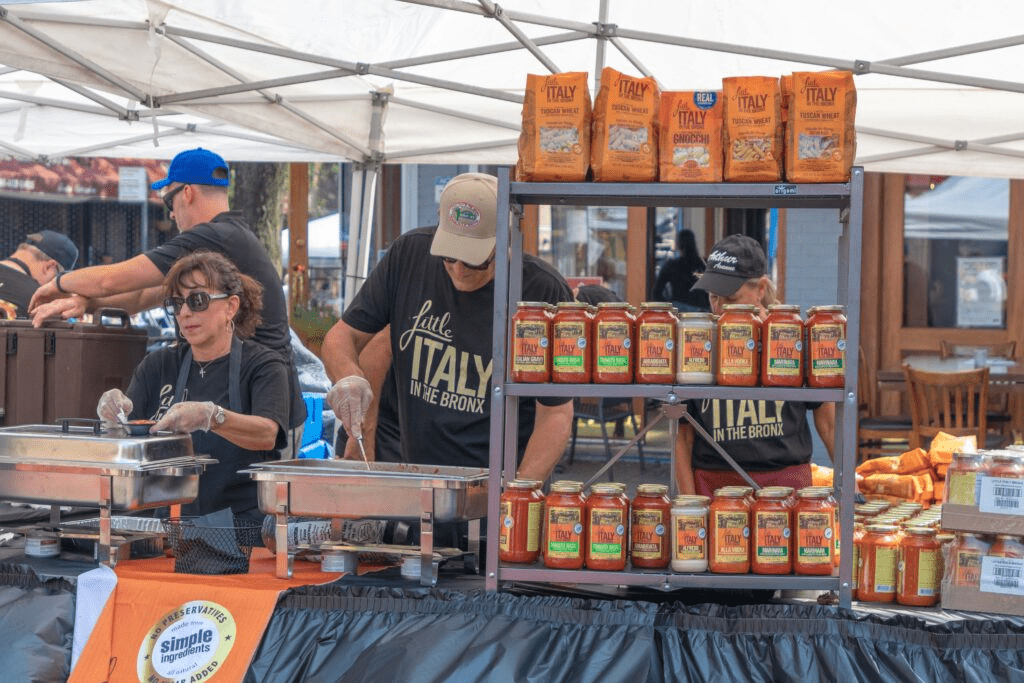
According to bronxlittleitaly.com, the neighborhood is often referred to by different names: Belmont, the Belmont section of the Bronx, Little Italy, or Arthur Avenue. This vibrant area boasts numerous establishments offering high-quality goods and services. It is a flourishing business district with world-class restaurants, antique shops, artisanal crafts, and specialty stores catering to the most discerning tastes. Visitors can find local and imported handmade products that are rare to find elsewhere.
Tourists, celebrities, and visitors from across the globe frequently visit the area. Many come to experience the authentic traditions and expertise that Italian families have cultivated for generations. Every year, thousands of local, regional, and international visitors flock here, making it one of New York City’s liveliest neighborhoods.
Famous personalities often visit Arthur Avenue, enjoying its tranquil atmosphere free from paparazzi. Iconic figures such as Frank Sinatra, Clint Eastwood, Adam Sandler, Neil Patrick Harris, and David Burtka are said to have been frequent visitors to this part of the Bronx.
The History of Belmont
While Belmont is a bustling modern neighborhood, its history dates back to the 18th century. In 1760, French immigrant Pierre Abraham Lorillard settled in New York and established P. Lorillard & Co., a tobacco company still in operation today. The company initially produced snuff, a smokeless tobacco product. Lorillard purchased land in Lower Manhattan and later along the Bronx River, where he built a large estate known as “Belle Mont.”
By the 19th century, the family moved tobacco production to New Jersey. Pierre Lorillard’s great-granddaughter, Catharine Lorillard Wolfe, divided the expansive estate into streets, avenues, and lanes. Some buildings were converted into the St. Barnabas Hospital and Medical Center. The main street was named after the 21st U.S. President, Chester Alan Arthur—Arthur Avenue. Other parts of the estate became the Bronx Zoo and the New York Botanical Garden.
In the late 19th century, the estate was transformed into a bustling residential and commercial area, coinciding with the Bronx’s incorporation into New York City. Around the same time, waves of Italian immigrants arrived, fleeing poverty and lack of opportunity in Italy. Many settled in Belmont, creating what became known as Little Italy in the Bronx. By the early 20th century, tens of thousands of immigrants from Italy and other countries had made Belmont their home.
The History of Ferragosto
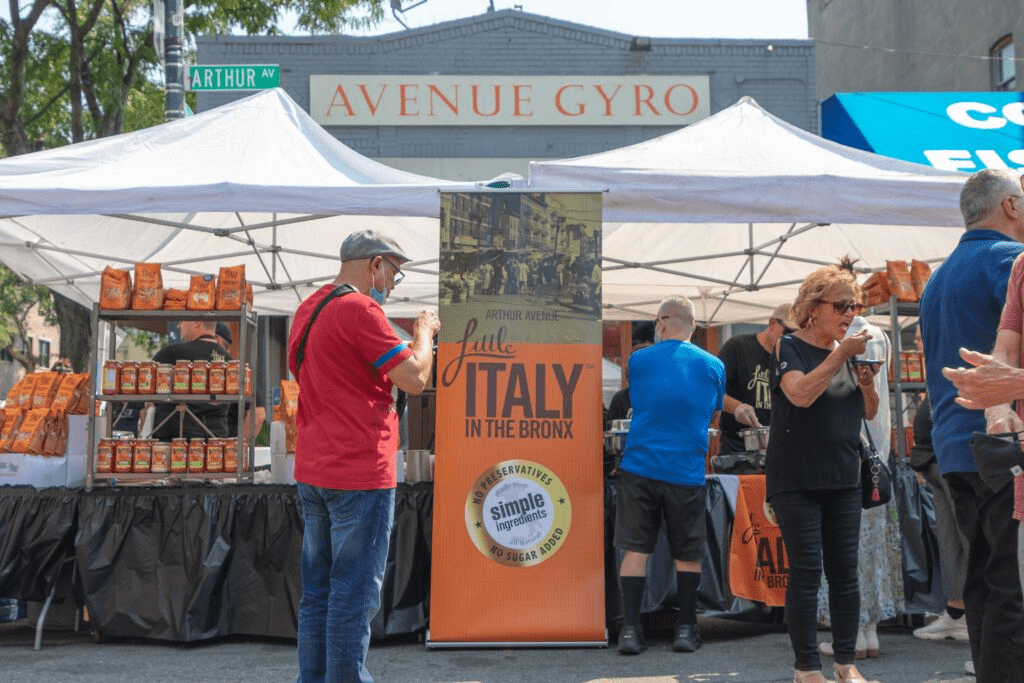
Italian immigrants brought their rich culture, traditions, and festivals to America, including Ferragosto. This is one of the most beloved and widely celebrated holidays in Italy, observed on August 15 for over a thousand years. On this day, Italian businesses close, and families head to the countryside, mountains, lakes, or beaches to relax and escape the summer heat.
The origins of Ferragosto date back to 18 BCE when Emperor Augustus declared an annual festival in his honor during August. Ancient Romans celebrated with feasting, wine, and merriment. Pagan rituals honored deities like Diana, the goddess of the hunt, motherhood, and fertility, Vertumnus, the god of seasons and plant growth, and Ops, the goddess of harvests.
After Italy’s conversion to Christianity, the holiday became associated with the Assumption of the Virgin Mary into heaven. The Catholic Church taught that Mary completed her earthly life and ascended to heaven. This belief was reaffirmed in the 20th century by Pope Pius XII in his apostolic constitution Munificentissimus Deus. During Ferragosto, Italian Christians pray to the Virgin Mary and seek blessings for a bountiful harvest.
Today, Ferragosto remains a cherished holiday for Italians in the Bronx. They embrace its historical roots and enjoy time in nature, away from the city’s heat. The festival’s religious significance aligns seamlessly with its ancient origins, providing the perfect opportunity to relax and celebrate.
The History of Giglio
In addition to Ferragosto, Italians in the Bronx also brought the ancient tradition of Giglio. This festival, with roots dating back to 410 CE, is steeped in history and legend. Its origins revolve around Bishop San Paolino of Nola, a wealthy Italian-born Roman citizen who sacrificed everything for his community.
After the tragic death of his infant son, San Paolino gave away much of his wealth, dedicating his life to the Church in Nola. When pirates attacked the town and took young men captive, he offered himself in exchange for a widow’s son. Though initially rejected, his selflessness reached the ears of a sultan, who intervened and secured the release of the captives.
Upon his death, the people of Nola honored San Paolino by laying lilies (gigli in Italian) at the church altar. Lilies, symbols of purity and love, eventually became part of elaborate processions and parades. Today, towering structures adorned with lilies, standing over 100 feet tall and weighing up to 8,000 pounds, are paraded through the streets by teams of 200 men.
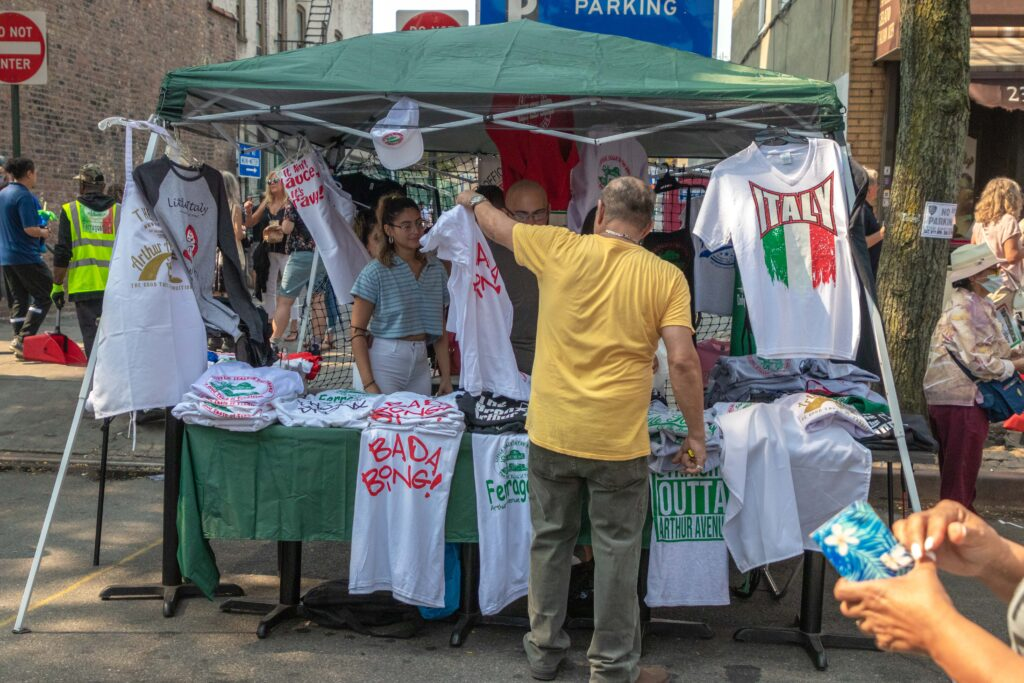
The Giglio Festival is celebrated in Italy and Italian-American communities in Brooklyn, the Bronx, and Harlem. In Belmont, it is hosted annually at Our Lady of Mount Carmel Church, drawing crowds and preserving this cherished tradition.
Conclusion
The vibrant Italian-American community in Belmont continues to honor its heritage through the celebrations of Ferragosto and Giglio. These festivals are more than just cultural events—they are living links to centuries of Italian history and tradition. Whether through solemn prayer or festive parades, these traditions bring people together, keeping the spirit of Italy alive in the heart of the Bronx.