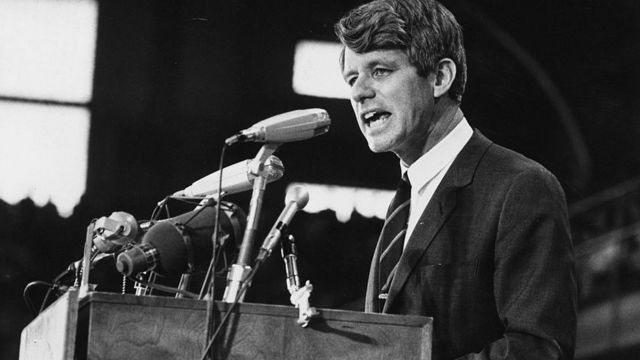

History is shaped by individuals whose influence becomes decisive in critical moments. Charles A. Buckley was a Democratic politician from the Bronx for 30 years. His influence in the U.S. House of Representatives and New York politics was so significant that he occasionally abused his power. In 1964, a coalition of prominent political figures, including New York City Mayor Robert F. Wagner Jr., Jonathan Brewster Bingham (a diplomat and politician representing the Bronx in the U.S. House from 1965 to 1983), and Robert F. Kennedy—former U.S. Attorney General, Senator, and brother of President John F. Kennedy—banded together to challenge Buckley. The publication bronx-yes provides more insight into Buckley and Robert Kennedy’s impact on Bronx elections.
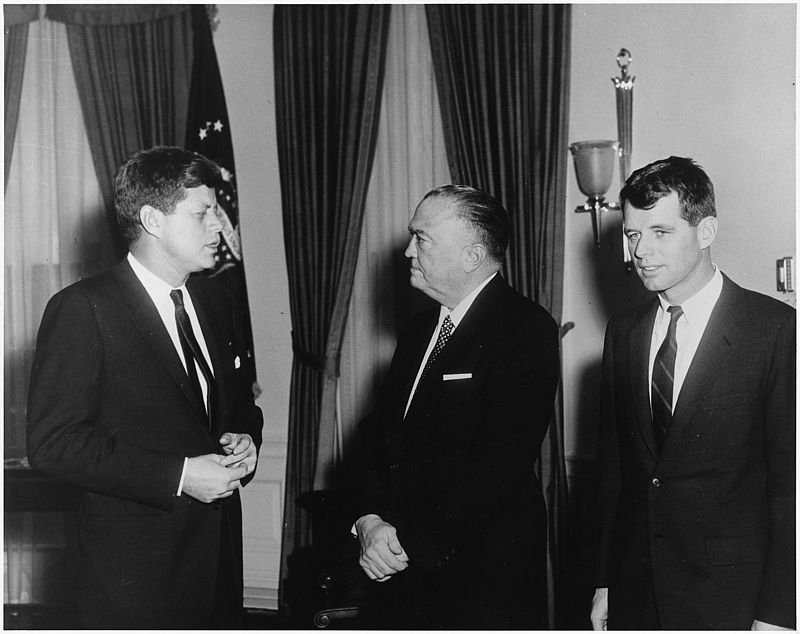
Robert Kennedy: U.S. Attorney General, Senator, and Brother of the U.S. President
According to nytimes.com, much has been written and said about Robert Kennedy, as well as his brother, John F. Kennedy. Born on November 20, 1925, Robert attended Harvard and the University of Virginia School of Law. After World War II, he became a key supporter of his brother’s political career. In 1952, Robert managed John’s Senate campaign, and in 1960, his presidential campaign, helping secure both victories. Later, John appointed Robert as U.S. Attorney General. In 1961, Robert played a significant role in resolving the Cuban Missile Crisis and advancing civil rights in America.
John Kennedy’s assassination in 1963 prompted Robert to resign after nine months under President Lyndon B. Johnson. This tragedy transformed Robert’s political and moral outlook, leading him to advocate for liberal values centered on compassion, morality, and societal reform. He also became vocal about issues like peace, health, poverty, and education.
Kennedy vs. Buckley’s System
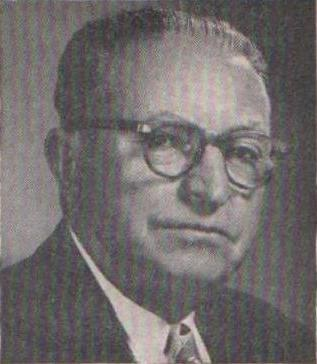
In preparation for the New York Senate elections, Robert Kennedy openly criticized his long-time ally, Charles A. Buckley. Buckley, a Democrat, had represented the Bronx in the House of Representatives for decades and aimed to continue.
As a Democratic Senate candidate, Kennedy supported direct elections for party leadership in the Bronx. This reform extended to the Republican Party, where similar indirect leadership selection processes existed. In the Bronx, Democratic voters in 1,000 precincts elected district committee members, who, in turn, selected the borough’s representative. Critics of Buckley argued that he undermined this democratic process by barring some committee leaders from seeking election and thus consolidating his power.
Kennedy’s supporters believed that allowing voters to directly elect district leaders would dismantle Buckley’s hold on power. This sentiment gained traction, especially after Buckley narrowly defeated David Levy in the 1962 Democratic primaries by only 2,940 votes out of 37,000.
Politicians’ Views on Kennedy’s Initiative
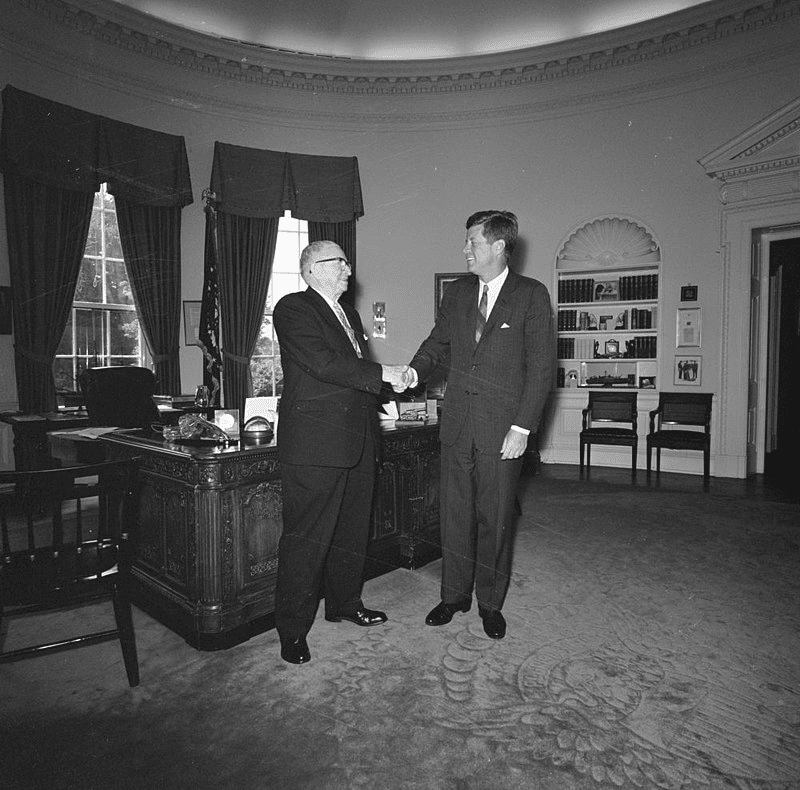
In 1964, Buckley’s opponent, Jonathan B. Bingham—a diplomat and politician—praised Kennedy’s proposal, calling him “a sincere and modern liberal.” Bingham believed swift reform of Bronx electoral processes would enable direct selection of leaders, revitalizing and unifying the party.
James H. Scheuer, a reformer running in the Bronx’s 21st District, also endorsed Kennedy’s plan, deeming it essential to end Buckley’s abuses. Support came from Arnold L. Fein, chairman of the Democratic Voters’ Committee, and Richard A. Brown, head of the Executive Committee. Both viewed Kennedy as a progressive force in New York’s Democratic Party. New York City Mayor Wagner applauded Kennedy’s efforts and supported the principle of direct district leader elections. Senator Keating succinctly stated, “I believe it’s desirable.”
Kennedy and the Statewide Campaign
In October 1963, Kennedy announced that he would not endorse any specific candidates during the elections but sought to make the Democratic Party more accountable to its members. On October 21, 1964, Buckley called Kennedy, attempting to dissuade him from advocating for electoral reforms in the Bronx. Kennedy refused, asserting his independence. Buckley later claimed he wasn’t angered by Kennedy’s stance, acknowledging his right to his opinions and suggesting similar reforms for Republicans.
On October 21, Kennedy toured cities across New York, including Mohawk Valley, Rochester suburbs, and Buffalo, where he was greeted by enthusiastic crowds. In his speeches, he criticized Governor Rockefeller’s administration for failing to meet the state’s educational needs.
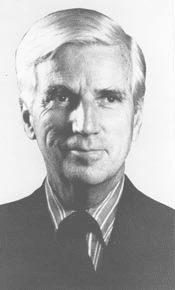
The 1964 Elections and Buckley’s Defeat
The 1964 elections marked the end of Charles A. Buckley’s long political career. His dominance in the Bronx, facilitated by the outdated electoral system, allowed him to allocate federal funds and secure jobs for his supporters. However, opposition from Robert F. Wagner Jr., Jonathan B. Bingham, and Robert Kennedy led to a heated contest.
Buckley accused Bingham of anti-Semitism, while Bingham retaliated with allegations that Buckley received free contractor services for his Rockland County home. Ultimately, Bingham won by a margin of 4,000 votes. Although Buckley retained his role as Chairman of the Bronx Democratic Party, his plans to replace 22nd District Representative Jacob H. Gilbert and run in his place were thwarted. Lacking party support, Buckley retired. He passed away three years later from lung cancer at his Bronx home, surrounded by his family.
The 1964 Bronx elections became a turning point for Democratic voters and several political figures. Without Robert Kennedy’s intervention, the outcome might have been very different. What are your thoughts on elections? Should primaries or direct elections be the standard?