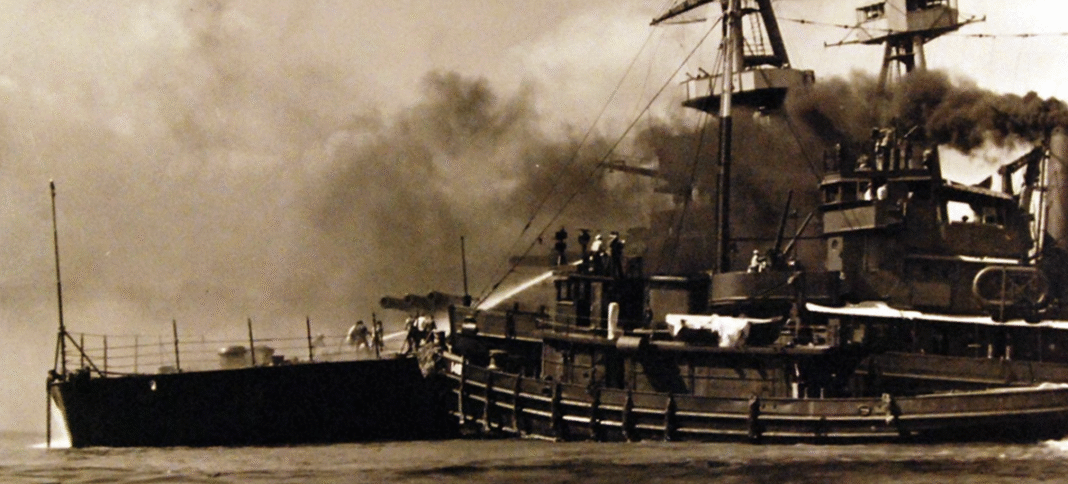

During the First and Second World Wars, New York City transformed into a colossal industrial powerhouse, even though today it is far better known for its skyscrapers, financial exchanges, and Broadway theaters. In times of profound historical upheaval, the city’s factories, shipyards, workshops, and docks became vital parts of a massive apparatus supplying the U.S. military and its allies with everything they needed.
The most famous symbol of that era remains the Brooklyn Navy Yard, where at the height of World War II, roughly 70,000 workers labored around the clock building and repairing warships. Yet New York’s wartime industry was by no means confined to Brooklyn or Manhattan. The Bronx played its own strategic role. Well before World War I, a robust industrial belt of factories and workshops had emerged here, supported by an extensive network of rail lines and navigable waterways. By 1927, the Bronx boasted approximately 2,700 enterprises employing over 100,000 workers—a manufacturing base that would later prove crucial for fulfilling massive military contracts.
The Bronx also possessed its own shipbuilding capabilities: the facility in Morris Heights that later became the Consolidated Shipbuilding Corporation built minesweepers and patrol craft for the U.S. Navy during World War I.
Global conflict forced local manufacturers to rapidly retool: instead of civilian goods, they began turning out supplies for the army, navy, and the broader allied war machine. To explore more about the origins and evolution of the borough’s industrial heritage, visit bronx-yes.com.
The Bronx and Industrial New York on the Eve of World War I
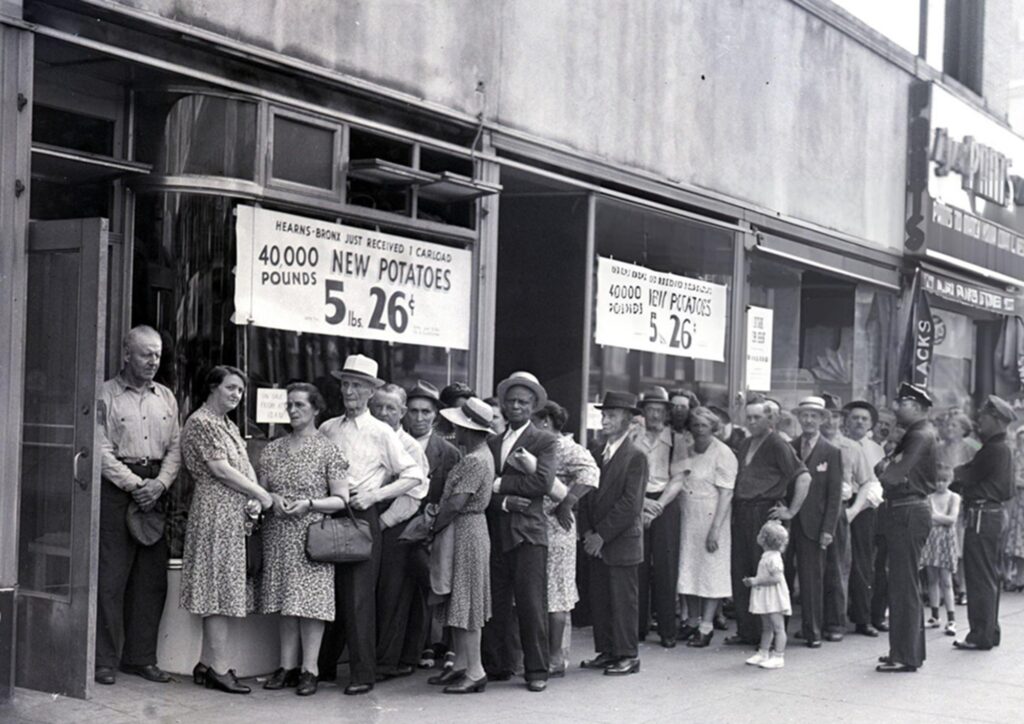
By the early 20th century, the Bronx had firmly shed its reputation as a semi-rural outpost beyond Manhattan. The borough’s industrial heart beat in the south—primarily in Mott Haven and Port Morris. An advantageous geographical location, sprawling New York Central railroad tracks, new paved highways, and direct access to water routes made the borough a magnet for investment. Textile mills, metalworking shops, and renowned piano manufacturing plants (at the time, the Bronx produced a significant share of all American pianos) became defining fixtures of the local landscape.
This formidable industrial base became a decisive asset when the United States entered World War I in 1917. The wartime economy functioned like a precision clockwork mechanism. Mobilization did not mean that every single factory in the Bronx suddenly switched to producing artillery shells. Instead, some businesses took on direct defense contracts, others supplied raw materials and components, and still others handled packaging, logistics, and equipment maintenance.
The borough’s industry was deeply integrated into New York City’s broader economy, which swiftly mobilized on a nationwide scale. Leveraging its vast workforce and transport flexibility, the Bronx rapidly redirected its capacity to meet frontline needs. After 1918, this well-oiled machinery remained in place. Interwar development only fortified the borough’s manufacturing backbone. Consequently, two decades later, when another global conflict erupted, the Bronx already had the infrastructure ready for an even greater industrial mobilization.
World War II in the Bronx: Turning Civilian Factories into War Plants
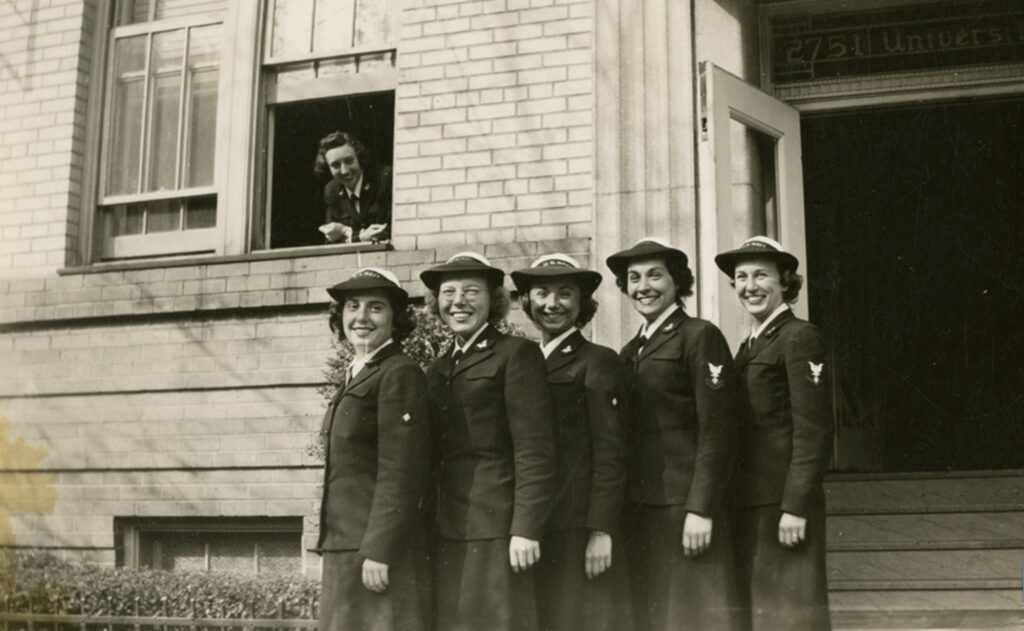
World War II demanded an unprecedented industrial effort, dwarfing the challenges of the previous global war. Following America’s entry into the conflict in December 1941, the nation quickly shifted to a total war footing. According to the U.S. National Park Service, this colossal mobilization generated approximately 17 million new jobs across the country.
The Bronx immediately integrated into this nationwide production pipeline. The borough’s strength lay not in mega-factories like Detroit’s aviation plants, but in an extraordinarily dense cluster of small and mid-sized enterprises. This agile industrial network adapted to government contracts in a matter of months. For instance, the Consolidated Shipbuilding Corporation along the Harlem River transitioned to round-the-clock construction of naval patrol craft, minesweepers, and support vessels.
Defense orders transformed local commerce. Even facilities that had never manufactured weapons became indispensable links in the supply chain. The military required vast quantities of metals, wiring, uniform fabrics, crates, and specialized tools. Textile shops in the South Bronx that previously tailored civilian garments pivoted to mass-producing military uniforms, canvas tents, and parachute cords.
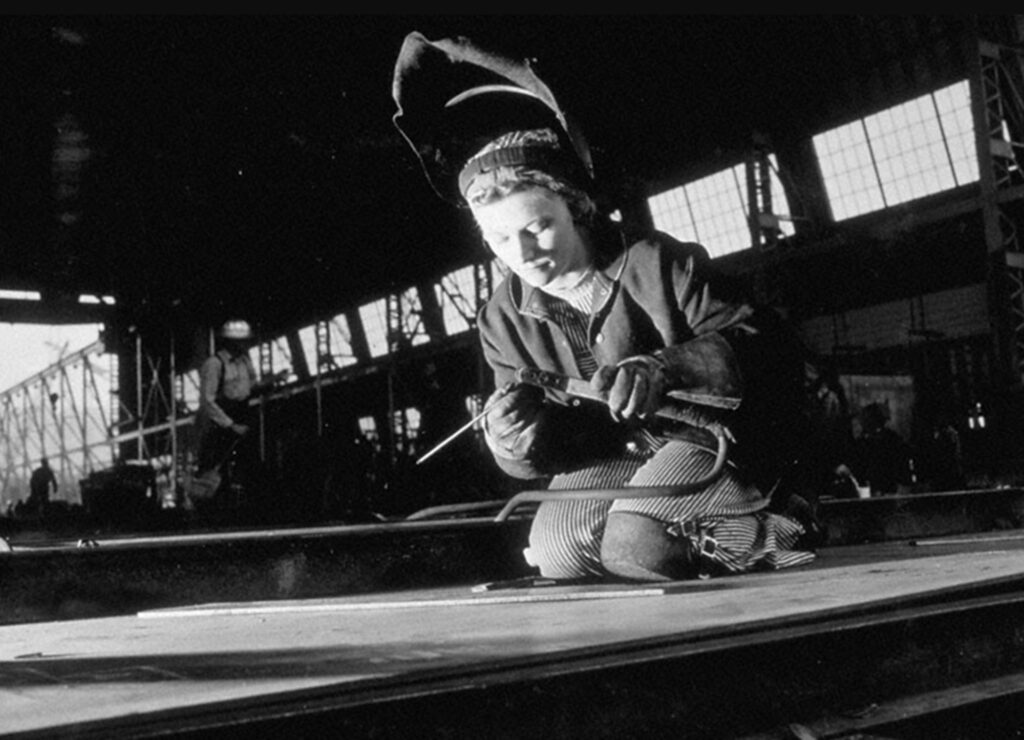
The local labor market experienced a profound shift as well. As thousands of men from the Bronx enlisted or were drafted, women stepped up to take their places on the factory floor. Thousands of female residents quickly mastered complex mechanical trades, keeping the borough’s vital industrial engine humming.
Workforce, Transport, and the Industrial Home Front of the Bronx
The war altered not just factory output, but the daily rhythm of life throughout the borough. Keeping defense production running smoothly depended heavily on logistics—specifically, steady raw material deliveries and fast outbound shipments. The Bronx held major geographic advantages: a dense rail network anchored by the Oak Point Yard freight hub, modern arterial roadways, and direct access to both the Harlem River and the East River.
In this framework, the industrial Bronx served as an essential hub in the global logistics network. Raw materials arrived continuously from across the country, underwent processing or final assembly in local shops, and were promptly dispatched to Manhattan embarkation ports, Brooklyn warehouses, or coastal shipyards. This is why the story of the borough’s wartime mobilization cannot be captured by looking for a single flagship facility.
Such a view oversimplifies the reality. The true story of the home front was less cinematic but far more impressive: hundreds of small and medium-sized shops across Mott Haven, Port Morris, and neighboring industrial corridors handled thousands of specialized tasks every day, collectively powering the U.S. military-industrial machine.
Ultimately, the wartime chronicle of the Bronx is not merely about machinery and assembly lines. It is, above all, the story of thousands of everyday workers whose dedication drove this massive industrial achievement.
The Bronx as an Integral Part of Wartime New York
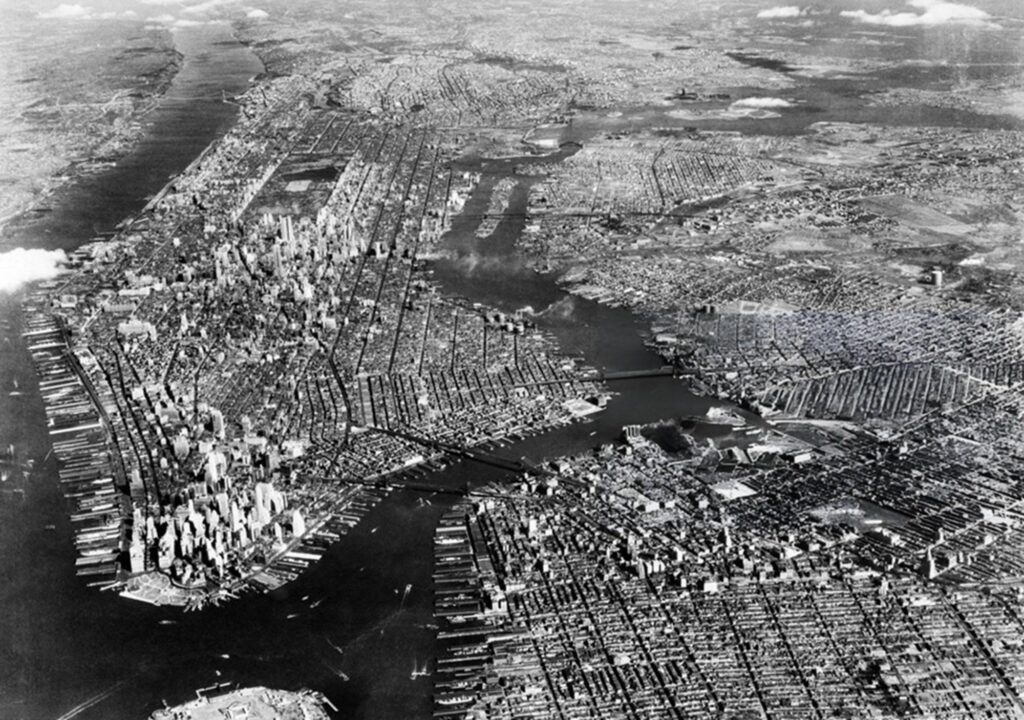
The Bronx never claimed the title of New York’s primary naval arsenal, nor did it compete with the sprawling Brooklyn Navy Yard in building heavy capital warships. Its strategic value lay elsewhere.
A resilient manufacturing foundation, established long before the world wars, allowed the borough to serve as a versatile, dependable pillar of the U.S. war economy. The great conflicts of the 20th century demonstrated a clear truth: the front line does not begin on the battlefield alone. It starts on the factory floor, along the rail tracks, in neighborhood machine shops, and inside every plant producing components for a larger machine. The Bronx proved to be an indispensable part of New York’s industrial home front, working tirelessly to secure victory for the United States and its allies.