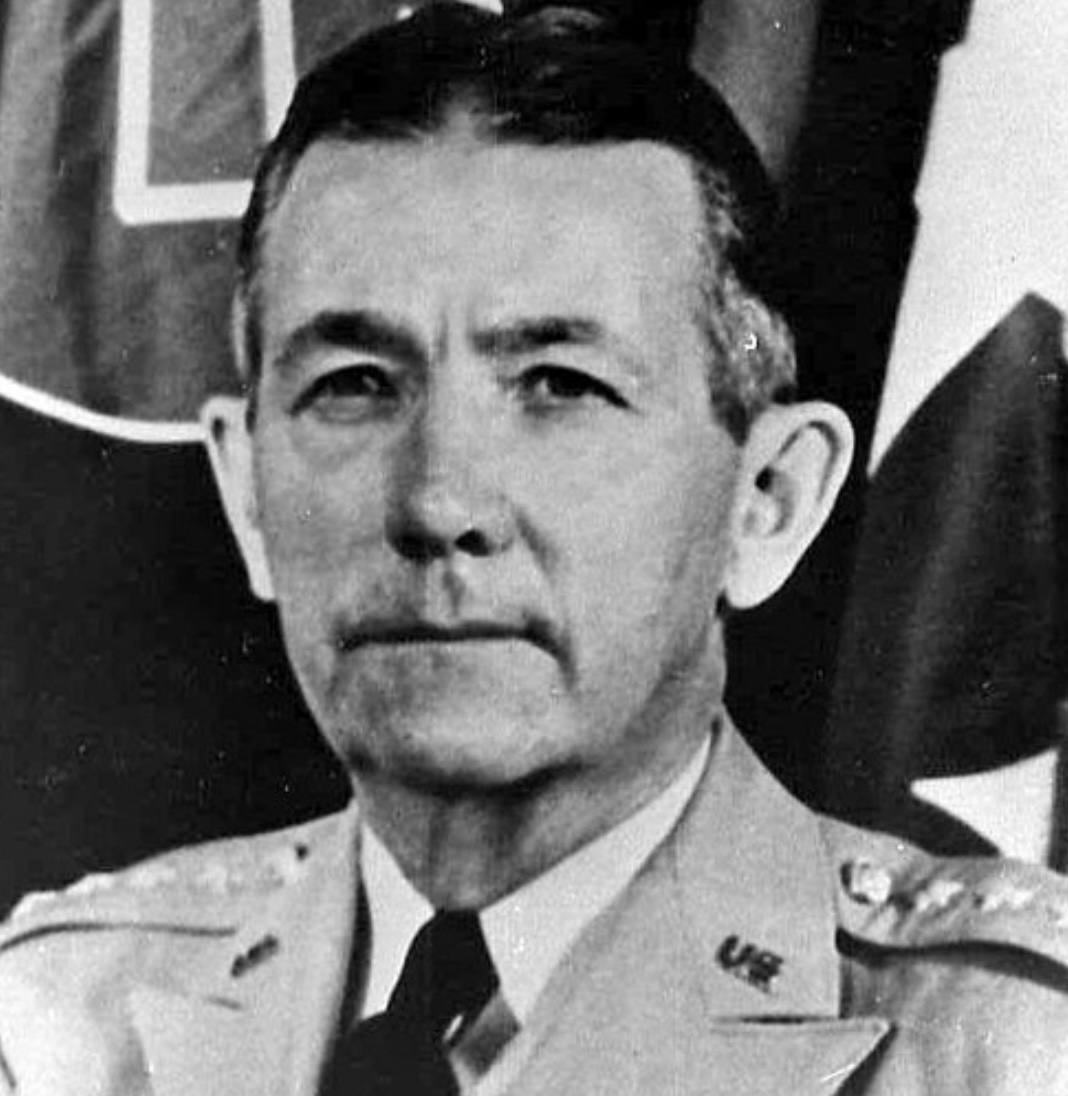

James Francis Collins’s career spanned 37 years. His military service covered periods of profound transformation in the U.S. Army, and he remained a key part of that evolution as a leader and strategist. After his active duty ended, his expertise was highly valued by public organizations, particularly the American Red Cross, which he led after his retirement. Read on for more details about the life and work of this distinguished military and public figure on bronx-yes.com.
Early Career
James Francis Collins was born on September 2, 1905, in the Van Nest neighborhood of the Bronx to Irish immigrants. From a young age, he stood out for his determination and self-discipline, which led him to one of the most prestigious educational institutions in the country—the U.S. Military Academy at West Point.
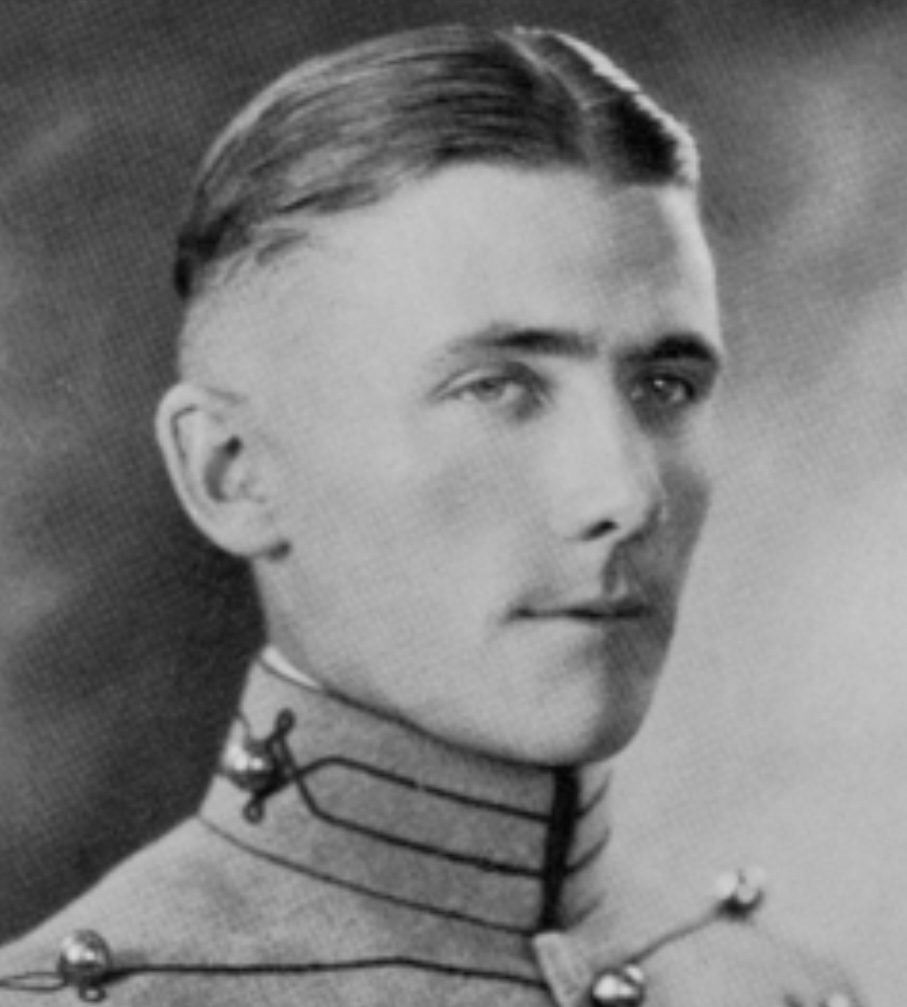
In 1927, Collins successfully graduated from the academy, receiving a commission as a second lieutenant in the Field Artillery. His service began during the peaceful period between the two World Wars, when the U.S. Army was undergoing reorganization. In the 1930s, he served in the Hawaiian Division, a crucial strategic unit responsible for defending American territories in the Pacific.
As World War II approached, Collins continued his military education, attending the National War College, where future generals were trained for leadership roles in large-scale conflicts. His experience, knowledge, and discipline became the foundation for his successful command during the war.
Military and Leadership Experience
During World War II, Collins served exclusively in the Pacific Theater, where American forces fought against the Japanese Empire in the extremely challenging conditions of jungles, islands, and amphibious operations. His command abilities and skills in organizing supplies and operations were critical to the Allies’ advance in the region. Working with the I Corps—a unit reactivated specifically for the war—Collins first served as an artillery executive officer and later as the deputy chief of staff. In 1945, he was promoted to brigadier general and appointed chief of staff of the I Corps. Under his leadership, U.S. and Australian troops successfully pushed the Japanese army out of New Guinea and later liberated the Philippines during the decisive Battle of Luzon.
After the end of the war, from 1945 to 1946, Collins commanded the I Corps artillery in the Philippines and Japan, helping to ensure stability in the region during the transition to peacetime.
In 1946, he was transferred to Washington, where senior officers were being trained for strategic command of the army during peacetime and the Cold War.
In 1950, Collins joined the faculty of the U.S. Army War College, where he shared his knowledge and experience with junior officers. His analytical skills and strategic thinking soon led to appointments in the highest structures of the defense establishment.
In the first half of the 1950s, Collins held a number of command positions: from 1954 to 1956, he was the commander of U.S. Army forces in Alaska, followed by commander of the 2nd Infantry Division from 1956 to 1957, and a brief stint as commander of the 71st Division. These appointments demonstrated the high trust placed in his command skills.
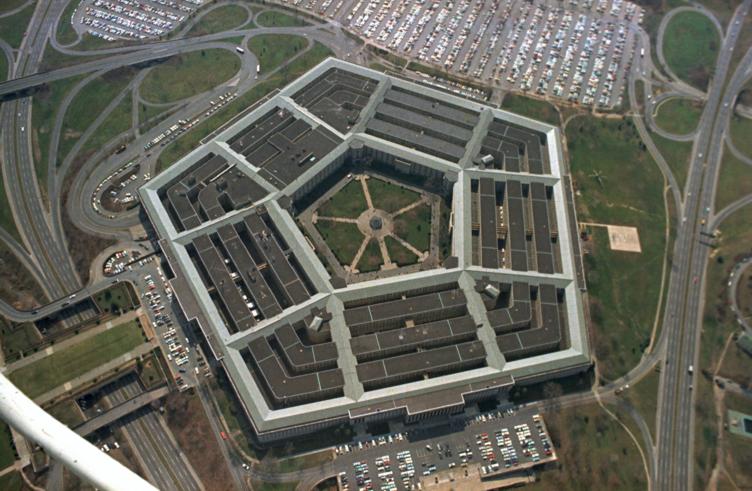
From 1958 to 1961, General Collins served at the Pentagon as the Deputy Chief of Staff of the U.S. Army for Personnel. His duties included strategic planning of personnel policy and managing human resources for the entire army. As part of this role, he was also the executive and special assistant to the Secretary of Defense for Human Resources—one of the key positions involved in shaping U.S. military capabilities during the Cold War.
The culmination of Collins’s military career came on April 1, 1961, when he was appointed Commander-in-Chief of the U.S. Army in the Pacific. On the same day, he received the highest military rank—general. This position required him to lead strategically vital forces in one of the world’s most volatile regions, especially in the context of the escalating war in Vietnam.
After nearly four decades of military service, General James Collins retired in March 1964, concluding a career that spanned two eras—from the interwar period to the early phase of the global superpower confrontation.
As President of the Red Cross
After his brilliant military career ended, General James Francis Collins did not retire to a quiet life; he transitioned to public service. In March 1964, he resigned as Commander-in-Chief of the U.S. Army in the Pacific, and just a month later, on April 1, 1964, he began a new chapter in his life, becoming President of the American Red Cross.
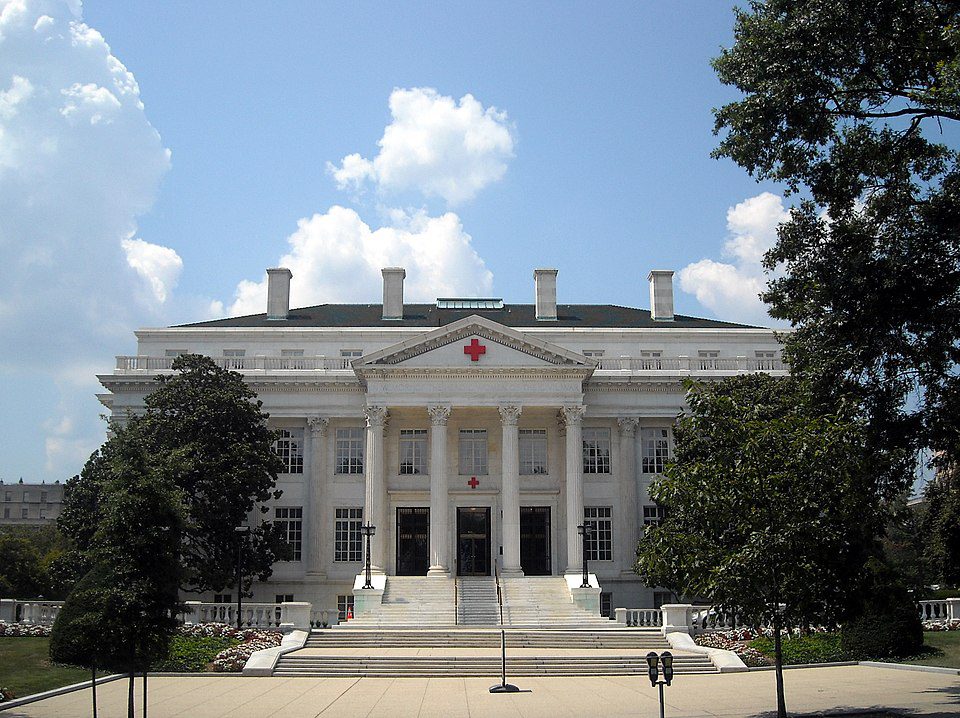
His nomination for the position was put forward by the chairman of the Red Cross Board of Governors, Roland Harriman—a well-known investment banker and the brother of Under Secretary of State Averell Harriman. The election took place at a closed meeting of the board and was officially announced after coordination with military authorities, in accordance with protocol. At the time, General Collins was 58 years old.
At the helm of the Red Cross, Collins succeeded General Alfred Gruenther, who, according to the organization’s internal regulations, had to retire upon reaching the age of 65. Collins became the third military leader to head the humanitarian organization. His predecessors included the legendary Army General George Marshall, who led the Red Cross from 1949 to 1950.
Leading the Red Cross for six years during the escalation of the Vietnam War, General Collins significantly expanded the organization’s activities, especially in providing aid to military personnel. Under his leadership, a large-scale service was established to support American soldiers on the front lines and in military hospitals around the world. He also initiated the modernization of the blood collection and supply program, making it more accessible to both civilians and the military.
On September 30, 1970, James Collins stepped down as President of the American Red Cross. His tenure left a significant mark on the organization’s history thanks to his pragmatic approach, strategic thinking, and understanding of the army’s needs during armed conflict.
In Conclusion
For his long and distinguished service to the United States, General James Francis Collins received numerous military and state honors. These include:
- the Distinguished Service Medal with a bronze oak leaf cluster—one of the highest military decorations for exceptional leadership;
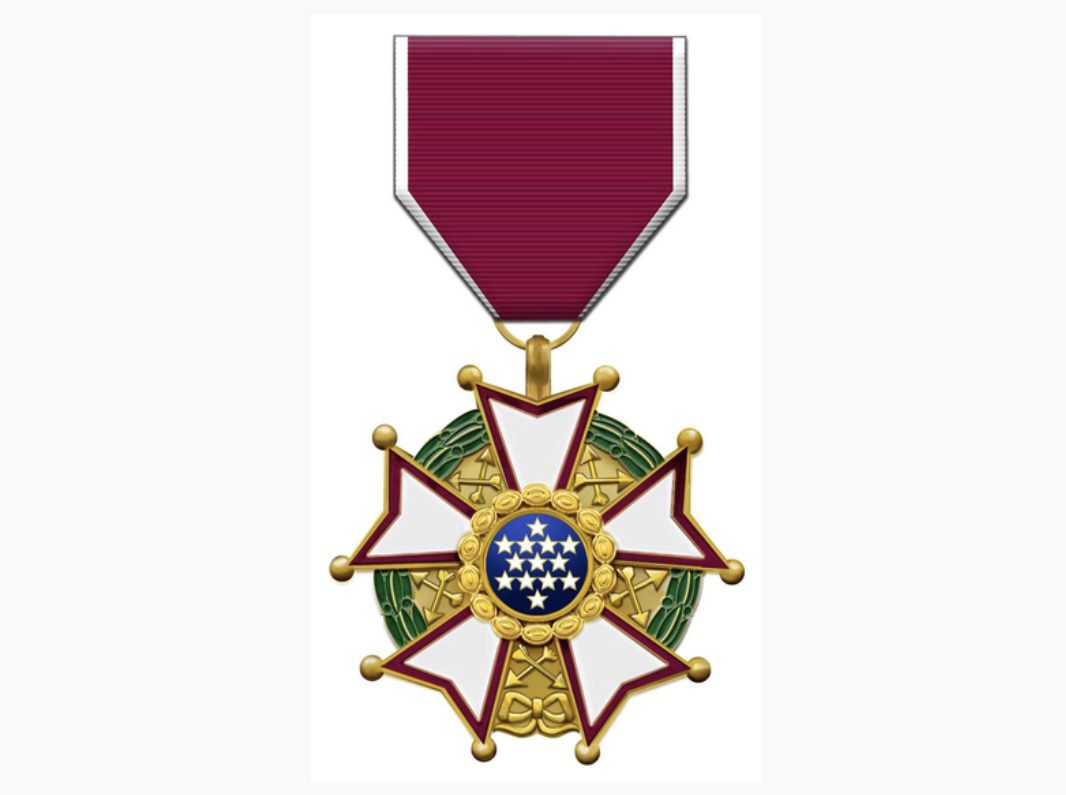
- the Legion of Merit—for exceptionally meritorious service in a position of high responsibility;
- the Bronze Star Medal—for bravery or meritorious service in a combat zone;
- the Air Medal—for achievement in aerial operations;
- the American Defense Service Medal with a bronze star;
- the American Campaign Medal—for service during World War II in the Western Hemisphere;
- the Asiatic-Pacific Campaign Medal with three bronze stars, indicating participation in three major campaigns;
- the World War II Victory Medal;
- the Army of Occupation Medal—for service in the post-war occupation forces;
- the National Defense Service Medal with a bronze star;
- the Philippine Liberation Ribbon—for participating in the liberation of the country from Japanese occupation;
- twice awarded the Philippine Presidential Unit Citation—for his contribution to the liberation and post-war stabilization of the region.
Outside of his military service, General Collins was also dedicated to his family. In 1932, he married Marian McLaughlin. They were together for over half a century until her death in 1986. After retiring from public life, the general lived in McLean, Virginia.
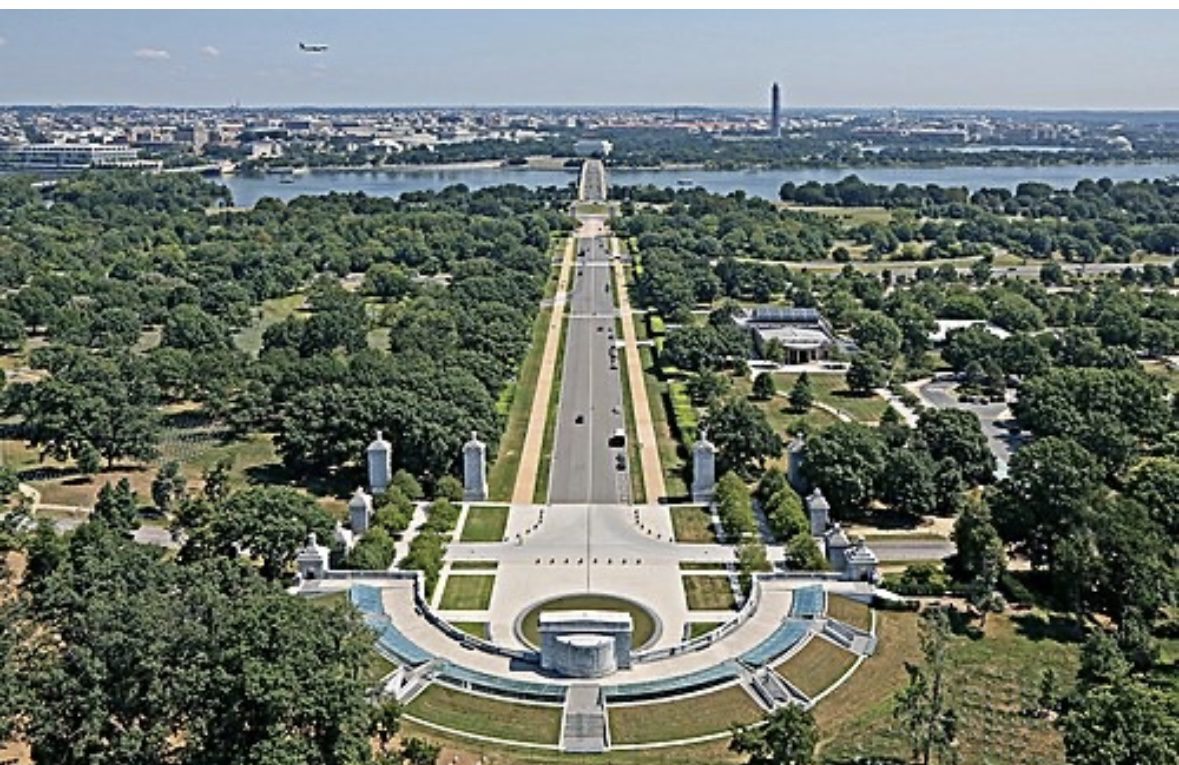
On January 22, 1989, James Francis Collins died at the age of 83 from prostate cancer at Walter Reed Army Medical Center—one of the country’s leading military hospitals. He was buried at Arlington National Cemetery in Virginia, the honorable final resting place for American service members. Collins was buried next to his wife, Marian. The general is survived by his daughter, Patricia Bowman, and two grandchildren. General Collins’s life is an example of deep dedication to his country, both on the battlefield and in peaceful service to others.