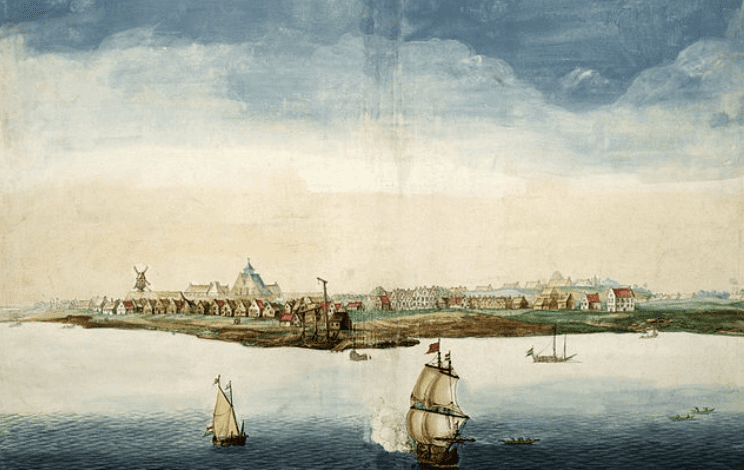

An interesting story is connected with the name of one of the boroughs of New York, the Bronx. It turns out that the original source was not a feature of the location on the map (like, for example, the East Village), not a former village (like Brooklyn was named after the village of Brooklyn) and not some prominent American (the capital, Washington, immediately comes to mind). The Bronx was named after a foreigner, an ordinary landowner, whose origin is still disputed. Some consider him a native Dutchman and others think that he was Swede. In this article, we will get acquainted with Jonas Bronck, after whom the Bronx was named. Read more on bronx-yes.
Early life and controversial origin
The exact date and place of birth of Jonas Bronck are unknown. Historians are inclined to believe that most likely it was 1600. The Bronck family was quite wealthy and owned land in southern Sweden.
Jonas grew up in abundance, love and a favorable social environment. However, the boy was always interested in long journeys. He adored stories about the discovery of new lands and dreamed of one day getting into an exciting adventure. As soon as Jonas grew up, he went to the Netherlands, where seafaring was actively developing at that time. He diligently began to learn all the skills and tricks of life on a ship and survival in foreign lands.
Historians still argue about the exact origin and nationality of Jonas Bronck. The official historian of the Bronx, Lloyd Ultan, claims that Bronck was a Swede. This theory is accepted as true by the Bronx County Historical Society and all city publications. Still, some experts believe that Jonas Bronck was a native of Denmark. There is also an assumption that Bronck was actually one of the Mennonites (a Christian Protestant movement that belongs to the Anabaptist community) and fled to Sweden due to religious persecution. There are also several archivists who believe that Jonas Bronck could also have been born in the Frisian Islands or in Germany.

In the early 1980s, historian G. V. Young conducted a comprehensive study, collecting historical references in the Netherlands, Sweden and New York. After a careful analysis of all the surviving documents, he leaned towards the most common theory about Bronck’s Swedish origin. The main thing is that it somehow happened that the name of one of the boroughs of New York was given after a man from another continent.
How did Bronck end up in America?
In 1624, according to the historical sources, Jonas Bronck finally made his first long-awaited trip to America, which at that time sailors called New Holland. Then, Jonas turned back. However, he continued to dream that the time would come and he would return to those lands to create a new life there. It happened so.
Nowadays, everyone knows that Holland is famous for its tulips. The title of the tulip capital of the world was preceded by a series of failures in the development of this business. The 1730s are known as the times of the collapse of tulip mania in Holland. Then, many local residents lost their savings and jobs. The government decided to resettle the Dutch, who were affected by the failed tulip project, to the territories that were controlled by the Dutch West India Company.
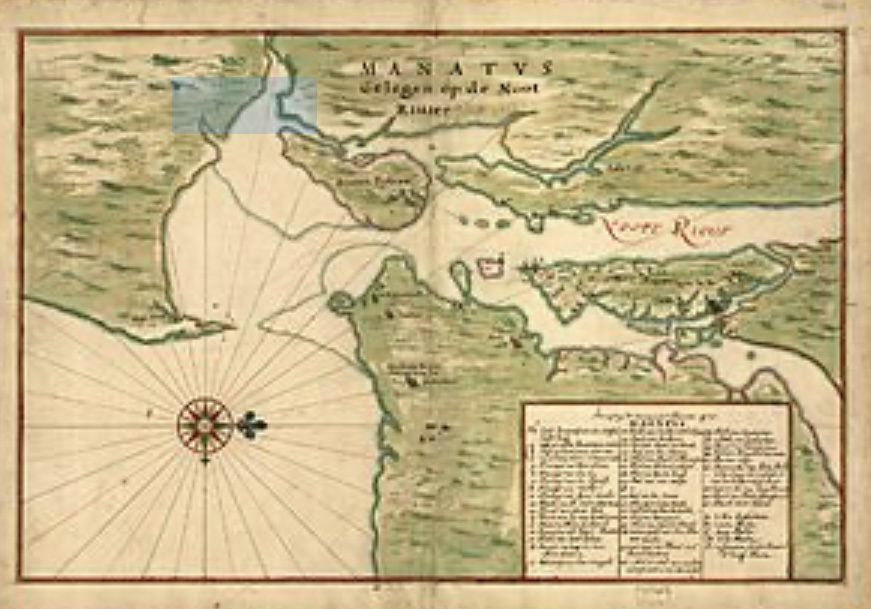
Previously, the colonists in those lands were mainly engaged in the sale of furs and competed with the English settlers. They significantly lost to them in the pace of development and expansion of the area of influence. This decision was planned both to support people who suffered from the bankruptcy of the flower business and to direct a new stream of settlers to establish an advantage over the English community.
The Dutch ships were entrusted to experienced sailors who knew the way to New Amsterdam. The captain of one of those ships was Jonas Bronck. In 1639, he set off together with his wife Teuntje and other equally ardent adventurers to fulfill his dream on a ship De Brandt van Troyen (Fire of Troy). His friend, Jochem Petersen Keiter, chose modern Manhattan for development, while Bronck selected the mainland.
Jonas is said to have written of his new home:
‘The invisible hand of the Almighty Father has certainly led me to this beautiful country, a land of unspoiled forests and boundless possibilities. It is a veritable paradise, needing the industrious hand of man to make it the best and most beautiful region in the whole world’.
Read an article about another sincere Bronx supporter.
Developing new lands
Jonas Bronck established a 600-acre (274 ha) homestead and worked diligently. He also brought livestock, all the necessary equipment and his large library on the ship, which testifies to Bronck’s high level of education. The library contained books in four languages, including the Bible, the works of Calvin, histories of the Reformation and medical works.
As soon as Jonas got a little more comfortable, he bought more land in what is now the Bronx. His goal was to create a powerful agrarian colony with active development of agriculture and animal husbandry, which would contribute to the progress of the region’s economy.
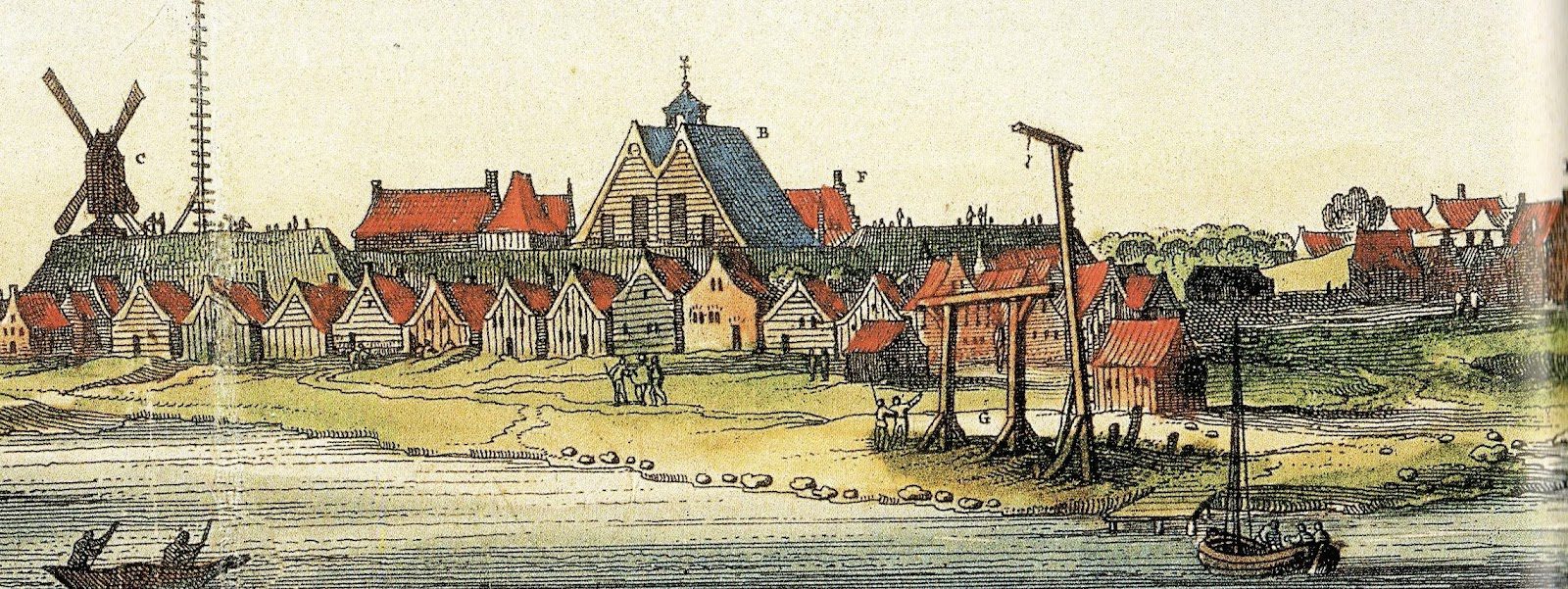
With each passing month, his small settlement grew into a full-fledged agricultural town. Bronck proved himself to be a smart and skilled manager, working hard and encouraging others to work.
Soon, Bronck’s and other settlers’ farms were located along the river from north to south, which was then called the Aquahung River.
The main occupation of the Dutch settlers was tobacco growing. They also actively developed agriculture and cattle breeding. At first, the Indians seemed to accept the arrival of the strangers quite well, a conditional peace was maintained between them and even some trade relations were established in the form of an exchange of various goods. However, it did not last long…
Conflict of interests
After 4 years of peaceful coexistence between the Dutch and the Indians, the situation escalated.
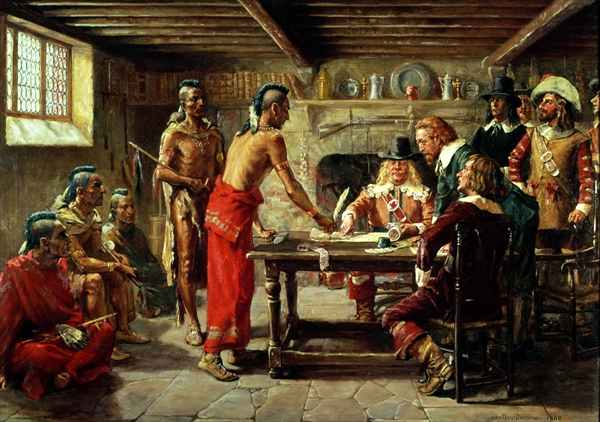
There were isolated attacks and murders by wild tribes. Bronck always sought to achieve understanding by peaceful means, such as agreements and the development of friendly relations. However, the official ruler of New Amsterdam, William Kieft, had a different opinion about the fight against the savage Indians. He was distinguished by special cruelty and radical decisions. In 1643, he ordered the destruction of the Indians in the area of Corlaers Hook (modern Jersey City). This was the beginning of open conflict and aggressive resistance from the Indians. The natives organized warlike raids on the settlements of foreigners, robbed and killed former friendly neighbours.
Jonas Bronck and most of his settlers became victims of this violence. They were killed during another Indian attack. After that, Kieft was removed from his post as governor of New Amsterdam, but it was too late. The Indians took cruel revenge on the Dutch for their treachery and meanness.
What happened after Bronck’s death?
Bronck’s wife and their son Pieter survived the Indian attack and escaped. Teuntje remarried Arent van Curler and moved to Coxsackie. Pieter Bronck, like his father, became a landowner. His house has survived to this day and is the oldest building in New York.
During his short life in America, Bronck acquired a small farm, a tobacco plantation and 25 domestic animals. All this passed into the hands of Dutch traders. In 1664, the farm was purchased by Samuel Edsall. In 1670, it passed to Captain Richard Morris, and then to Colonel Lewis Morris, who obtained a royal patent for this land. At that time, these lands were known as Morrisania. In 1697, they were given back their former name, Bronx, which has been preserved to this day.

Despite the fact that Jonas Bronck did not live in America for a long time, his desire to create a prosperous and successful region became a vector of development of these territories and an important stage in the history of New York.
Read another interesting story from the past of the Bronx here.