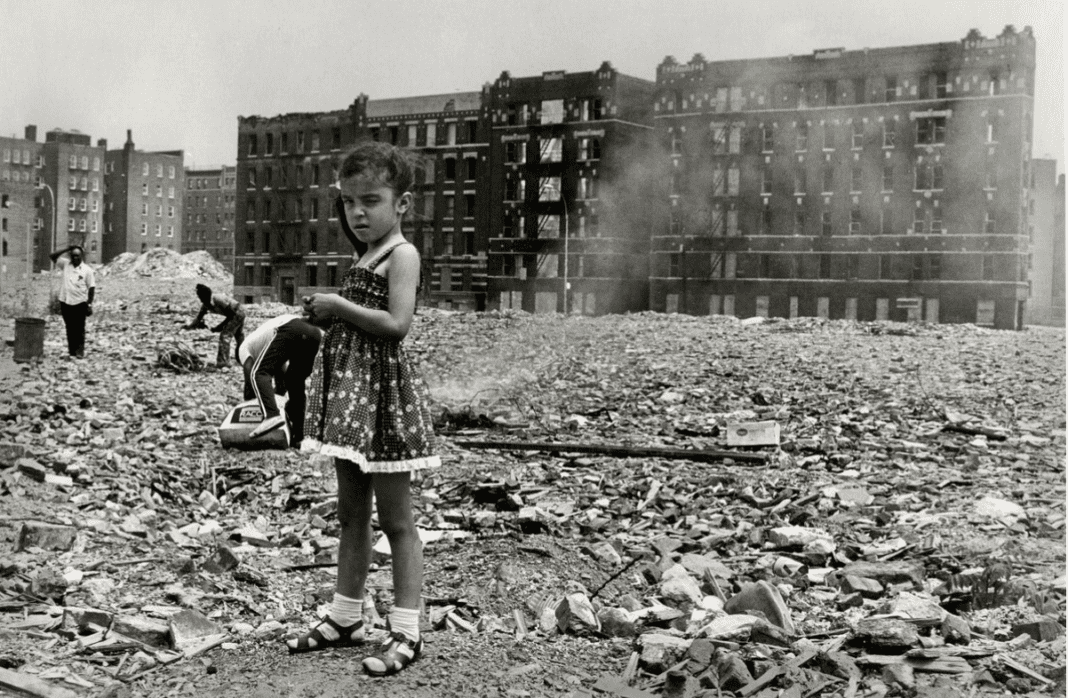

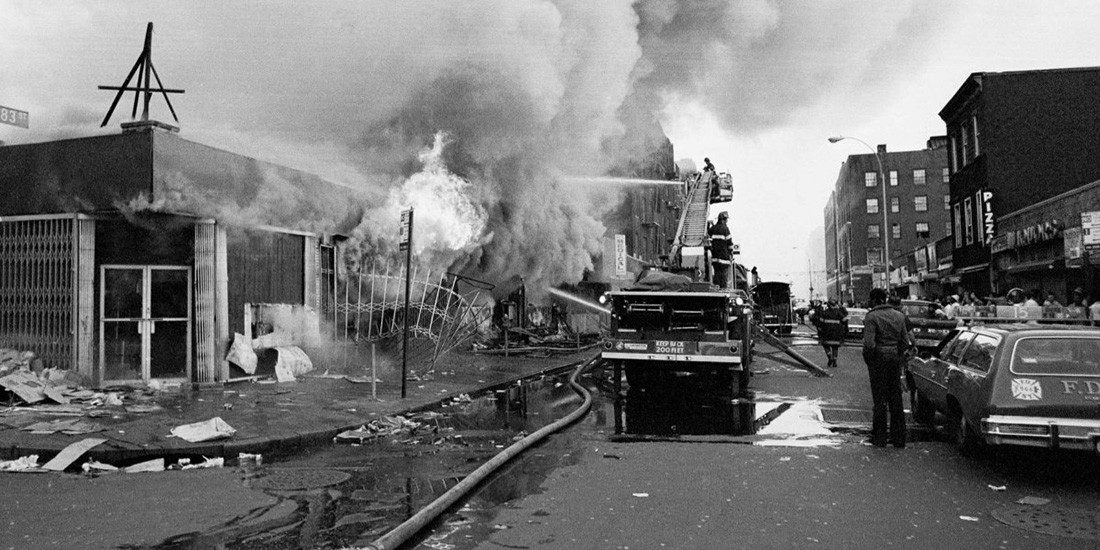
Residents of the South Bronx recall the 1970s with horror. The entire borough was gripped by a series of terrible fires. An astounding 80% of residential buildings were destroyed by the flames, leaving 250,000 people homeless. Back then, every newspaper wrote about the chaotic arson attacks by criminal gangs in the Bronx. No one, however, paid attention to the fact that insurance payouts had reached record levels, exceeding $10 million, a colossal sum at the time. In this article, we’ll reveal who truly benefited from burning down buildings in the Bronx: local criminals or the landlords who received massive payouts from insurance companies. We’ll also look at how it all began. Read more on bronx-yes.
What the South Bronx Was Like in the Second Half of the 20th Century
After the war, the South Bronx underwent significant demographic changes. The region was populated by African American, Irish, Puerto Rican, Jewish, and Italian immigrants. At the same time, the 1950s saw America actively implementing segregation policies. With the rise of hip-hop in the 70s, another critical flashpoint for conflicting interests emerged in the Bronx. The so-called “music wars” added even more discord and conflict to the community.
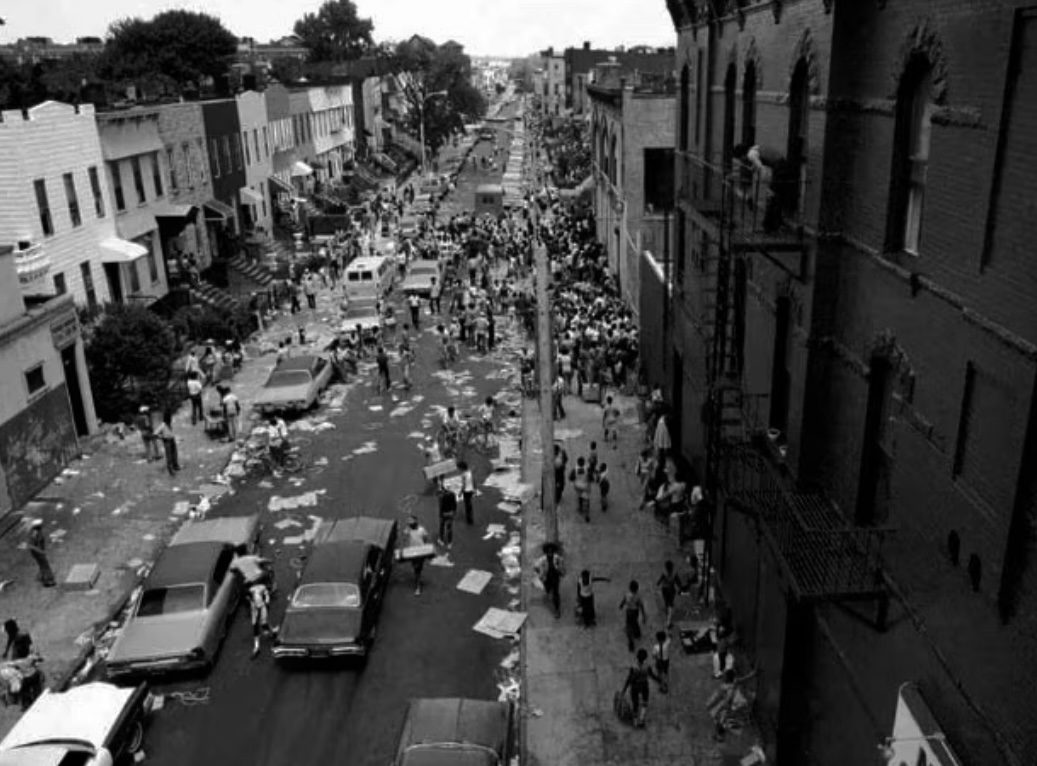
Read the article about the birth of hip-hop in the Bronx here.
The situation in the South Bronx completely deteriorated after a wave of former Manhattan slum residents poured into the area. The government had announced a major urban renewal program, which was supposed to replace all slums with quality housing for the middle class. But the hidden goal was to evict poor black people, who were mostly immigrants, and replace them with white people. About 100,000 homes were demolished. The government gave white people subsidies to return to the new housing complexes. The majority of the immigrants, however, were sent to the South Bronx. But there wasn’t enough housing there either. Clever landlords divided apartments into tiny spaces and rented them out to several families at once.
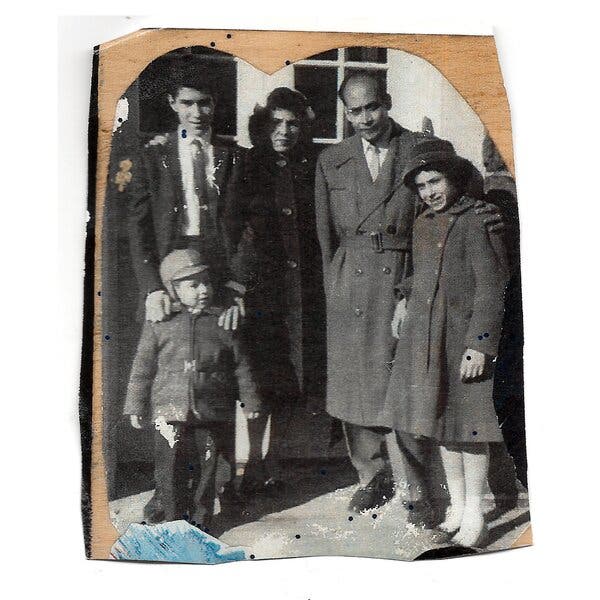
As a result, the rapid overpopulation, widespread unemployment, and government neglect quickly led to a rise in crime, a booming drug trade, and poverty. Against this backdrop of chaos and decay, isolated cases of arson began in the South Bronx. At first, it was all explained as local gang disputes and personal vendettas, but then it became clear that it was something else entirely.
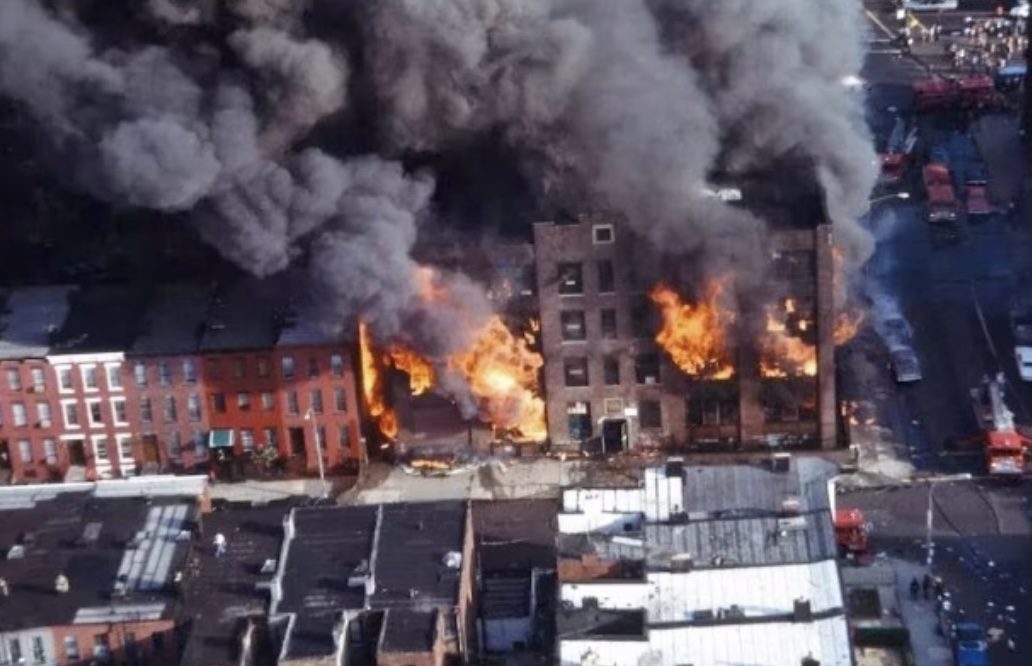
The Start of Mass Fires
By 1968, the number of fires in the area had already exceeded all statistical records. But there was no appropriate reaction from the government or regulatory bodies. The fire department’s behavior was very strange. Firefighters would often not even show up for a call, or they would arrive after the building had completely burned down. People were afraid to go to sleep; a new fire would break out almost every night. South Bronx residents at the time often buried their valuables and documents, fearing they would lose everything in the fires.
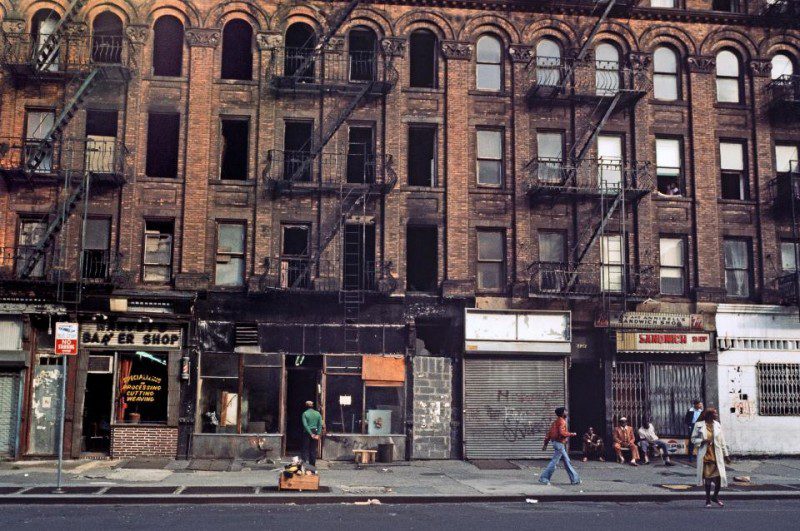
The situation became even more unbearable when New York declared bankruptcy in 1974. This affected the work of all government institutions and organizations. At that time, almost 12 fire companies closed at once. Old mattresses could often be seen under buildings in the Bronx. People would place them under windows in case of a sudden fire at night and would jump from the buildings, grabbing their pre-packed belongings. In some buildings, residents created a schedule of shifts, sleeping in turns so they could wake everyone else up if something happened. Many fires were extinguished at the ignition stage by the residents themselves. They realized that it was pointless to rely on firefighters, so they started watching over and monitoring the buildings themselves. But still, by the mid-70s, there wasn’t a single building in the South Bronx that hadn’t been hit by a fire, big or small.
People protested, demanding that the administration pay attention to them, help them, and save them. But the government was unyielding. The request to increase the number of firefighters was met with the response that firefighters wouldn’t solve the problem of arson. The residents of the South Bronx were left to face their problems alone.
Who Was Interested in the Fires
Local newspapers at the time didn’t write calls for help, didn’t publish fair investigations, and didn’t report on the terrible numbers of burned-out buildings and shattered lives. Instead, you could see articles about the flood of immigrants that had led to the catastrophe in the region, stories about how children from orphanages were setting buildings on fire in the Bronx, and accusations against local criminals for the mass fires.
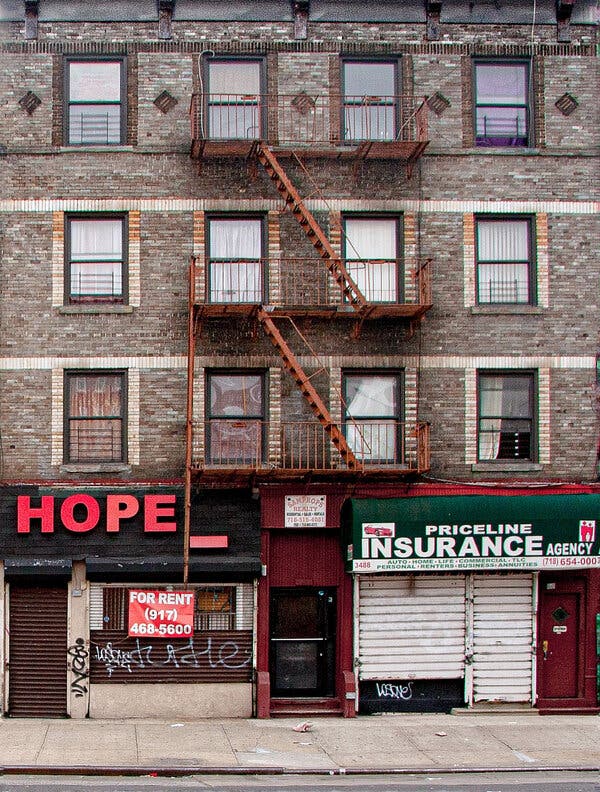
There was not a single word about the insurance payouts that the owners of the burned buildings received. And the scheme turned out to be quite interesting and incredibly profitable. Old, dilapidated buildings that had long needed repairs suddenly caught fire and burned down. Landlords received a hefty sum from the insurance company and didn’t have to worry about repairs or the poor, problematic tenants. When people started to simply flee the South Bronx, fearing for their lives, the fires surged again. After all, burning empty buildings was even easier. Eyewitnesses said they often saw that after people left a building, almost immediately at night, everything was cleared out, and pipes and wires were removed, and in the morning, all that was left of the building was a pile of ashes. And again, no investigation—the report stated “unknown cause of ignition,” the owner received the insurance payout, and that was it, case closed.
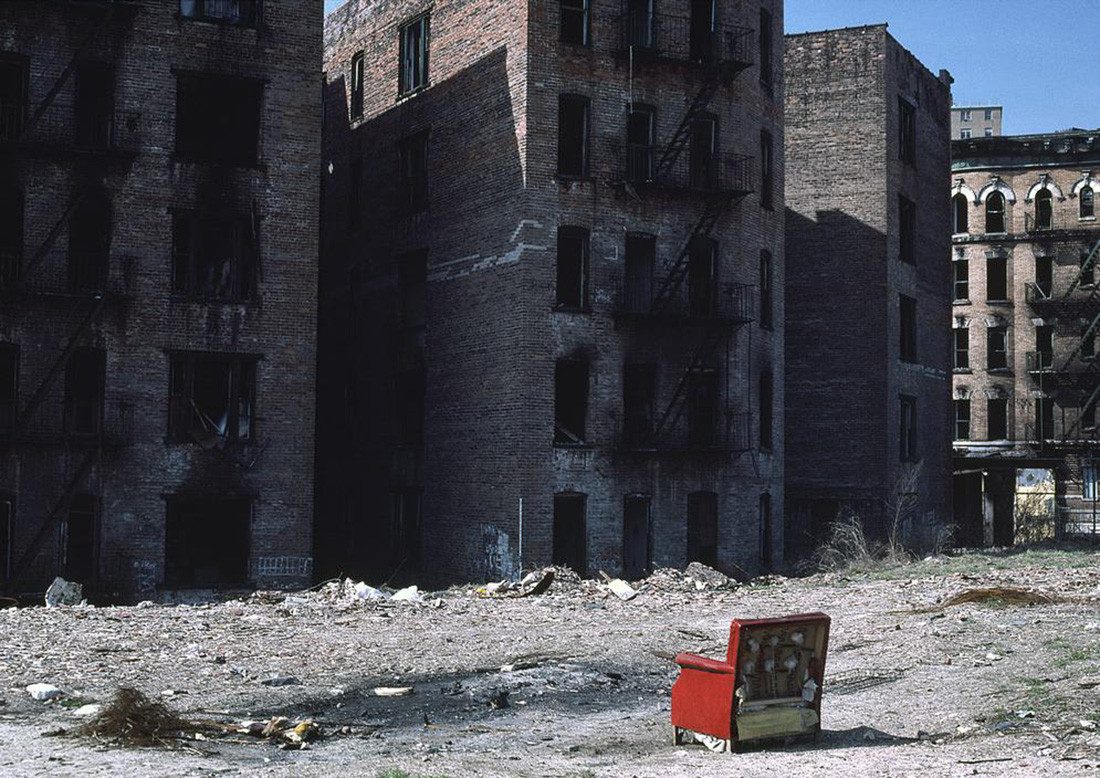
The Government’s Attempts to Stop the Blaze in the Bronx
But this couldn’t go on forever; there had to be people who cared about the fate of the Bronx. Hope glimmered with the arrival of President Jimmy Carter. He was shocked by what he saw in the half-burned, faded neighborhood, where not long ago hip-hoppers were rocking and children were laughing. Carter promised to revive the South Bronx and even budgeted a support program worth $55.6 million, but he never managed to implement the project.
Ronald Reagan was not so optimistic; he believed that rebuilding the area was impossible and that it was not rational to spend huge budget funds on it. Therefore, his policy focused on supporting what was left in the South Bronx without allocating funds for rebuilding the burned-out blocks.
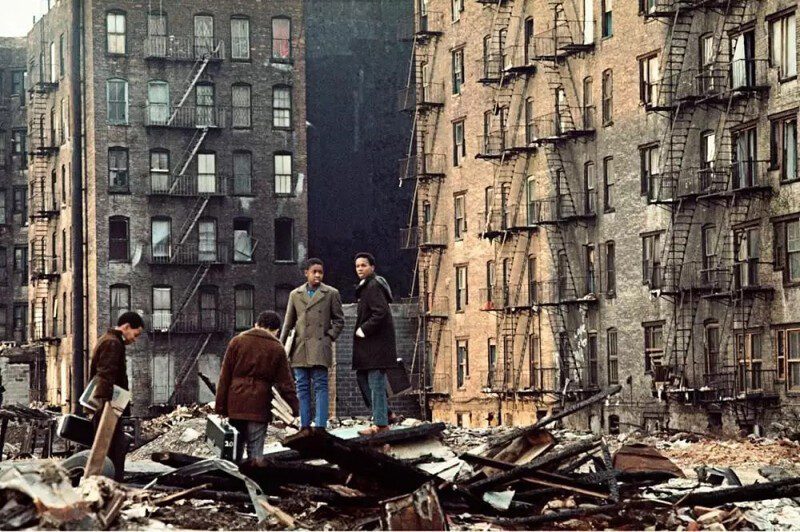
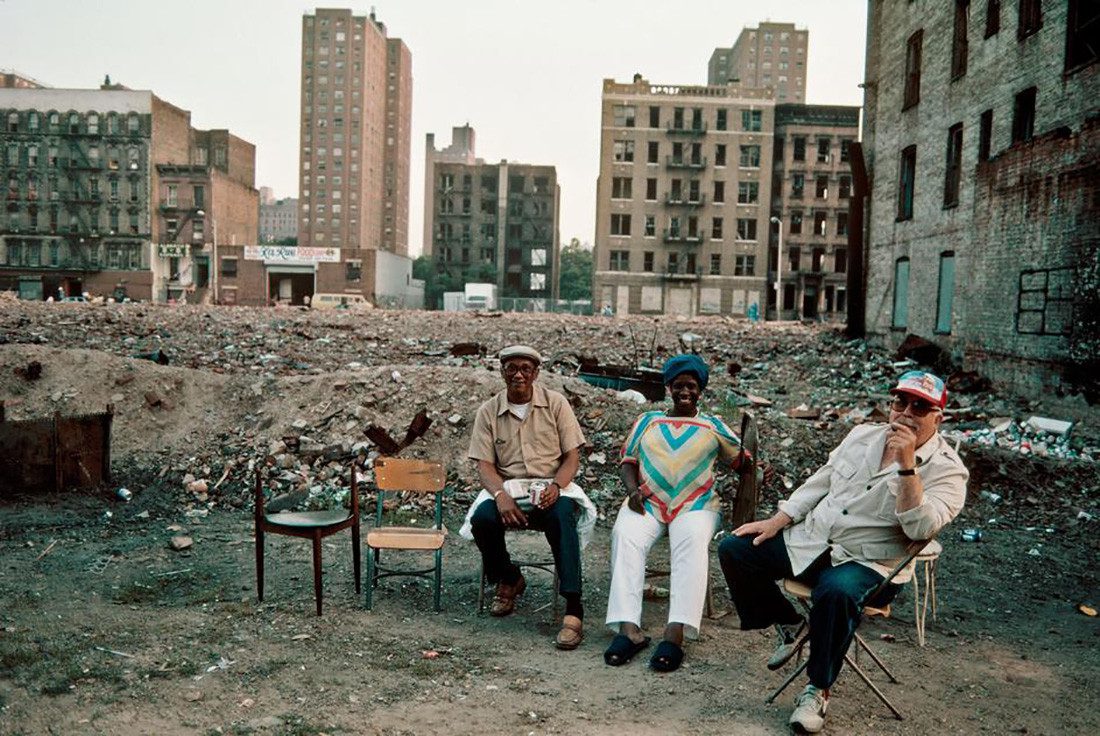
It was only in 1982, under pressure from local residents, that an investigation team was finally sent to the Bronx. Only when the arsonists realized they could be held accountable for their crimes did the fires slow down. In 1986, Mayor Ed Koch finally paid attention to the long-suffering neighborhood and funded a $4.4 billion program to restore 100,000 housing units.
The Film “Decade of Fire”
In 2019, a documentary was released about the events of that time when the Bronx was engulfed in a merciless fire and tried to survive, abandoned by everyone. The film was made by a real participant and eyewitness to those terrible events, Vivian Vazquez. She immigrated to the United States from Puerto Rico, lived in the Bronx in the 70s and 80s, and saw firsthand what was happening there.
Vivian was outraged by the narrative that was prevalent in society. Even in school textbooks, the fires in the Bronx were talked about with the subtext that the residents themselves had destroyed the borough. Vivian says:
“We didn’t destroy the Bronx; we were the ones who saved it. We were inspired by the stories we heard by interviewing people and doing the research. We discovered that in fact, public policies led to the destruction of the communities. We wanted to show that the burning of the Bronx was not an accident, and we wanted to put the political decisions at the center of what happened.”
The film also talks about the “red lines” that were once drawn on maps of all states by the American government. These lines separated areas with a predominantly poor, migrant population that were abandoned. Formally, the main laws did not apply there, and insurance companies, mortgage lenders, and all other services behaved differently. Politicians at the time were very biased against so-called people of color and migrants. They believed that they were not capable of living in big cities, that they were criminal, uneducated, irresponsible, and not useful in any way. So they wanted to get rid of them by any means necessary.
But the Bronx has already turned that terrible, ash-black page and proved that no “red lines” should be drawn on it. Here, everyone can live together in harmony, helping and supporting each other.
Read the history of the Bronx’s development in the 19th and 20th centuries in this article.