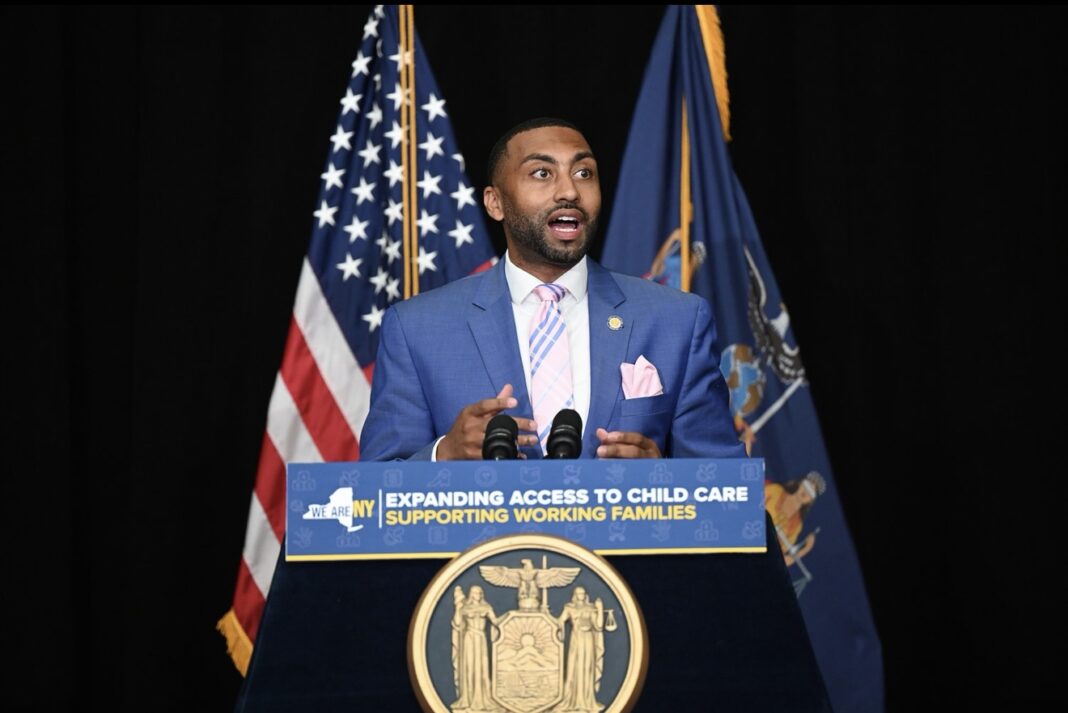

Jamaal Bailey is a central figure in the intricate world of Bronx politics. As the Chair of the Bronx Democratic County Committee, his leadership dictates everything from candidate endorsements and political alliances to local community funding. In this article on bronx-yes.com we trace the rise of this ambitious and influential leader—exploring how the party under his watch shapes judicial elections and local initiatives, all while remaining a focal point for the media and the public alike.
Roots That Define a Leader
Jamaal Bailey’s story is a Bronx story. Raised in Wakefield, he grew up surrounded by the grit of the city streets and the tight-knit local ties that would eventually define his career path.
His education followed a route familiar to many New York kids, but with an ambition that reached far beyond the classroom. Bailey attended public schools, including P.S. 83 in Morris Park and M.S. 181 in Co-op City, before earning a spot at the prestigious Bronx High School of Science. It was there that he began honing the analytical mindset that would later become his trademark in the political arena.
He earned his undergraduate degree from SUNY Albany and went on to secure a J.D. from the CUNY School of Law. This combination of academic rigor and a deep-seated understanding of community needs became his greatest competitive advantage.
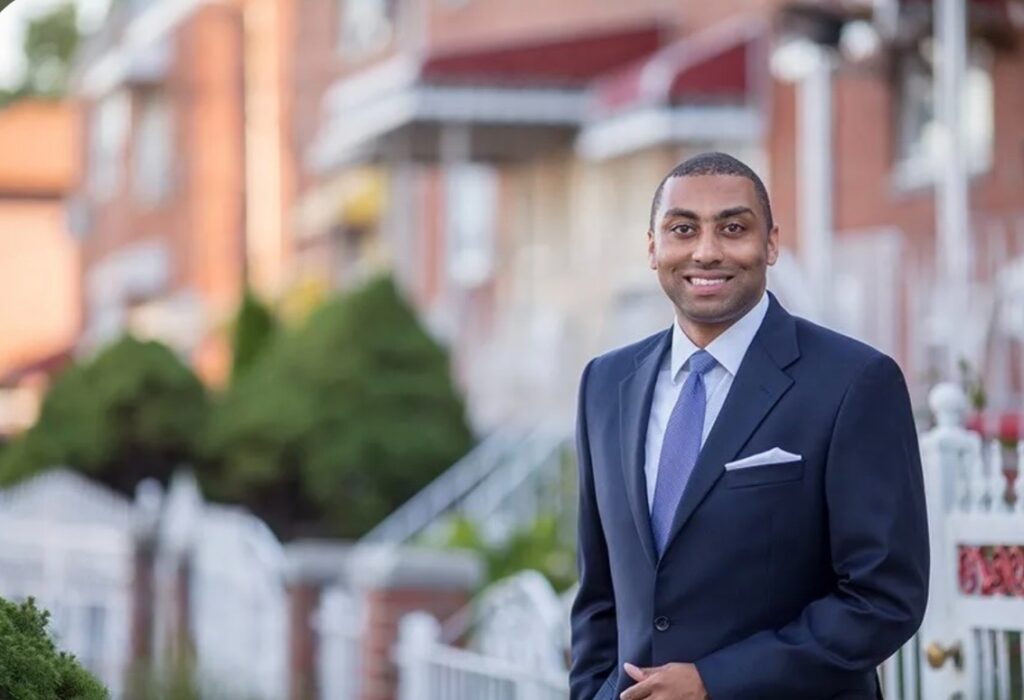
While still a student, Bailey dove into the political world, starting as an intern for Carl Heastie. This was more than just a formal internship; he was deep in the legislative process, working on initiatives and building a reputation as a high-impact organizer. Bailey eventually rose to become Heastie’s regional director and later served as the district manager for the 83rd District for six years.
Throughout his rise, his connection to the community never faltered. From playing in local Little Leagues to his active involvement in the NAACP, these lived experiences shaped him into a politician who doesn’t just represent a district—he knows it by heart.
“I remember my neighborhood. I remember its culture,” Bailey often says, emphasizing that his political stance was forged on the streets of his home borough, not in a boardroom.
The Political Breakthrough: Cementing Influence in the State Senate
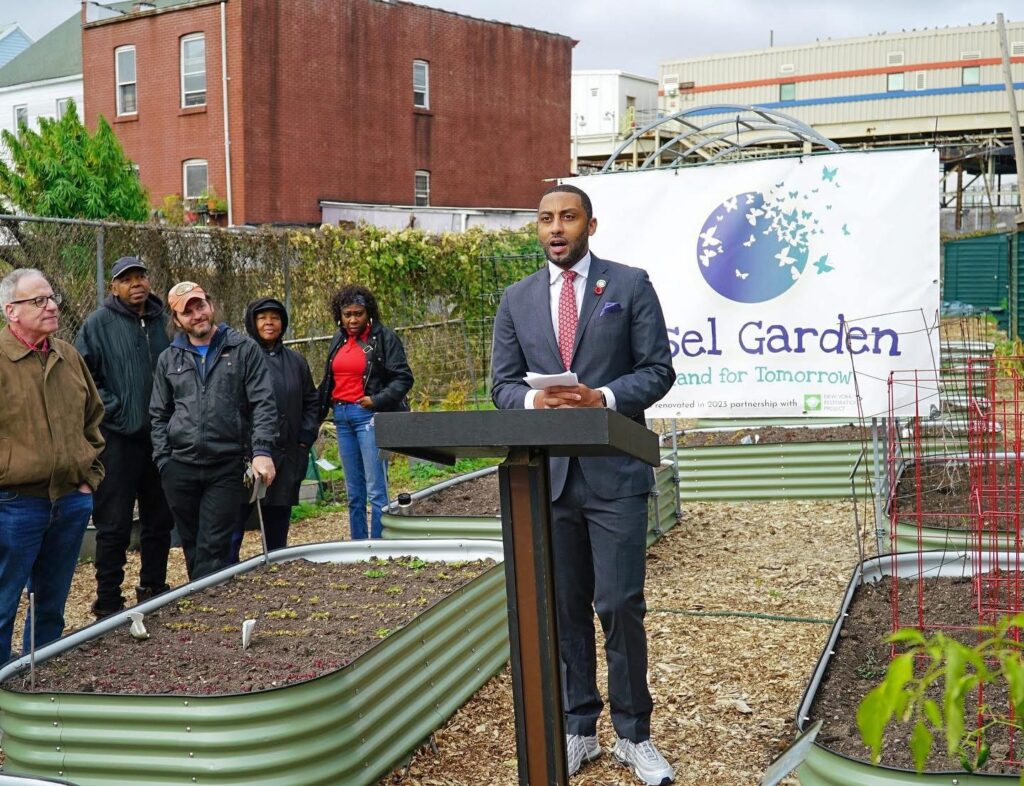
Jamaal Bailey’s meteoric rise truly took off in 2016. When a seat in the State Senate opened up following Ruth Hassell-Thompson’s move to the Cuomo administration, Bailey saw a window of opportunity. He didn’t just walk through it; he turned it into a launchpad for a major career.
In a high-stakes Democratic primary, Bailey outpaced four competitors to secure a convincing victory. Months later, he handily defeated his Republican opponent in the general election, officially entering the New York State Senate. Since then, he has consistently maintained the trust of his constituents, winning re-election in 2018, 2020, 2022, and 2024.
His district is a vibrant mosaic of the North Bronx and parts of Mount Vernon, spanning Woodlawn, Williamsbridge, Co-op City, Wakefield, and Baychester. It is here, among these familiar neighborhoods, that Bailey crafts policy tailored to real-world community needs.
In the Senate, he quickly emerged as a heavy hitter. His work spans critical committees, including Finance, Judiciary, and Crime Victims, Crime and Correction. By 2025, Bailey took the helm as Chair of the Insurance Committee, having previously led the influential Codes Committee.
Bailey’s early tenure was defined by a blitz of criminal justice reform. He championed “speedy trial” initiatives, bail reform, and discovery reform. These efforts culminated in the 2019 budget, which effectively abolished the “blindfold law” and mandated the automatic disclosure of evidence.
Equally impactful were his strides in police reform. Bailey was a key player in the repeal of Section 50-A, which for decades had shielded police disciplinary records from public view. He also pushed for legislation increasing police accountability—from mandatory reporting on weapon discharges to ensuring medical and psychological care for individuals in custody.
This phase of Bailey’s career marked his transition from a promising newcomer to a seasoned reformer, capable of turning bold campaign promises into the law of the land.
The Bronx Under New Management: Bailey’s Slow But Steady Reform
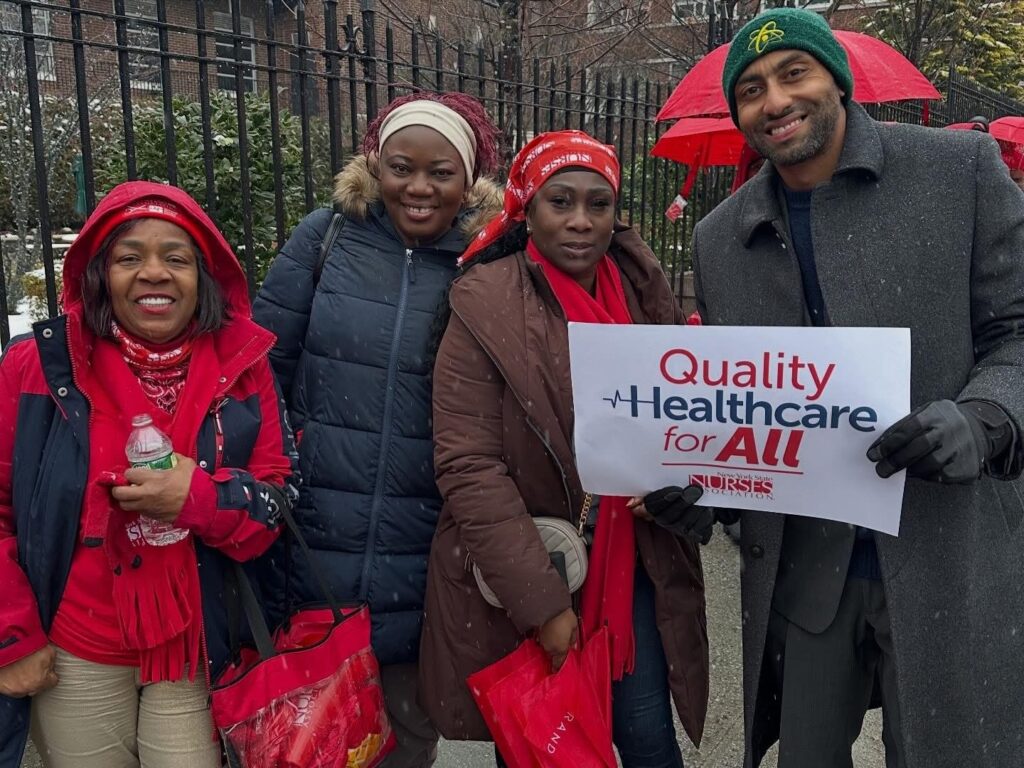
While national politics grabbed the headlines, a critical transformation was brewing right in the Bronx. In the fall of 2020, Senator Jamaal Bailey made a move that expanded his influence far beyond the state legislature: he became the Chair of the Bronx Democratic County Committee.
His ascent followed a sudden power vacuum left by the resignation of Marcos Crespo. Bailey ran a quiet but surgical campaign among the party establishment, and by late September, he officially took the reins of one of the city’s most powerful political machines.
“It is an honor to lead the borough that gave me everything,” he stated, immediately setting the tone for his tenure: less talk, more walk.
His primary mission is to transform the party into a more open and inclusive institution. To do this, he has been diversifying the leadership ranks to reflect the true multicultural fabric of the Bronx—a borough where Caribbean, Latino, African, and Asian roots converge.
For years, “The Bronx Machine” was criticized for being a closed-door, “old boys’ club.” Bailey is attempting to flip that script through tangible actions rather than just rhetoric. He has established new advisory boards, brought “outsiders” into the decision-making process, and even maintained a steady dialogue with his critics.
Of course, systemic change is never a straight line. The party has faced pushback for taking cautious stances in certain races or backing moderate candidates over progressives. Bailey’s response is pragmatic: real change doesn’t happen overnight. His strategy is a balancing act—respecting the borough’s political veterans while empowering a new generation to change the game from the inside.
His commitment is backed by results. In late 2025, Bailey secured $1 million for high-tech security cameras in Co-op City. It wasn’t just a budget win; it was a clear signal that he is tackling public safety with direct, local solutions.
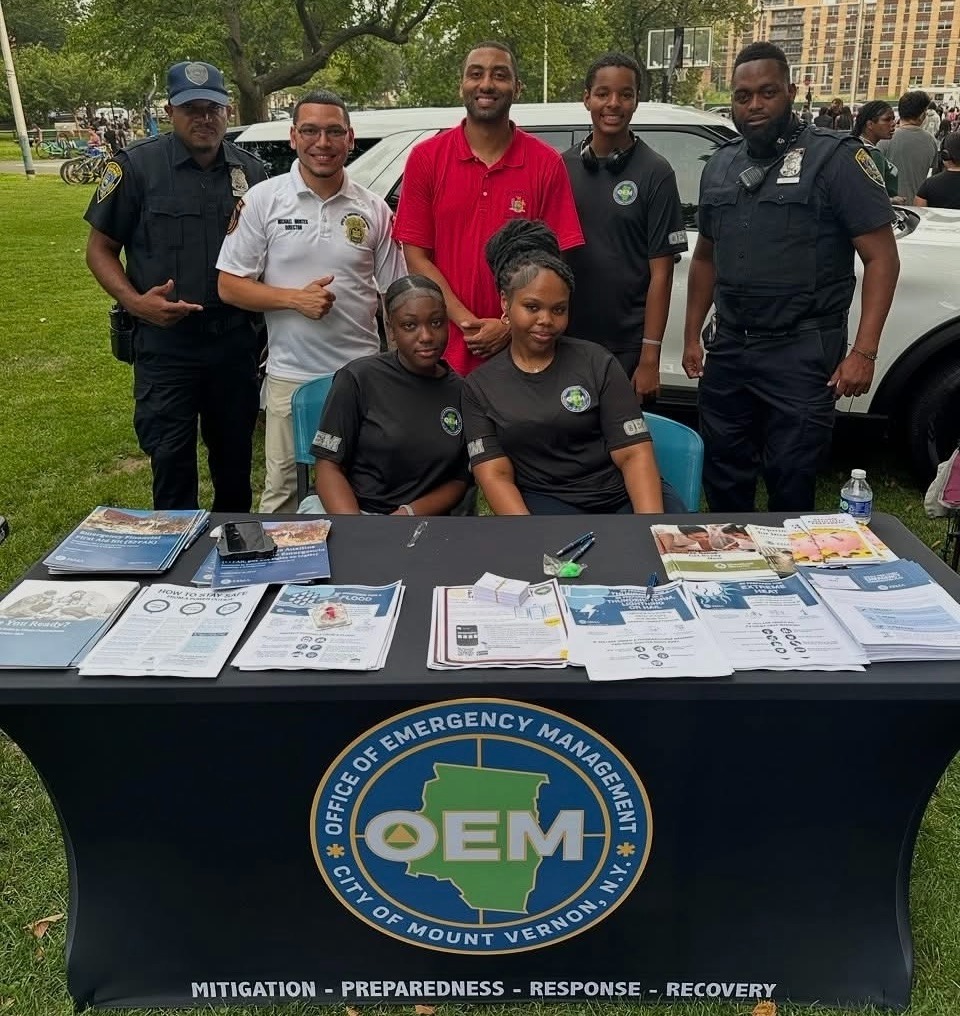
Under Bailey’s watch, the Bronx is moving—sometimes slowly, sometimes controversially, but always toward a more transparent and accountable political culture.
Family, Basketball, and The Bronx: The Personal Side of Jamaal Bailey
Behind the public persona of a high-powered politician is a role Bailey considers far more important: husband and father. Along with his wife, Jamara, he is raising a son and two daughters in Baychester, staying true to the neighborhood that raised him.
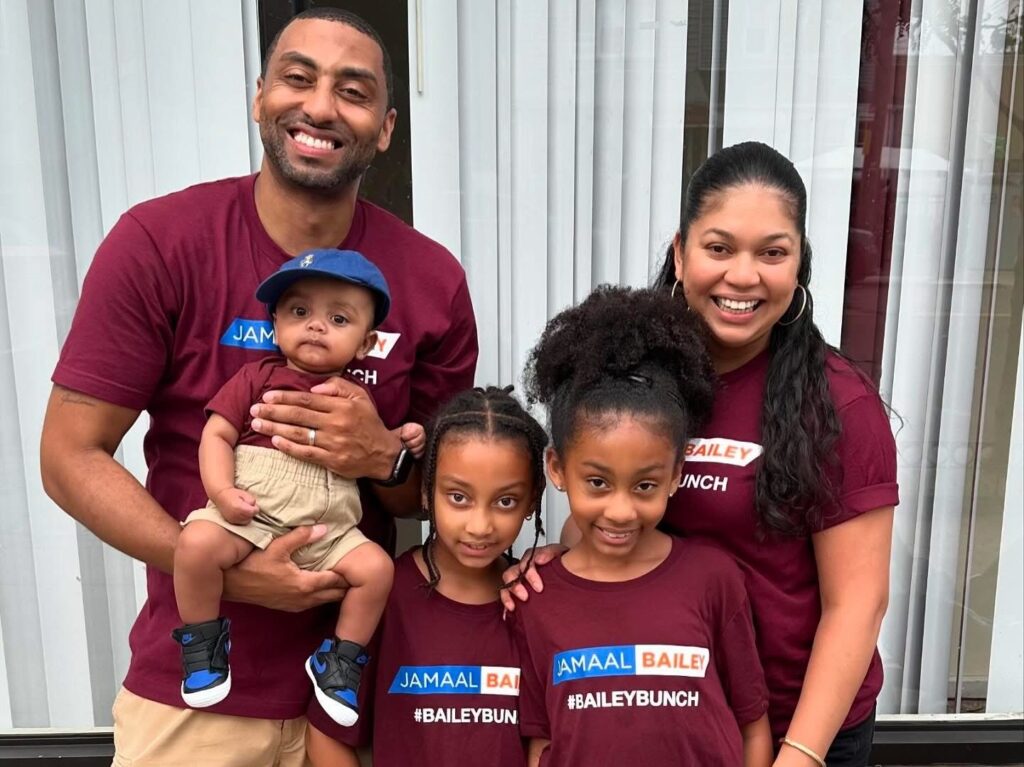
For Bailey, family is the ultimate “why.” He often notes that his kids are a daily reminder of the stakes involved in his work. When he manages to find a gap in his schedule, he heads straight for the basketball court. For him, hoops isn’t just a hobby—it’s a mindset. He frequently draws parallels between politics and the modern NBA, where success is defined by court vision, teamwork, and the ability to pivot.
His family life is a microcosm of the Bronx itself. Married to a Puerto Rican woman, Bailey is raising his children at the intersection of African American and Latino identities. This lived experience is why he insists that leadership must be inclusive and serve every corner of the community.
Despite his rank, Bailey remains a true son of the borough’s culture. Whether he’s talking policy or hip-hop, he speaks with the same passion—shouting out legends from KRS-One and Grandmaster Flash to Hector Lavoe and J.Lo. To him, the Bronx isn’t just a political district; it’s a global cultural epicenter.

Jamaal Bailey’s private life is the engine for his public mission. Family, culture, and sport form the foundation of his vision for the future—both for his own household and for the entire Bronx.