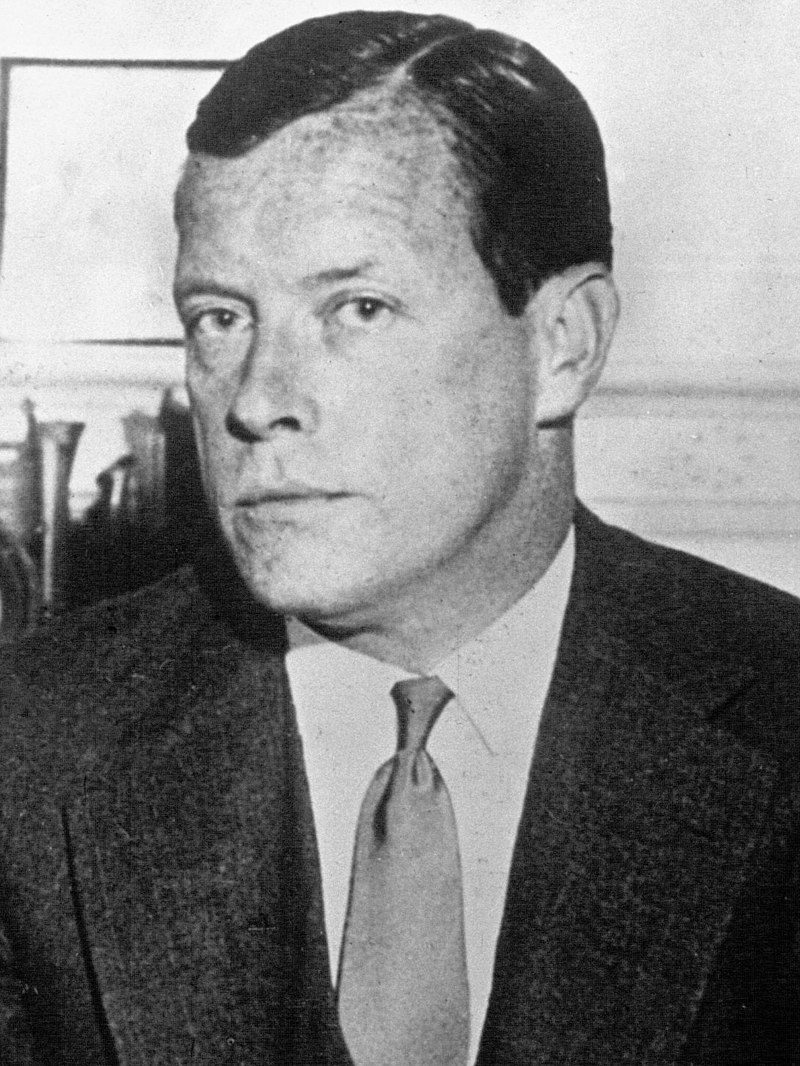

New York City is undoubtedly a vast metropolis with many notable leaders. Yet, among its mayors, some have faded into obscurity due to unremarkable tenures or lack of significant achievements. These include Abraham D. Beame, Vincent R. Impellitteri, John P. O’Brien, Joseph V. McKee, Ardolph Kline, William J. Gaynor, and George B. McClellan Jr. One such figure is Joseph Vincent McKee Sr., a former teacher at DeWitt Clinton High School in the Bronx and a member of the New York State Assembly. This article by bronx-yes sheds light on his life and career.
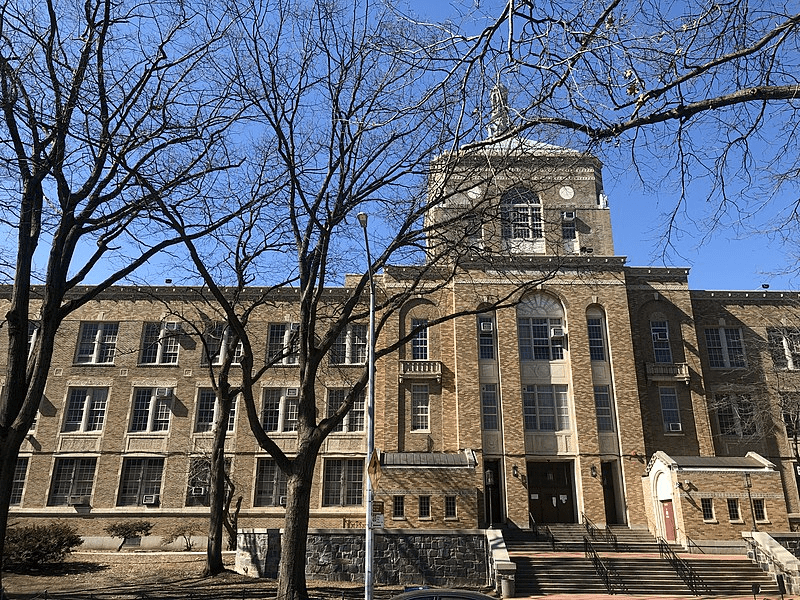
Joseph V. McKee Sr. and DeWitt Clinton High School in the Bronx
As content.time, notes, little information exists about Joseph V. McKee Sr., but it is known that he was born in 1889 and worked as a teacher at DeWitt Clinton High School in the Bronx. This suggests he had pursued higher education. The school itself is renowned in the Bronx, established in 1897 in Lower Manhattan as an all-boys institution. It moved several times before settling on Mosholu Parkway in 1929, where it remains today. DeWitt Clinton High School is proud of its many notable alumni, including judges, singers, athletes, politicians, scientists, and writers. McKee taught there until he transitioned into politics.
Marriage and Politics
According to newspaper archives, McKee married Cornelia Kraft in 1918. That year marked the beginning of his political career. A former teacher, McKee “accidentally” entered politics by leading a trust company. He soon became a member of the New York State Assembly representing the Bronx, serving from 1918 to 1923. While he could have continued in this role, McKee transitioned to becoming a municipal judge in 1924.
Municipal judges handle minor crimes and violations within their local jurisdictions. Their duties vary by state; for example, municipal courts in Kansas can issue search warrants, while those in Arizona cannot.
As a municipal judge, McKee gained the respect of Bronx voters, leading to his election to the New York City Board of Aldermen in 1926. This positioned him to step in when Mayor James J. Walker abruptly left office.
The Scandal and Departure of Mayor James J. Walker
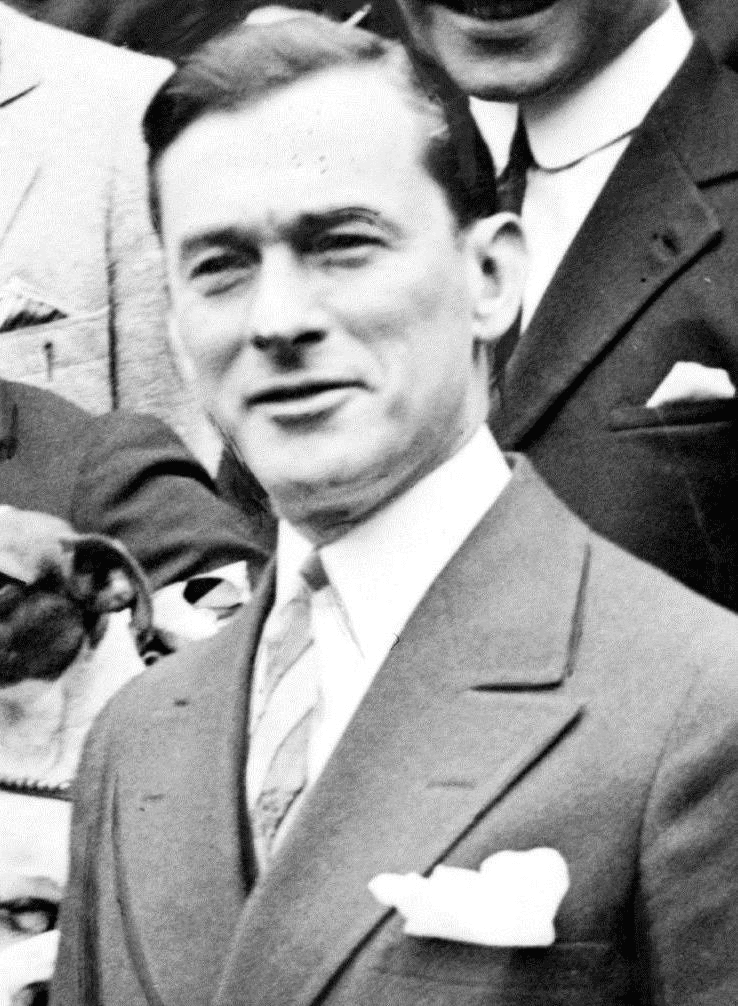
In late August 1932, James J. Walker, the diminutive and flamboyant mayor of New York City, vacated his position amidst a criminal investigation. On August 3, he departed for Europe and never returned.
The scandal began in spring 1932, when 21 mayors from across the U.S. visited Europe, notably France, generating headlines about their lavish activities. However, Mayor Walker was not among them. By July, rumors circulated in the press that Walker was unwell, despite having recently enjoyed a 10-day vacation in California. His doctor, William Schroeder Jr., recommended rest in Europe, and Walker boarded the German ship Bremen, ostensibly to recover. Instead, he indulged in extravagant banquets, beer parties, carnivals, and nightclub visits.
Adventures in Europe
Walker arrived in Germany to a grand reception despite claiming illness. Welcomed by boxer Max Schmeling, he toured a waste treatment facility before heading to the luxurious Adlon Hotel in Berlin. His visit resembled that of royalty, with women kissing his hand and hotel staff at his beck and call. After a brief rest, Walker resumed his “recovery,” frequenting musical shows, nightclubs, and socializing with a baroness.
He then traveled to Carlsbad (now Karlovy Vary), where he was greeted as if he were King Edward VII. Doctors declared him healthy, advising minor lifestyle adjustments such as limiting cigarettes to two per day. After five days, Walker abandoned the prescribed regimen for more revelry.
In Pilsen, he visited a brewery, sampling local beer, while in Prague, he received a fox terrier as a gift. In Budapest, his hand cramped from signing autographs. Vienna’s officials waited hours for him to arrive, and once there, he danced and socialized extensively. Finally, in Monte Carlo, Walker toured casinos and sipped champagne.
Walker’s escapades overshadowed his duties, and after 30 days, the city appointed Joseph V. McKee Sr. as mayor.
McKee’s Tenure and Death
On September 1, 1932, Joseph V. McKee Sr. assumed the role of mayor, following Walker’s resignation. Dubbed “Holy Joe,” McKee governed for four months. In the subsequent election, McKee lost to John P. O’Brien, whose own tenure lasted only a year before Fiorello La Guardia won the 1933 election.
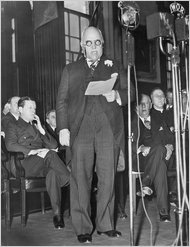
Though his time as mayor was brief, McKee remained active in politics, serving as a delegate to the Democratic National Conventions in 1932, 1936, 1940, and 1944.
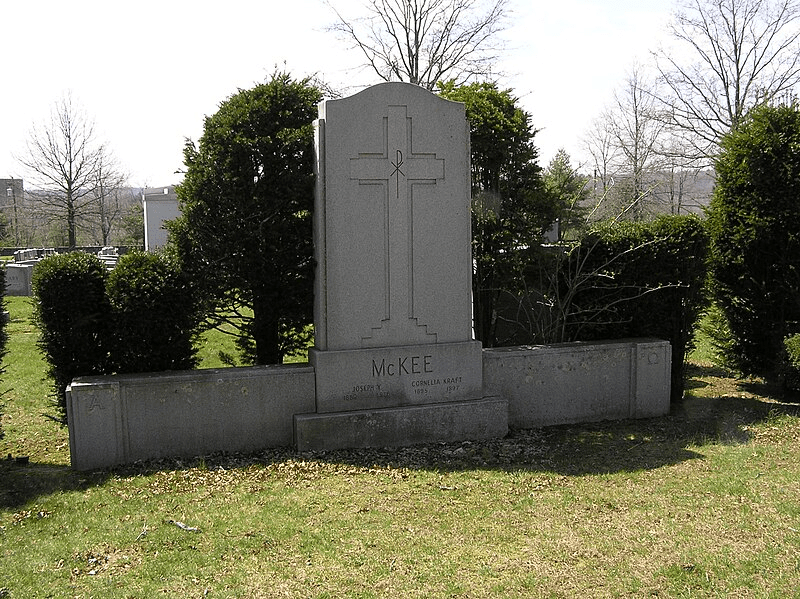
McKee passed away in 1956 at 66 from a heart attack at his home on 625 Park Avenue. He was buried at the Gate of Heaven Cemetery in Hawthorne, New York.