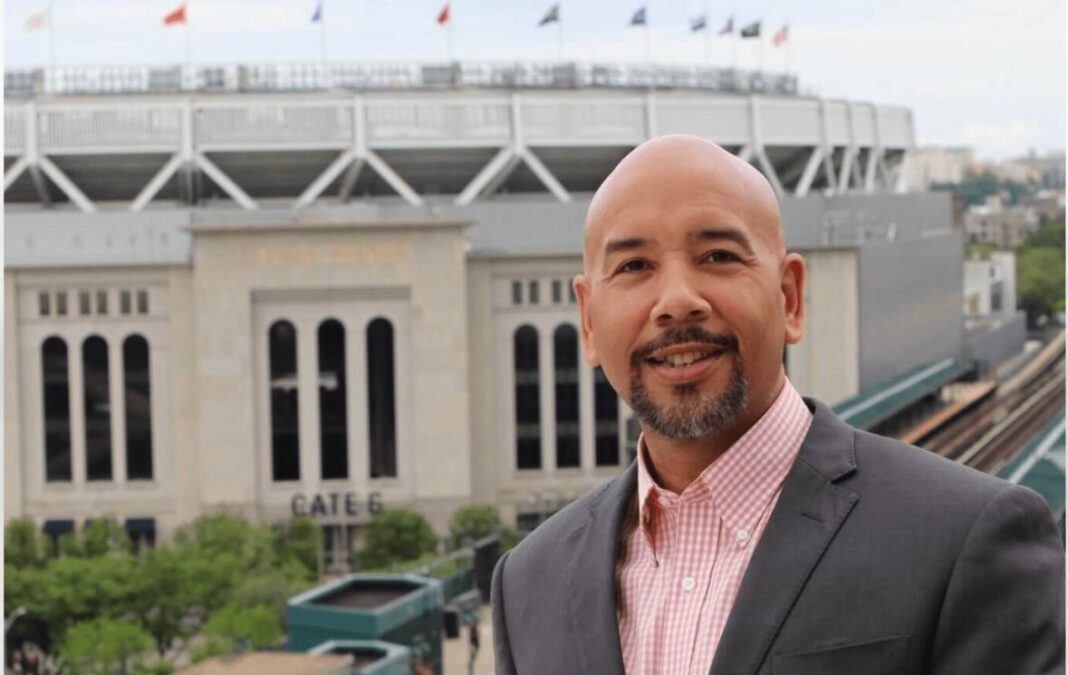

Ruben Diaz Jr. is the visionary behind “The New Bronx” initiative. He’s an American politician who served as the 13th Bronx Borough President from 2009 to 2021. Under his leadership, the borough attracted an astounding $27 billion in private investments, saw a significant increase in housing units, and slashed unemployment by nearly 10%. The Bronx, once synonymous with neglect, transformed into a hub of job creation, economic growth, and improved health and well-being. Learn more about his journey — a testament to how a personal story, deep community ties, and a genuine desire for change can lead to political leadership — on bronx-yes.com.
The Seeds of a Political Future
Ruben Diaz Jr. was born in the Bronx to Puerto Rican parents who had moved to New York before his birth. From childhood, a spirit of community service permeated his home: his father, Ruben Diaz Sr., was an active politician, serving as a New York City Council member and State Senator, while his mother worked as a childcare provider.
Ruben was the youngest of three children; his sister became an NYPD officer, and his brother works for the NYCHA housing authority. Growing up in the diverse and often challenging environment of the Bronx instilled in him a deep understanding of the issues facing local youth, particularly the lack of representation and support.
Ruben attended elementary and middle schools in the Bronx, then went on to LaGuardia Community College, and later earned a bachelor’s degree in political theory from Lehman College. Even during his student years, he balanced his studies with community activism.
Career in the New York State Assembly
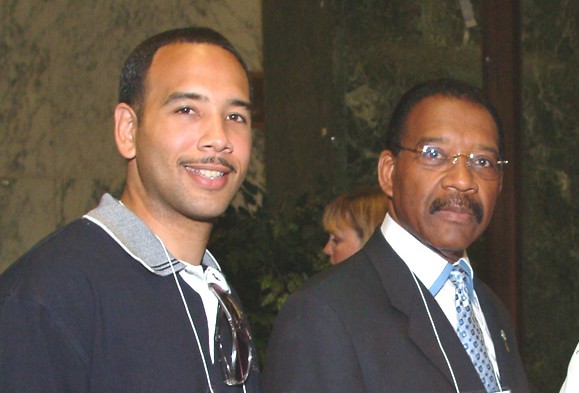
At just 23, Ruben made a bold move into politics, deciding to run for the New York State Assembly. His election was historic: Ruben Diaz Jr. became the youngest legislator since Theodore Roosevelt.
Within the Assembly, Diaz proved to be an active legislator and a fierce advocate for his constituents’ interests. He sponsored and co-sponsored a range of vital initiatives covering healthcare, tenant rights, environmental protection, pedestrian and school bus safety, labor standards, insurance fraud, and transparency in environmental impact reporting. He championed the regulation of energy companies, supported seniors’ rights, including expanding access to the SCRIE program (Senior Citizen Rent Increase Exemption), and opposed aggressive tax agent tactics.
Diaz paid special attention to education. He openly supported the Campaign for Fiscal Equity (CFE), which advocated for every child’s constitutional right to a quality basic education. In 2003, when Governor George Pataki attempted to drastically cut higher education funding, Diaz actively resisted the plan and helped preserve a significant portion of the funding through negotiations with other legislators. He also initiated laws aimed at cleaning up neglected industrial sites and reducing taxes for owners of buildings with green roofs. One of his key environmental focuses was the restoration of the Bronx River, a natural artery flowing through his electoral district.
As Bronx Borough President
In 2009, following Adolfo Carrión’s appointment as Director of the White House Office of Urban Affairs, Mayor Michael Bloomberg announced a special election for Bronx Borough President.
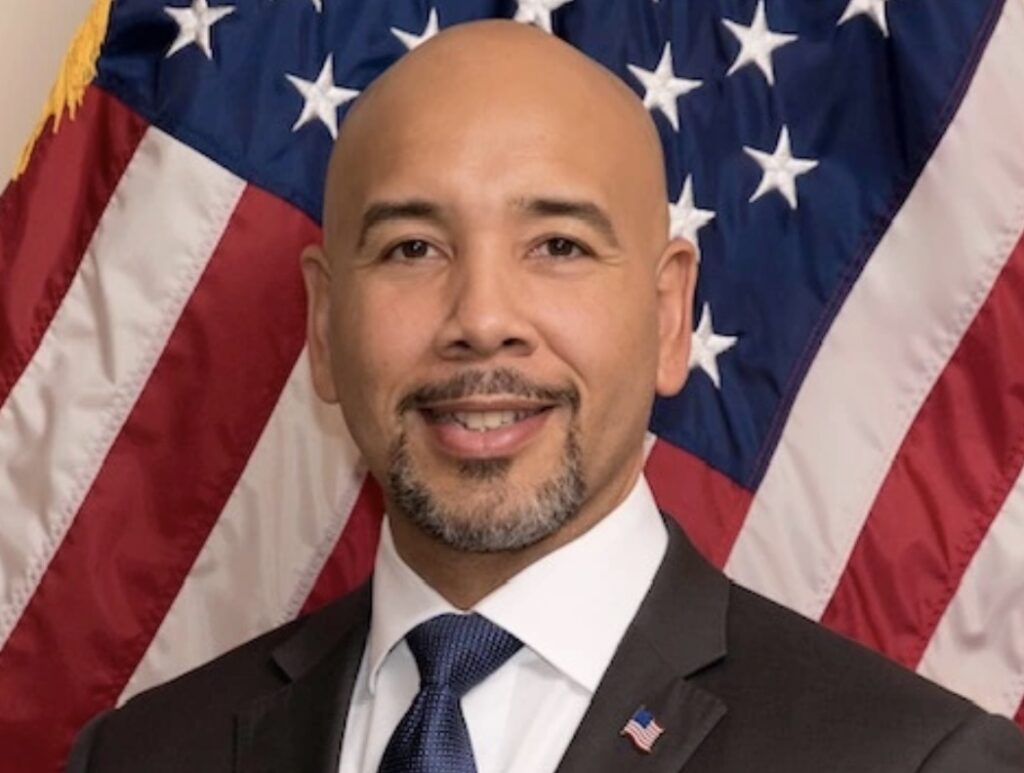
On April 21, Diaz Jr. decisively defeated Republican candidate Anthony Ribustello, securing 87% of the vote and becoming the 13th Bronx Borough President. Diaz described himself as a “pragmatic progressive,” capable of compromising if it benefited the community. Diaz said:
“Early in my career, I avoided people I disagreed with. I eventually realized that effective leadership requires collaboration.”
In 2020, despite considering a run for New York City Mayor, Diaz withdrew his candidacy, explaining that he wished to preserve his family’s privacy.
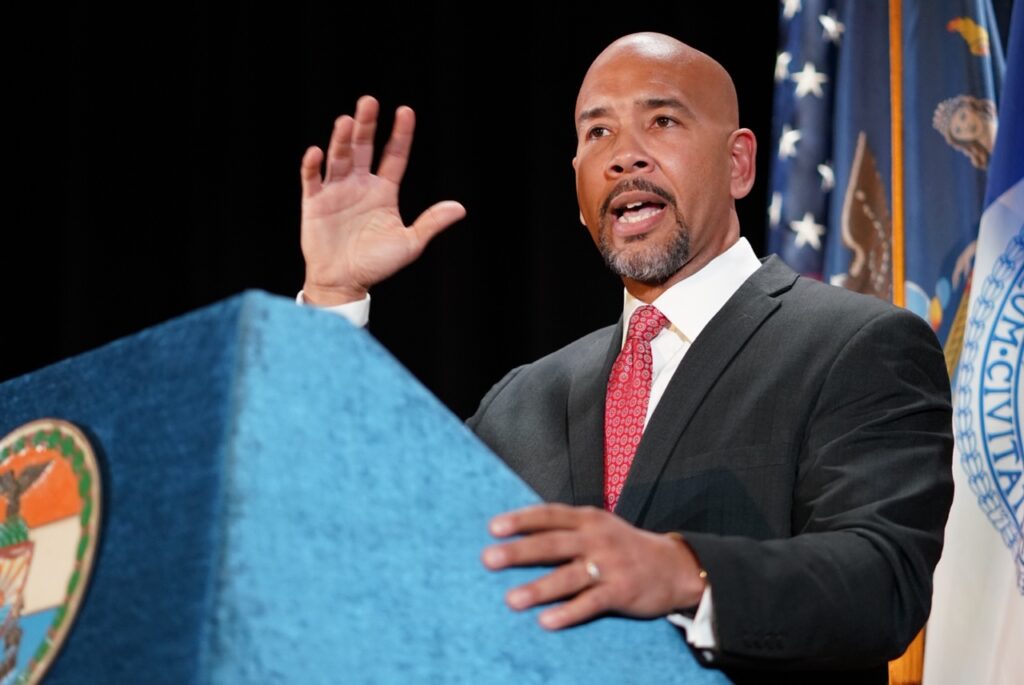
Ruben Diaz Jr.’s Key Achievements as Bronx Borough President:
- Economic Investment: $27 billion in investments, creating 117,000 new jobs.
- Housing Development: 55,295 new units, with approximately half designated as affordable housing.
- Unemployment Reduction: From 14% in 2009 to 5% in 2020.
- Capital Projects: Over 1,000 funded initiatives totaling $356 million. These include $30 million for the restoration of Orchard Beach, $3 million for a sensory playground, and $4.2 million for the Hip-Hop Museum.
Politically, Ruben quickly distinguished himself. His motivation was simple and honest: he wanted to be someone who represented the Bronx — not just formally, but from within, as someone who grew up there and deeply understood local needs.
“Someone who is part of the community should represent it,” he said.
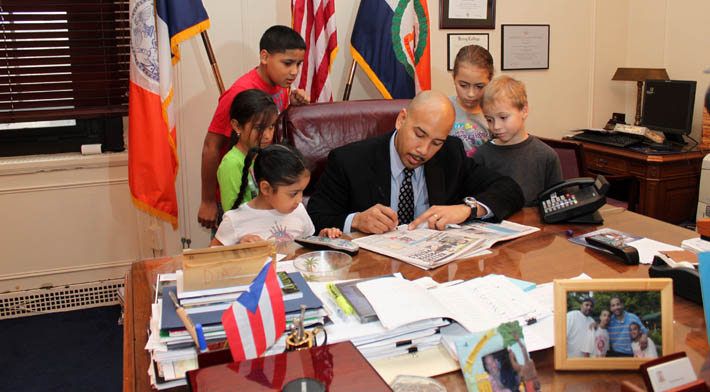
His early career wasn’t without its awkward moments — Diaz wore ill-fitting suits and had a “Clark Kent” hairstyle, as he humorously admitted. But his determination and a style his friends described as “hip-hop swag” became his calling card. He not only spoke but also looked like someone who truly understood the youth of the Bronx.
Hip-Hop Passion
Despite his long political career, Ruben Diaz Jr. has always remained deeply rooted in his community — both culturally and geographically. Hip-hop has been a constant companion throughout his life: from breakdancing to Sugar Hill Gang in his Stratford Avenue apartment to recording his own mixtapes and taking them to Albany. He describes hip-hop as his “life’s soundtrack.” Diaz often emphasizes that hip-hop, born on the streets of the Bronx, gave him insight into how to serve his community, particularly how to influence the narrative about a borough long distorted by stereotypes. It’s no surprise then that he became a patron of the Hip-Hop Museum.
“Hip-hop is the greatest bridge between racial divides in America. No other genre has that kind of impact,” Diaz believes.
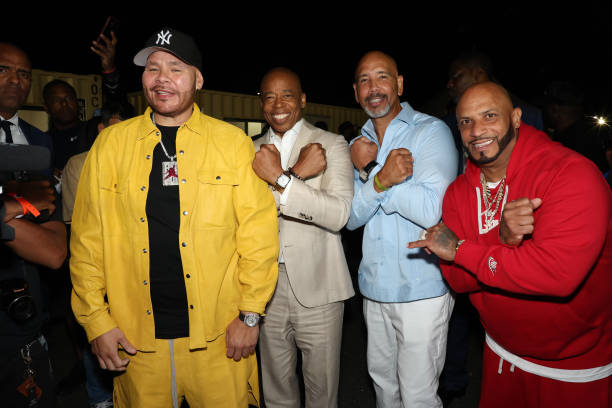
During the museum’s opening, Ruben Diaz even performed as a DJ, showcasing exceptional musical memory and deep taste. He shared a selection of his favorite tracks, spanning the East and West Coasts of the USA.
Father and Son
From a young age, Ruben Diaz Jr. forged a different path than his father — the charismatic, conservative pastor Ruben Diaz Sr., who was for a long time an influential politician. His father, recognizable by his signature cowboy hat, often found himself in the spotlight due to his stances, particularly as an opponent of LGBTQ+ rights. After an unsuccessful bid for the U.S. Congress in 2020, he announced his retirement from politics.
The son doesn’t hide his deep love and respect for his father but acknowledges that they always held opposing views on socially important issues. He openly noted that their disputes were never personal — exclusively political: specifically, about marriage equality, reproductive rights, and sex education in schools.
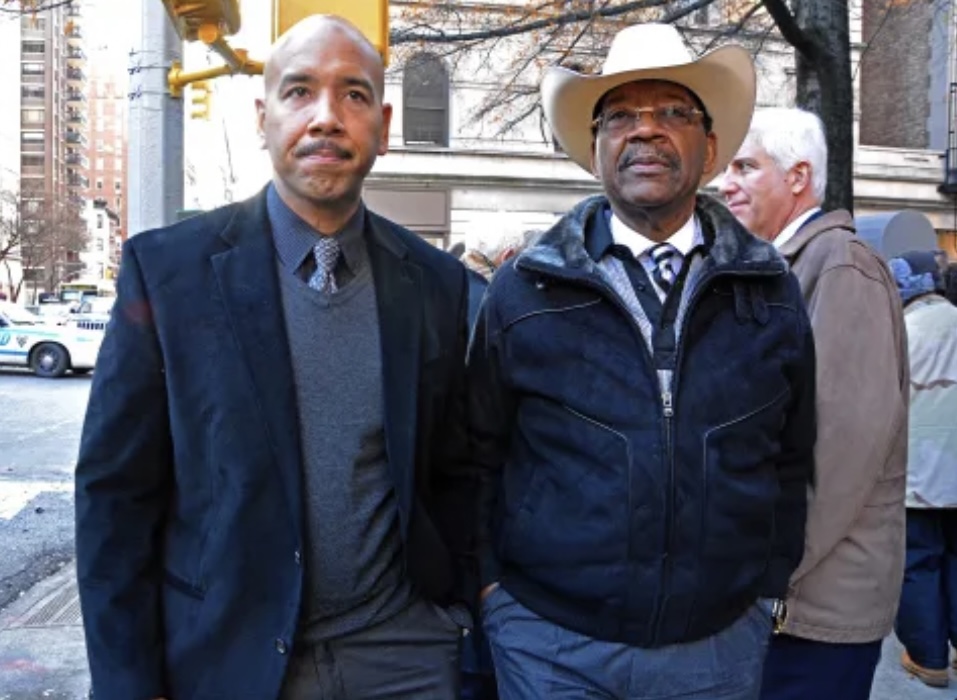
In 2011, generational tension within the family became public: during an AIDS march organized by Diaz Sr., Diaz Jr.’s 22-year-old niece, Erica, who is openly lesbian, organized her own counter-protest. Ultimately, she joined her grandfather on stage. Their embrace against the backdrop of a crowd that did not recognize her right to marry became an emotional symbol of family love despite deep ideological differences.
In 2019, Diaz Sr. found himself at the center of another scandal when he stated that the city council was “controlled by the homosexual community.” His son publicly condemned these words on Twitter, calling them “antagonistic, divisive, and totally unnecessary.”
“What makes me so mad about my father is that he wants to create this public persona when it comes to issues like marriage equality, but that’s not really who he is,” Diaz Jr. said.
Despite their political disagreements, father and son have repeatedly collaborated. Together, they worked to improve living conditions in their communities, particularly in affordable housing, employment, and recreation.