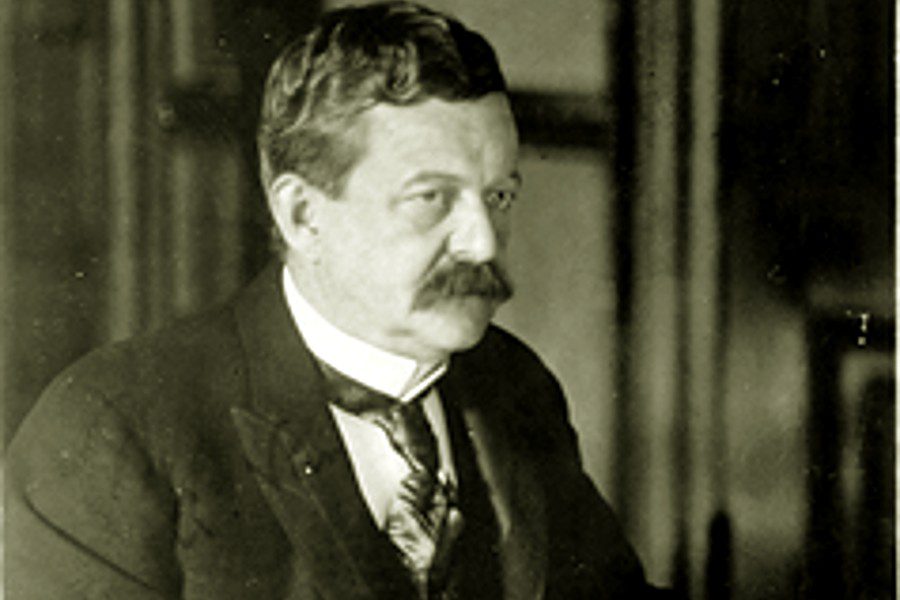

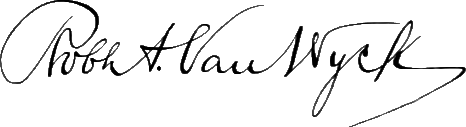
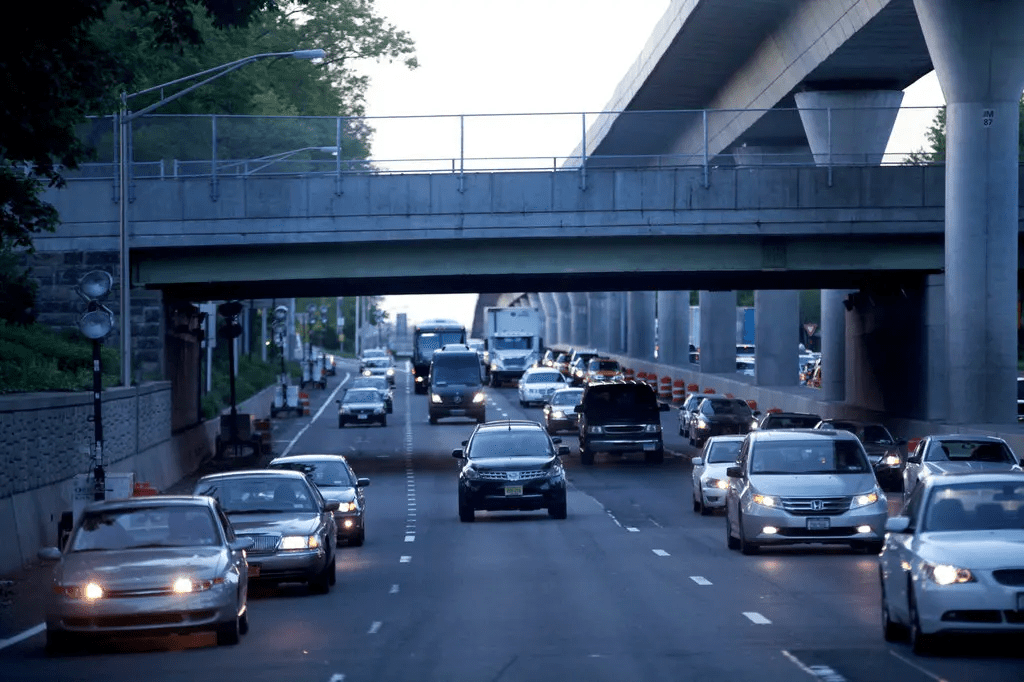
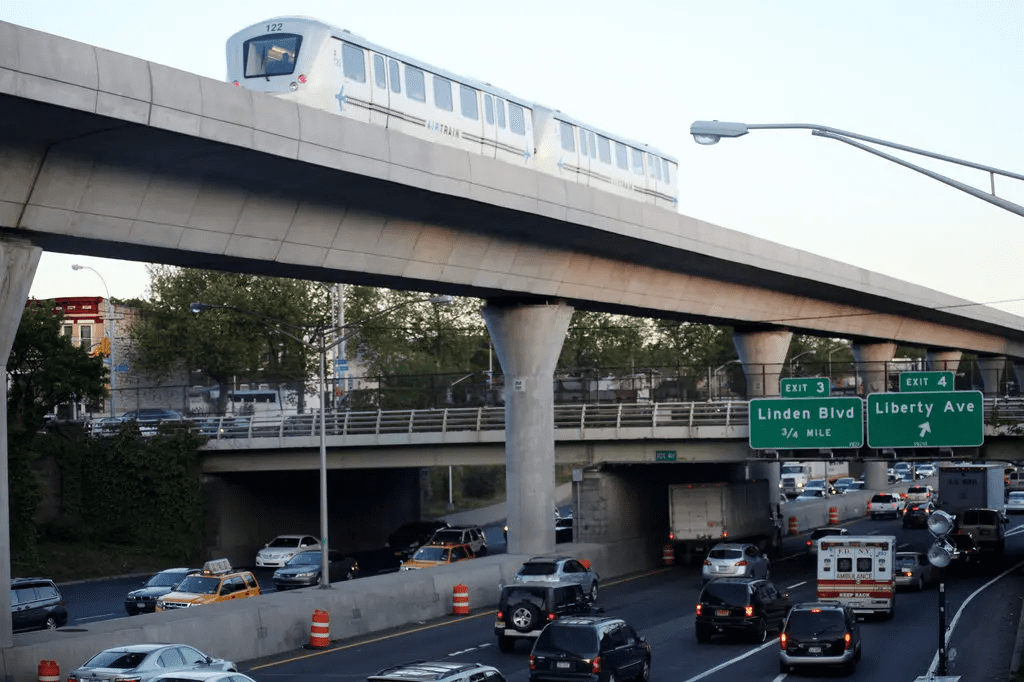
Almost every New Yorker is familiar with the Van Wyck Expressway, a major thoroughfare that stretches through Queens, connecting the Whitestone Expressway to John F. Kennedy International Airport. Visitors flying into JFK or residents traveling out often find themselves crawling along its heavily congested lanes, as the road is notorious for its frequent traffic jams. Along with the Cross Bronx Expressway, it is one of the most deteriorated highways in the city. But how did it get its name? The expressway honors a New York City mayor who served after the Bronx became part of the consolidated city. This mayor, Robert Anderson Van Wyck, passed away in Paris but was laid to rest at Woodlawn Cemetery in the Bronx. Let’s learn more about the man behind the name on bronx-yes.
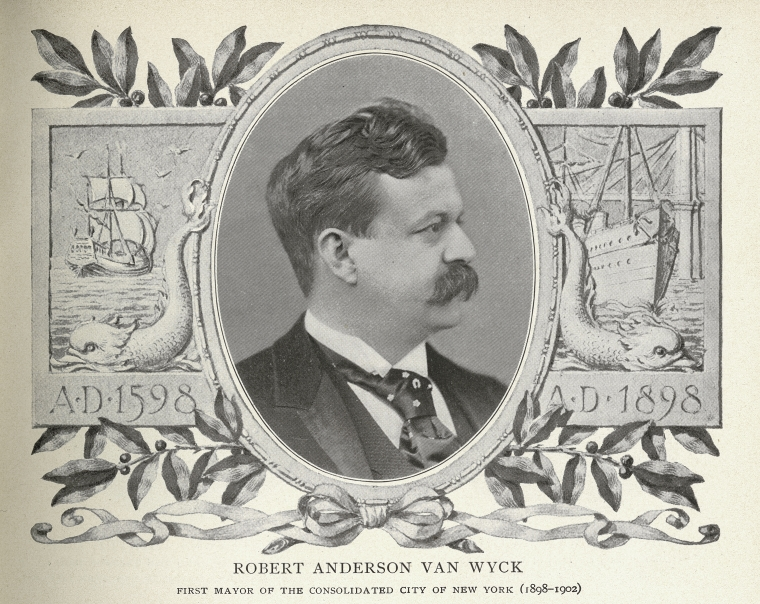
About Robert Anderson Van Wyck
According to The New York Times, Robert Anderson Van Wyck was born on July 20, 1849, to William Van Wyck and Lydia Ann Maverick. He was one of six children. One of his brothers served as a Confederate regimental surgeon and was killed during the Civil War, while another, Augustus, studied law and became a judge in Brooklyn. The family’s roots trace back to the Netherlands, specifically to the town of Wijk, where their ancestor Cornelius Barents van Wyck lived. This Dutch heritage would later contribute to complications surrounding the pronunciation of the family name, but more on that later.
Van Wyck received his early education at Wilson Academy in North Carolina before attending Columbia University, where he excelled academically and graduated at the top of his class. After completing his education, Van Wyck pursued a career in business and later became a lawyer, practicing law for many years before entering the political arena.
Van Wyck’s social standing helped pave his way into politics. He was a member of the prestigious Holland Society and later served as its president. Additionally, he was part of several influential social clubs in New York City, was an active Freemason, and belonged to The Ancient Lodge, another elite organization. His high social status made him a well-known figure in the city.
Political Career
Van Wyck’s ambitions led him to align with the Democratic Party, which had strong influence in New York City. He actively attended party conventions and gatherings, which helped him secure key positions. His political journey began with an appointment as a judge in the New York City Court, eventually rising to the position of chief judge.
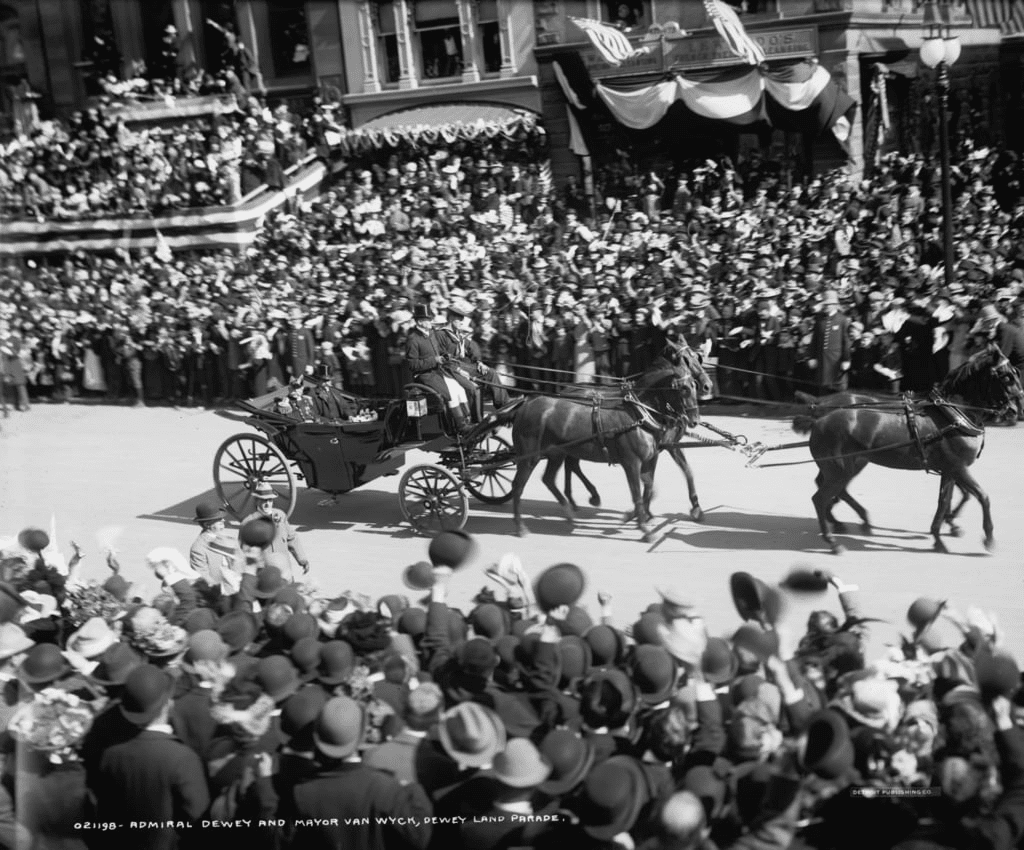
His time as a judge was a stepping stone to greater opportunities. In 1897, Van Wyck resigned from his judicial role to become New York City’s mayor. He was elected during the consolidation of the five boroughs—Manhattan, Brooklyn, Queens, the Bronx, and Staten Island—into Greater New York. Van Wyck thus became the first mayor of the newly unified city during a period of significant growth and modernization.
As mayor, Van Wyck implemented administrative reforms, consolidating numerous city departments and streamlining urban management. He also worked to improve municipal finances and oversaw the construction of the Interborough Rapid Transit (IRT), Manhattan’s first subway line, which opened in 1904. Another notable project during his tenure was the Brooklyn Tunnel, which connected Red Hook in Brooklyn to Battery Park in Manhattan.
The Ice Trust Scandal and Van Wyck’s Downfall
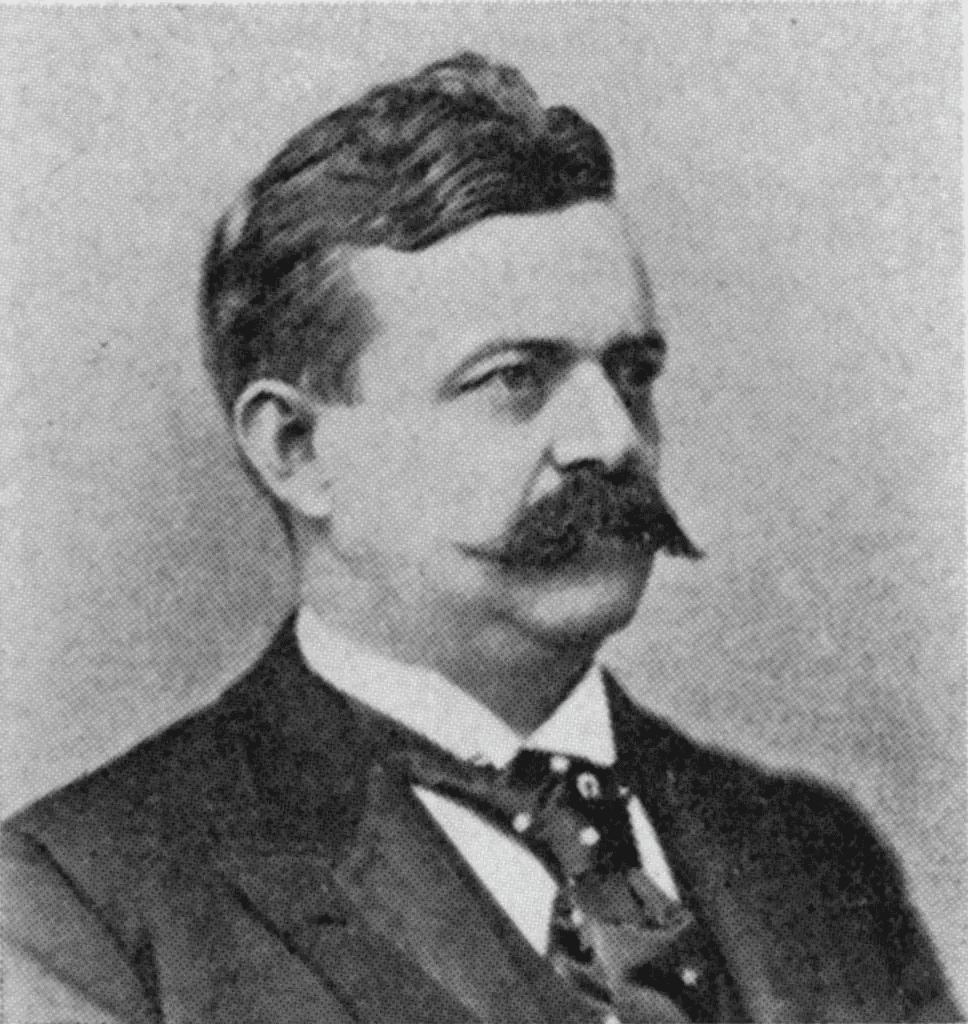
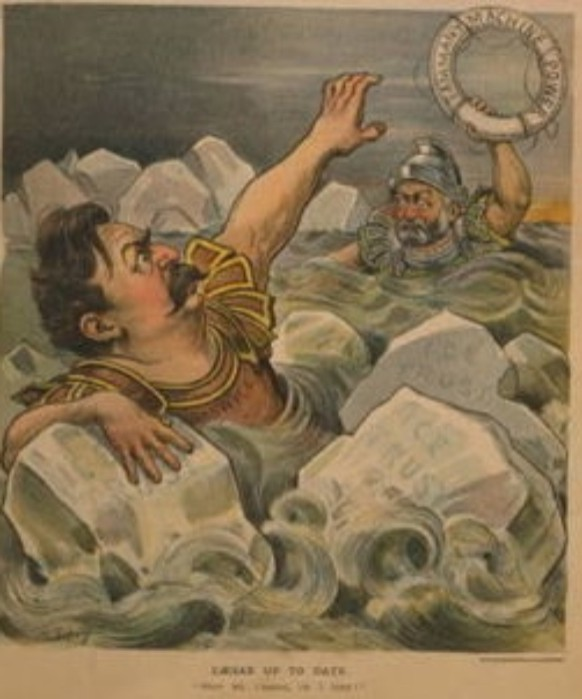
Despite his achievements, Van Wyck’s tenure was overshadowed by the Ice Trust scandal in 1900. This controversy painted him as a “spineless” mayor who was largely controlled by the Democratic Party bosses who had helped him secure his position.
The scandal began when the Ice Trust, a company that monopolized the city’s ice supply, announced plans to double the price of ice from 30 cents to 60 cents per 100 pounds. This was a significant issue in a city without widespread refrigeration, as ice was essential for preserving food, milk, and medicine. The proposed price hike would have been devastating for low-income residents and small businesses.
Public outcry forced the company to reverse its decision, and an investigation revealed that Van Wyck, despite earning an annual salary of $15,000 as mayor, owned $680,000 worth of Ice Trust stock. Although the investigation ultimately found no evidence of direct wrongdoing, the scandal tarnished Van Wyck’s reputation. The Democratic Party lost the 1901 election, ending his political career. Years later, The New York Times harshly criticized his administration, claiming it had “led the city into black mud and slime.”
Life After Politics
Following his political downfall, Van Wyck and his wife left the United States and settled in Paris. In 1918, at the age of 69, he passed away in the French capital. His body was returned to New York City and interred at Woodlawn Cemetery in the Bronx.
The Van Wyck Expressway and Its Pronunciation Controversy
The Van Wyck Expressway was constructed between the 1940s and 1960s under the leadership of Robert Moses, New York’s master planner. Moses named the highway after Robert Anderson Van Wyck. When questioned about the pronunciation, Moses famously retorted, “I’m Robert Moses. I can call it whatever I want.”
In the early 21st century, a debate arose about the proper pronunciation of “Van Wyck.” Some argue it should be pronounced “Van Wick,” while others insist on “Van Wike,” reflecting its Dutch origins. The Van Wyck family themselves advocated for the latter pronunciation. Linguists note that in Dutch, the correct pronunciation falls somewhere between the two options, with an emphasis on the “e” in “Wyk.”
Legacy of Robert Anderson Van Wyck
Robert Anderson Van Wyck was born and raised in New York City, spent most of his professional life as a lawyer, and briefly served as the city’s mayor during a transformative period. However, his career was abruptly halted by scandal. He spent his final years in Paris, but his resting place is in the Bronx—a borough that became part of the city he once governed.