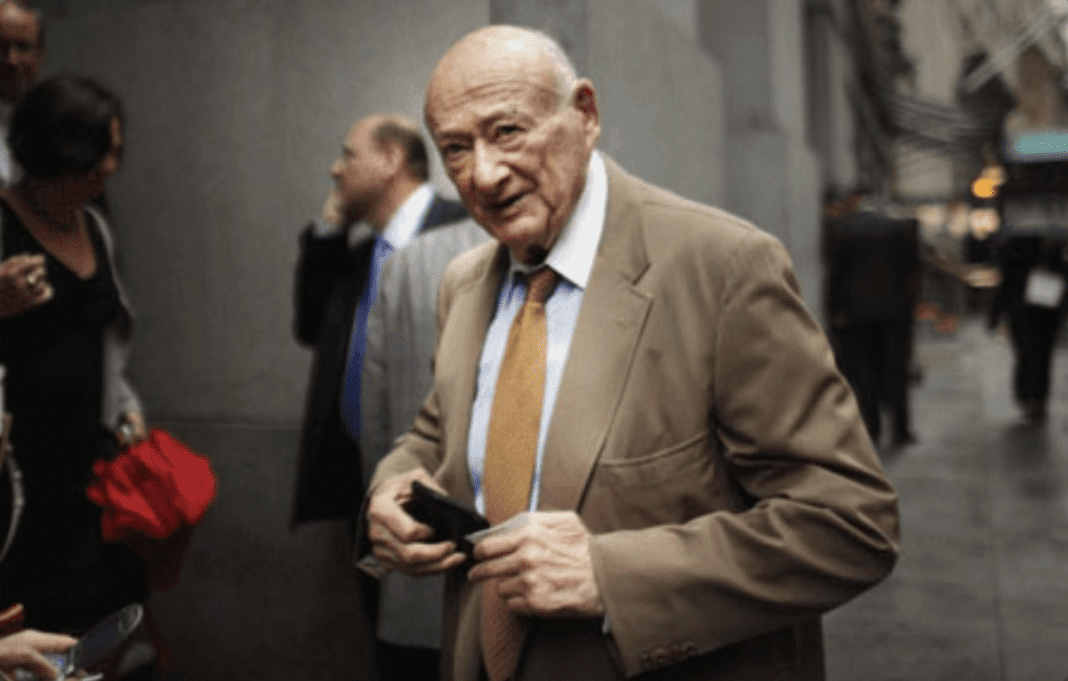

People always had a lot to say about Edward Koch. He was called arrogant, brash, ruthless, ambitious, and inconsistent. The politician was suspected of being gay, racist, and having ties to corrupt officials. But no matter what, he kept moving forward without stopping. He became the third mayor in New York’s history to secure three consecutive terms. And even after his political career ended, Koch was not one to retire. Television and radio host, author, journalist, critic, lecturer, actor—this is far from a complete list of the former mayor’s interests and pursuits. In this article on bronx-yes, we’ll introduce you to this multifaceted and vibrant personality.
From Hat Salesman to Influential Politician
Edward Irving Koch was born in the Bronx on December 12, 1924, to Polish Jewish immigrants who came to New York in the early 20th century. The family lived modestly, and in addition to Ed, the couple had two other children. His father was a furrier, but during the Great Depression, he was forced to move the family to his brother’s in Newark because business was so bad. Edward was nine years old at the time. He worked with his father and uncle in a store that sold coats and hats.
Ed graduated from high school in Newark. He was a calm, well-behaved young man who collected stamps and photographs. When his father saved up a little money, the family moved to Brooklyn, and Edward went to college in Manhattan. During his student years, he worked a part-time job as a shoe salesman.
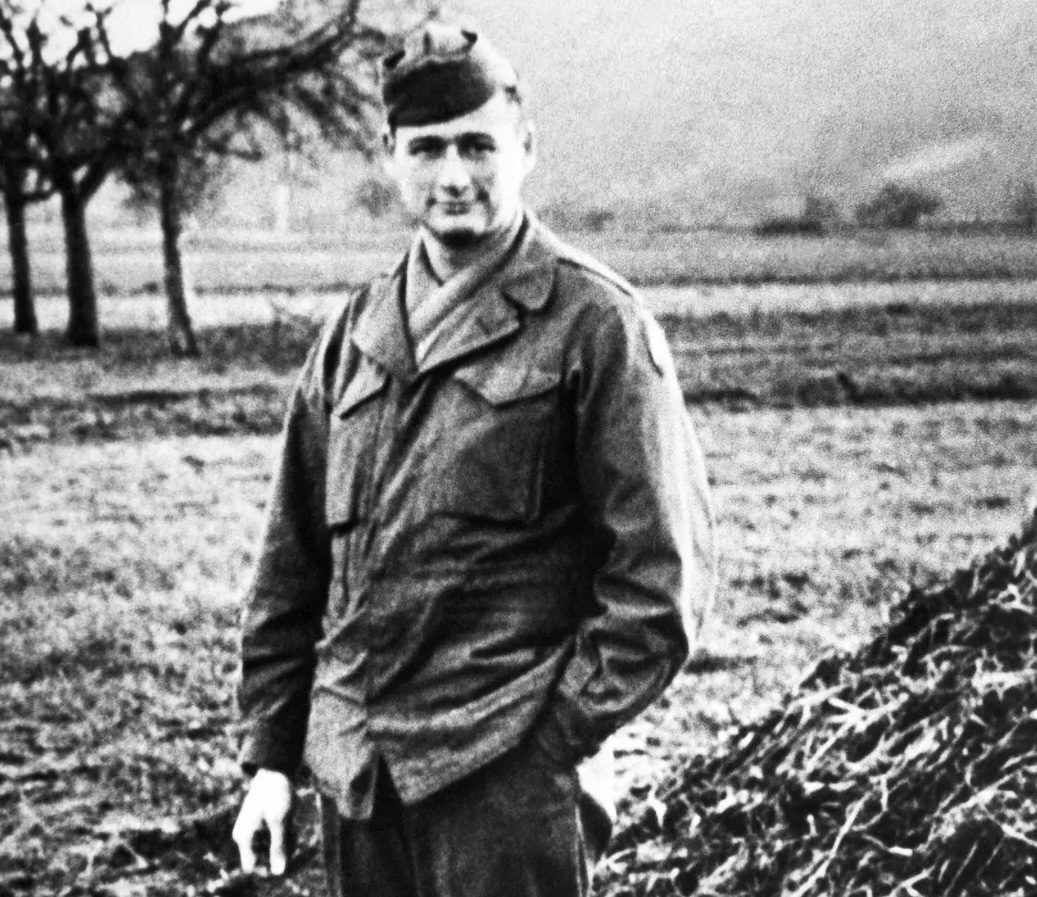
In 1943, he joined the army and was sent to Bavaria almost immediately because he spoke fluent German. There, he helped remove Nazis from government positions. In 1946, Edward Koch returned home with the rank of sergeant and enrolled at New York University’s law school. This was followed by a law degree and almost 20 years of legal practice.
Edward Koch entered politics in 1966 when he won a seat on the City Council as a liberal representative. Koch later headed the 18th district. During his years in Congress, from 1969 to 1977, Edward Koch established himself as an independent, fair-minded liberal who could work with conservatives. Koch supported tax reform, aid to Israel, solar energy research, federal funding for abortions, and social security. He worked extensively on improvements in public transportation, affordable housing, healthcare for the elderly, and consumer protection.
First Term
In 1975, the public was unhappy with how the current mayor, Abraham Beame, was trying to overcome the financial crisis. Time magazine’s cover that year featured Beame depicted as a beggar.
That’s when Edward Koch first considered making a major leap in his political career. Hiring consultant David Garth was a brilliant decision, as it was crucial to make a positive impression on voters and draw attention to the new face. Creating a more conservative image was not easy, as Koch had always positioned himself as a staunch Democrat, and he had neither a wife nor children.
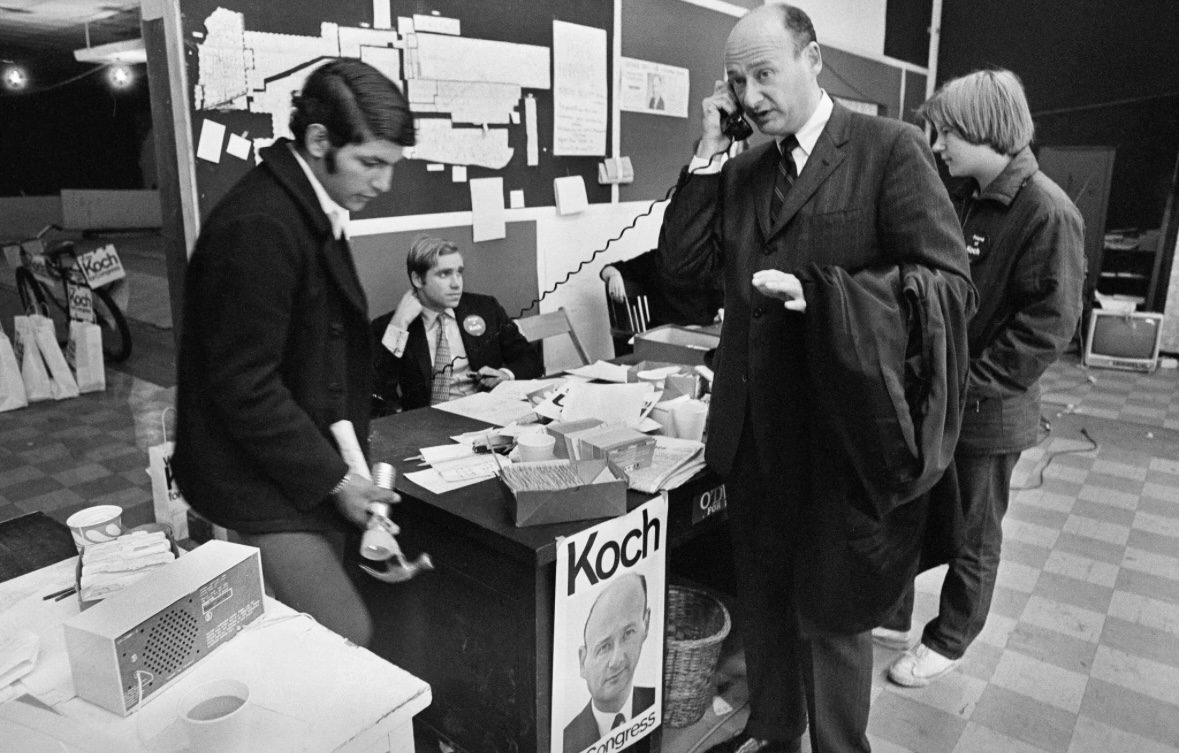
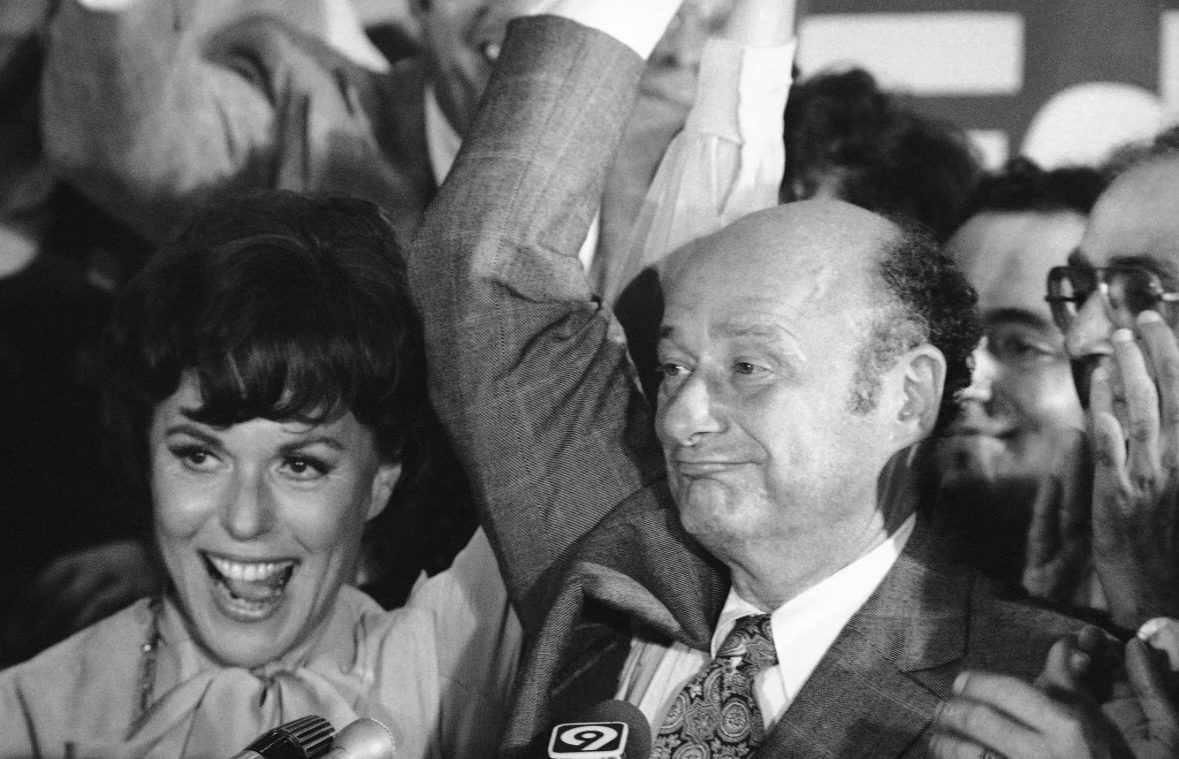
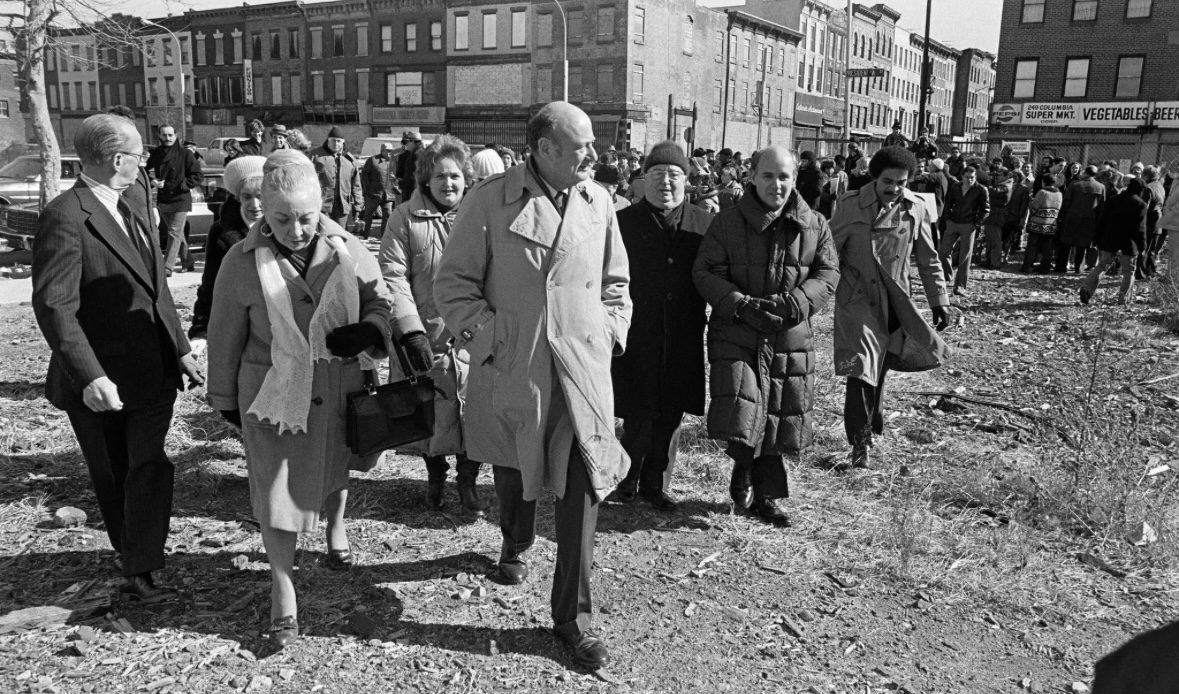
But David Garth worked his magic. In public, Koch often appeared with his friend and advisor Bess Myerson, a former Miss America and city consumer affairs commissioner. Edward Koch approached his campaign with great dedication, traveling to all parts of New York and talking to people. The new mayoral candidate openly criticized municipal unions and wasteful city spending, and he promised to do everything he could to fight crime. It worked—Koch was noticed, and people believed in him. In 1977, Edward Koch became the mayor of New York for the first time.
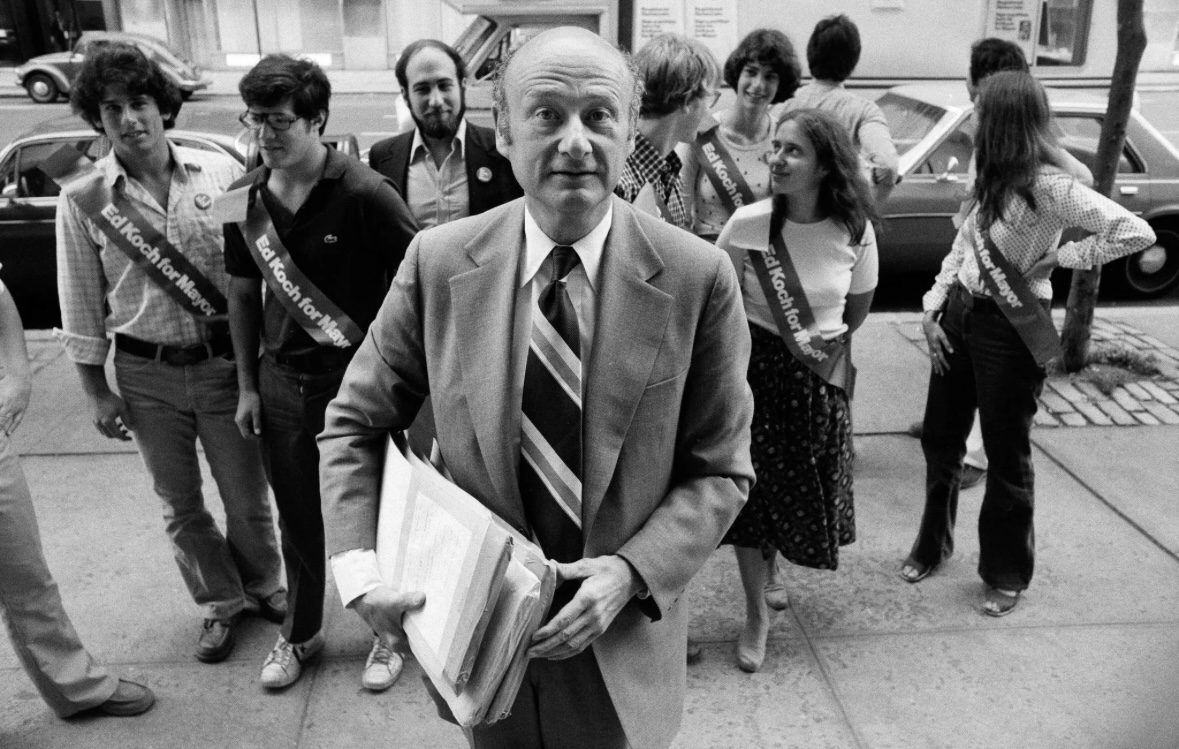
However, the euphoria of victory quickly turned to despair. Koch was faced with a $400 million budget deficit, a crisis in the stock market, a labor shortage, and a host of problems in the health, education, and public sectors.
Edward Koch worked day and night. In his first four years in office, he managed to significantly reduce the budget deficit, take on municipal unions, stop discrimination in city jobs, implement several programs to fight poverty, restore the city’s creditworthiness, revive a dying capital budget, begin work on much-needed repairs to bridges and streets, and reduce tensions between different New York boroughs.
Second Term
Given Edward Koch’s obvious success as mayor, it was no surprise that voters favored him in the 1981 election. He won with 75% of the vote and became the first mayor in the city’s history to be nominated by both Democrats and Republicans.
Over the next four years, Koch maintained the previous high growth rates in almost all sectors of the economy. He achieved incredible results—a budget surplus of $500 million, while at the beginning of his term, it was almost the same amount, but with a minus sign. Koch led a successful tax reform, improved and expanded municipal services, and developed plans for major housing programs, educational improvements, and other social projects.
But it’s not to say that Koch was loved by all New Yorkers. Sometimes his decisive actions affected the interests of various ethnic and social groups. Andy Logan once wrote in The New Yorker:
“Edward Koch has always been outspoken, leaving himself open to charges of heartlessness. At one time or another, he has provoked the wrath of Jews and Gentiles, businessmen and labor leaders, blacks and whites, feminists and male chauvinists. He could be petty, self-righteous, and a bully when his ideas or political ambitions were attacked, but Koch had extraordinary political instincts and a theatrical flair, and his outspokenness only reflected what was on the minds of many New Yorkers. In time, many New Yorkers, especially members of the middle class, began to appreciate his aggressive candor and to enjoy it.”
Third Term
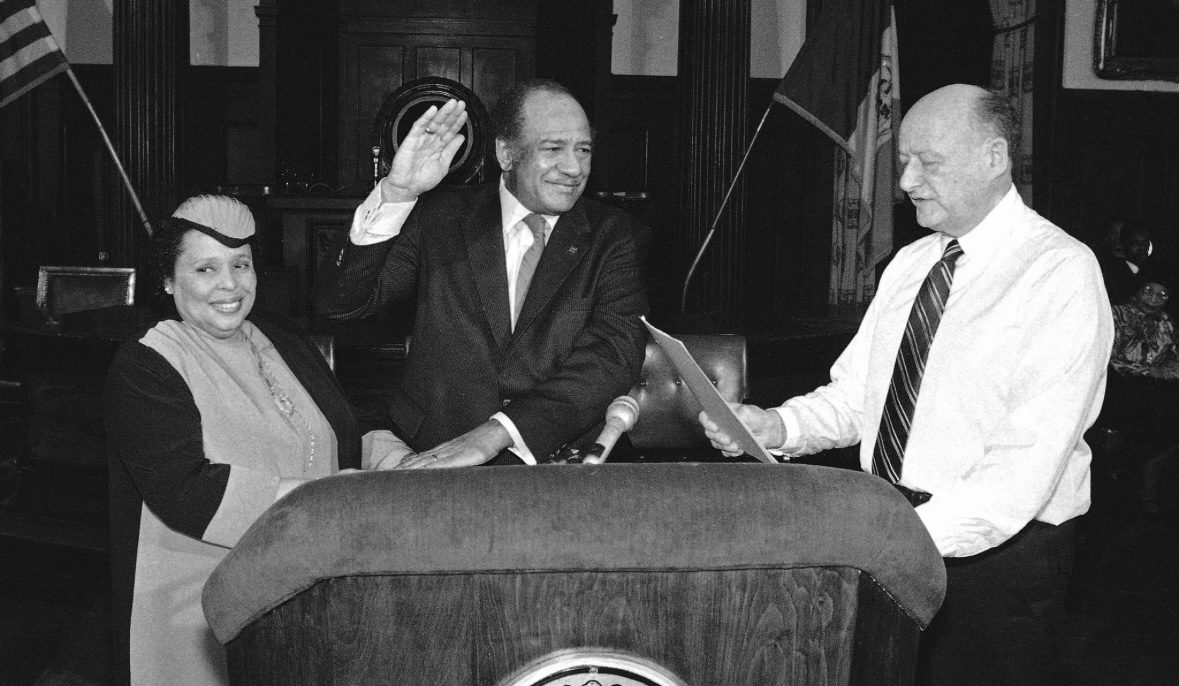
The “honeymoon” of Edward Koch’s rule lasted for two terms. He once again won the race easily (with 78% of the vote), keeping the mayoral seat and pursuing an ambitious program for his third term. Koch planned to improve education and social services, and allocate $5.1 billion to fight homelessness and housing shortages by building or renovating hundreds of thousands of apartments.
But in 1985, New York was hit by a wave of high-profile corruption scandals, accusations, and convictions for bribery and perjury. Two months after Koch’s inauguration, his ally Donald Manes, the Queens borough president, attempted suicide, and two months later, he made a successful second attempt. Prominent politicians, heads of state agencies, and officials were sent to prison. No charges were brought against Koch, but he lost control of the situation and didn’t know whom he could trust. He constantly served as a witness in court hearings and couldn’t focus on his work.
In addition to the problems in his administration, the city saw a sharp rise in homelessness, a spike in crime, and difficulties in the police sector. In 1987, the stock market crashed. This severely affected Koch; in the same year, he was hospitalized after suffering a stroke.
By the end of his third term, Edward Koch was very tired. He still ran for a fourth term, but everyone knew he had done all he could for New York and was ready to let him retire. They elected David Dinkins instead.
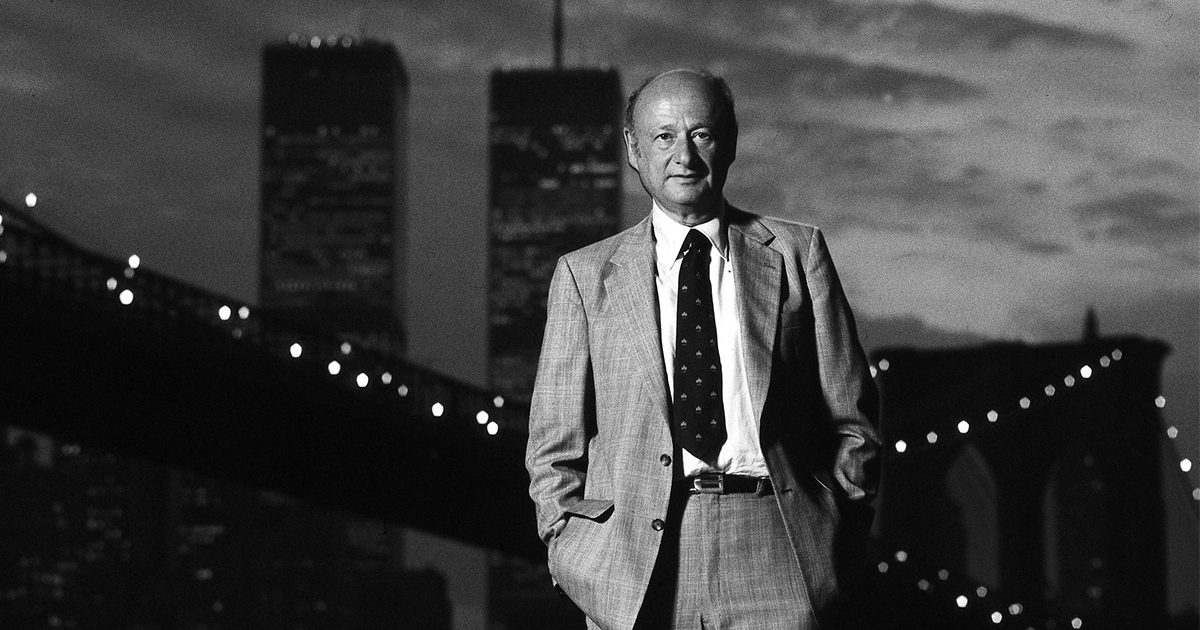
Edward Koch in Retirement
After stepping back from his responsibilities for New York’s fate, Edward Koch finally started living life to the fullest. He had a newfound energy and an insatiable zest for life. Here are just a few of the former mayor’s pursuits and interests that he dedicated himself to after his political career ended:
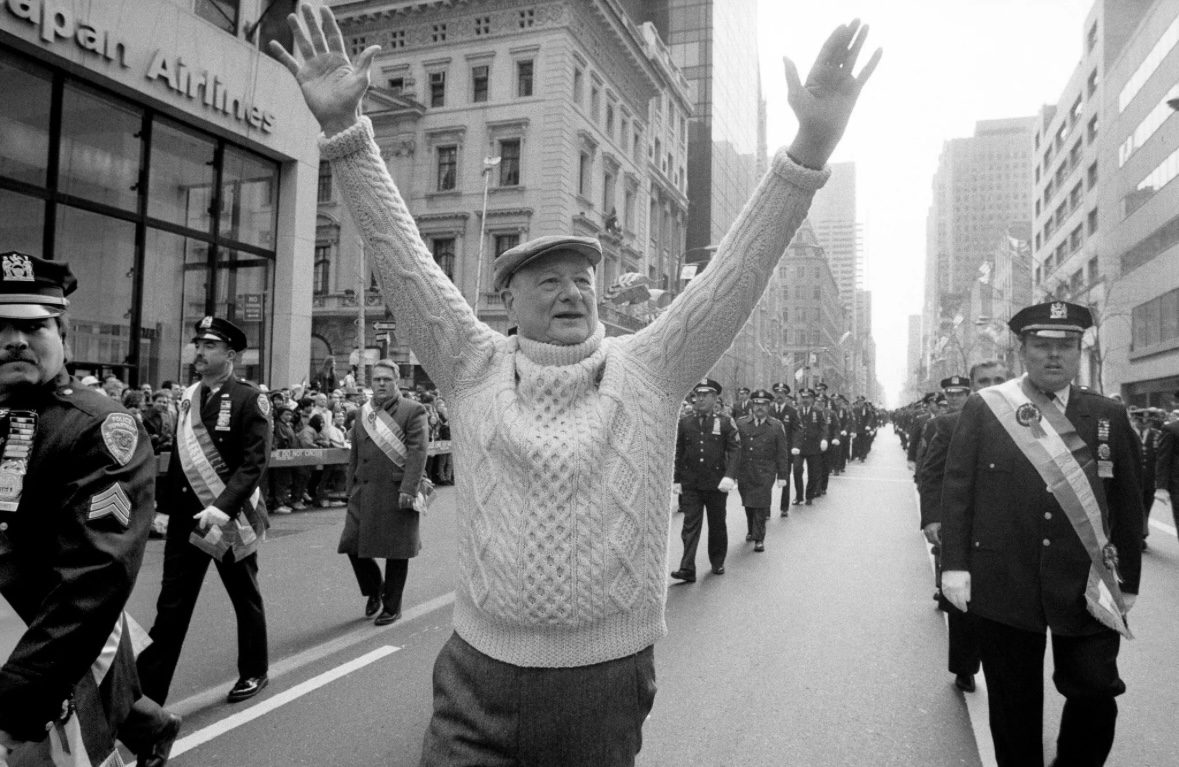
- Wrote columns for The Post, The Daily News, the online magazine Jewish World Review, and the website NewsMax.com.
- Wrote film and restaurant reviews for local weeklies.
- Appeared regularly on WCBS-TV and hosted a talk show on Fox television and on WNEW and WABC radio.
- Collaborated with former Senator Alfonse M. D’Amato on a Bloomberg Radio show.
- Was a frequent commentator on the local news station NY1.
- Appeared in the films The Muppets Take Manhattan and The First Wives Club, as well as in episodic roles in TV shows, including Sex and the City.
- Was the star of the Neil Barsky documentary Koch.
- Was a partner and advisor at the law firm Robinson, Silverman, Pearce, Aronsohn & Berman, which became the international law firm Bryan Cave after a merger in 2002.
- Lectured at New York University, Brandeis University, and Baruch College.
- Traveled all over the country as a speaker, talking about race relations, drugs, antisemitism, and more in talks titled “Koch on the City,” “Koch on the State,” or “Koch on Everything.”
- Was a judge on the nationally syndicated show The People’s Court.
- Wrote 17 books, including Mayor, Politics, All the Best: Letters from a Feisty Mayor, Ed Koch on Everything, and I’m Not Done Yet!.
- Co-wrote a children’s book with his sister Pat Koch Thaler called Eddie: Harold’s Younger Brother, which was published in 2004.
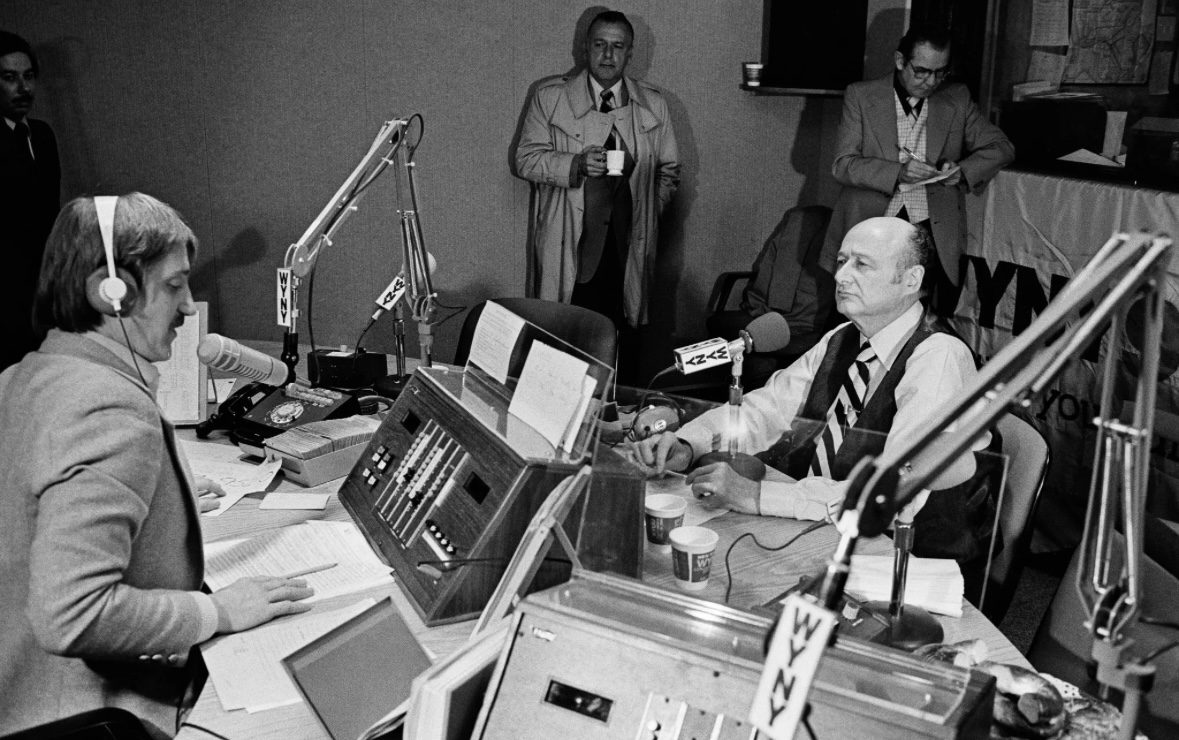
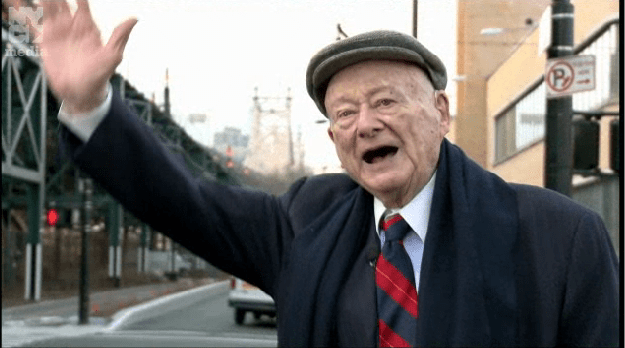
Even on the verge of his 85th birthday, Edward Koch led an active public life, supported Barack Obama in the presidential election, shook hands with Pope Benedict XVI, and even spoke openly about his burial plans. In 2008, The Times published an article with the headline, “Koch, who decided to spend eternity in Manhattan, buys a cemetery plot.”
Former Koch press secretary and advisor Maureen Connelly said:
“The city was and is his family. We used to worry about what would happen to Ed if he lost. We said it would be better if he just died in the saddle. But he was never going to get off the horse.”
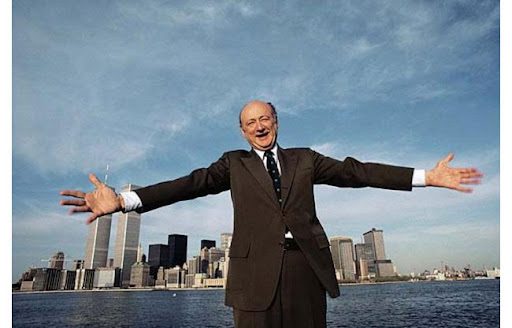
But the relentless Edward finally had to stop. He died on February 1, 2013, from heart failure at New York-Presbyterian Hospital.
Read about another prominent New York mayor—John Mitchell—in this article.