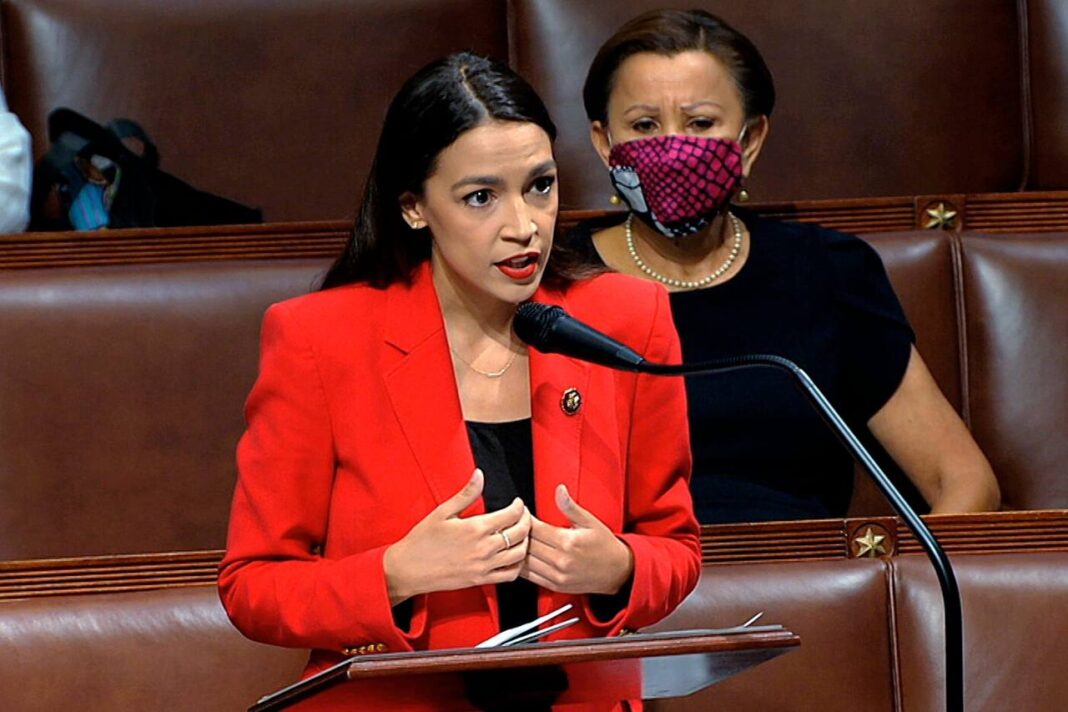

Alexandria Ocasio-Cortez, a Congresswoman from New York, became a national figure after her sensational victory in the 2018 elections. She’s a vocal advocate for social justice, climate action, and political system reform. Her charismatic style, bold initiatives, and active presence on social media have made her one of the most influential young politicians in the U.S. Learn more about her rapid career rise at bronx-yes.com.
Childhood and Education
Alexandria Ocasio-Cortez was born on October 13, 1989, in the Parkchester neighborhood of the Bronx, into a Catholic family. Her father was a second-generation Puerto Rican from the Bronx, a small business owner, and an architect. Her mother was born in Puerto Rico and worked as a domestic helper from childhood. The family also raised her younger brother, Gabriel.

When Alexandria was five, her parents decided to move to the suburb of Yorktown Heights in search of better public education for their children. Despite the new address, she frequently returned to the Bronx to visit her many relatives. Alexandria attended Yorktown High School, where she was known among friends and acquaintances as “Sandy.” Even in school, she showed an interest in science. In 2007, her microbiology research on the effect of antioxidants on lifespan earned her second place at the prestigious Intel International Science and Engineering Fair. Alexandria also participated in the Lorenzo de Zavala Youth Legislative Session of the National Hispanic Institute—a program that introduced young people to political processes.
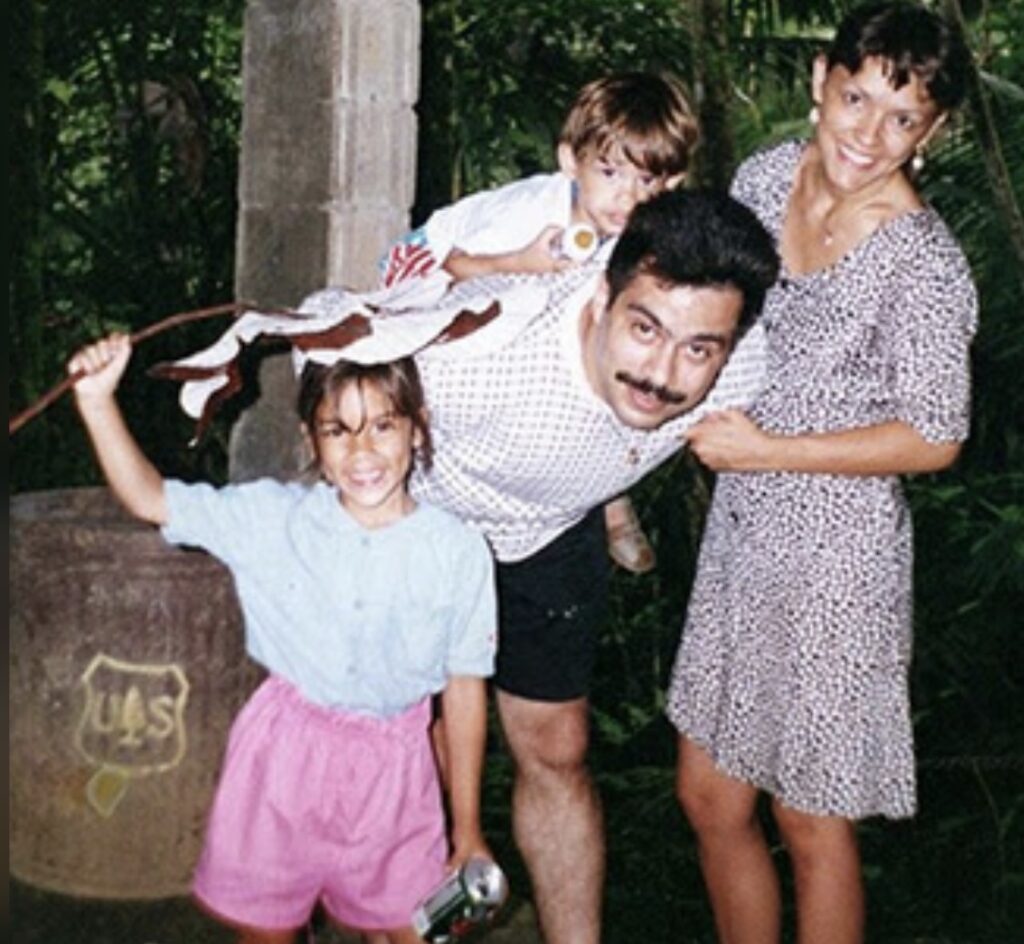
After high school, Ocasio-Cortez enrolled at Boston University, majoring in international relations and economics. During her sophomore year in 2008, her family experienced a tragedy—her father passed away from lung cancer. This loss was not only a personal shock but also a financial blow: medical expenses jeopardized the family home. Alexandria’s mother was forced to work as a school bus driver to avoid losing their home. Alexandria independently handled the legal aspects of the inheritance and later recalled this experience as an example of how unfair the legal system can be to ordinary people.
During her studies, she interned at Senator Ted Kennedy’s office. There, she was the only Spanish-speaking intern, making her an informal translator for people seeking help with immigration and deportation issues.
First Steps in Politics
To help her mother with the mortgage, Alexandria began working as a waitress and bartender in New York City establishments. This experience immersed her in the realities of working-class life and deepened her understanding of socio-economic issues—such as access to healthcare, housing, education, and dignified labor.
In 2016, Ocasio-Cortez volunteered for Bernie Sanders’ presidential campaign. She actively worked at various locations, organizing events and mobilizing voters. After the primaries, she didn’t stop her political activism; she traveled across the U.S. to see firsthand regions experiencing acute social crises. Inspired by this trip, Ocasio-Cortez seriously considered a career in politics. She had no political backing or large donors but already possessed the motivation, experience, and genuine belief in the possibility of change.

In 2017, Alexandria officially launched her campaign for a seat in the U.S. House of Representatives from New York’s 14th Congressional District. Her opponent was Joe Crowley—one of the most influential Democrats in Congress, chairman of the House Democratic Caucus, and an experienced congressman who had held the seat since 1999. He was known as the “King of Queens.”
Ocasio-Cortez’s campaign was entirely unconventional. She accepted no money from corporations and relied solely on small donations from ordinary people. Her campaign structure was flexible, non-hierarchical, and resembled a social movement more than a traditional political machine. Despite skepticism from political pundits and a lack of funds, Ocasio-Cortez gained support from progressive organizations, including MoveOn and Democracy for America, as well as young people, immigrants, and grassroots activists.
Historic Victory
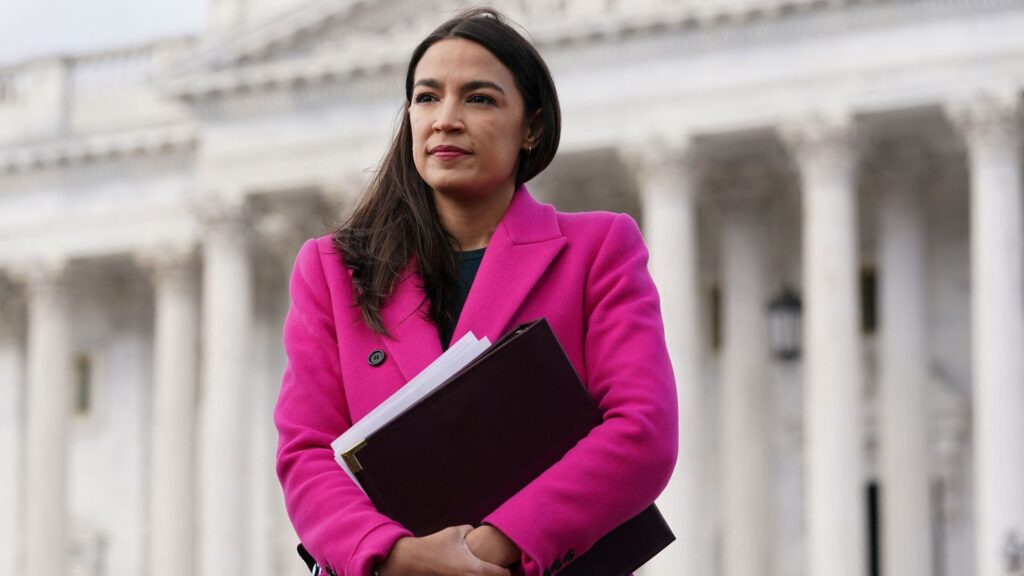
On June 26, 2018, the primary results stunned the political establishment: Alexandria Ocasio-Cortez secured a victory, winning 57.13% of the vote. Her success became a national sensation. She defeated an influential congressional veteran thanks to a campaign built on sincerity, community participation, and a clear social message: politics should work for people, not for corporations.
Following this victory, Ocasio-Cortez made history as the youngest woman ever elected to the U.S. Congress, and the first woman of Latino descent to represent New York’s 14th Congressional District.
In January 2019, Alexandria Ocasio-Cortez was officially sworn in as a member of the U.S. House of Representatives. Her first legislative action was the “Green New Deal” resolution, co-authored with Senator Edward Markey. The document proposed a 10-year national mobilization aimed at fundamentally transforming the U.S. economy to combat the climate crisis.

The resolution’s goals included:
- Creating millions of high-paying, union jobs;
- Modernizing American infrastructure;
- Reducing air and water pollution;
- Systemically addressing social, racial, and economic inequality.
During her first term, Ocasio-Cortez introduced 23 legislative acts, focusing on economic justice and social rights. These included:
- $5 million for opioid addiction treatment;
- $10 million for cleaning up toxic sites in Puerto Rico;
- A joint initiative with Senator Chuck Schumer—the Funeral Assistance Program, which became part of the COVID relief package. This program has already reimbursed over $1 billion to Americans who lost loved ones due to the pandemic.
“There are politicians who are very good at policy, there are politicians who are good communicators, and there are politicians who have a way of communicating that connects very well with ordinary people. Alexandria has all three of those characteristics,” said Senator Bernie Sanders about Ocasio-Cortez.
Second Term
In early 2021, Alexandria Ocasio-Cortez was re-elected to Congress for a second term. In March, Congress approved the “American Rescue Plan”—Biden’s initiative to address the consequences of the COVID-19 pandemic. Alexandria, along with other progressive politicians, pushed for the inclusion of important provisions, including the expanded child tax credit that families received monthly.

By the end of 2021, Alexandria Ocasio-Cortez had co-authored or authored over 30 amendments to bills, including doubling funding for replacing lead water pipes in schools and kindergartens, and prohibiting the transfer of weapons to Saudi Arabian special forces implicated in the murder of journalist Jamal Khashoggi. She also assisted in the evacuation of Afghans after the fall of Kabul, calling for an increase in refugee quotas to 200,000.
By 2022, Alexandria Ocasio-Cortez had co-authored or authored over 100 legislative initiatives, 15 of which became law.
In 2022, star soccer player Megan Rapinoe said: “Alexandria Ocasio-Cortez has fundamentally shifted the idea of what a modern politician can be, where they can come from, and how they can fight for what they believe in.”
Key Achievements 2023-2025
From 2023–2025, Congresswoman Alexandria Ocasio-Cortez continued to actively champion progressive initiatives in the U.S. Congress, focusing on housing, climate, financial justice, and human rights. Among her main programs and projects are:
- The Homes for All Act, a bill that proposes building up to 1.3 million affordable housing units nationwide.
- A bill proposing to limit annual credit card interest rates to 10%. This initiative aims to combat the rising debt of Americans, which has reached a record $1.2 trillion.
- The High Court Gift Ban Act, which restricts judges from accepting gifts.
- A visit as part of a group of Democratic members of Congress to Brazil, Chile, and Colombia with the aim of improving U.S. relations with Latin America. The delegation met with the presidents of these countries and civil society representatives, discussing environmental issues, democratic transformations, and peace negotiations.
- Requests for funding for 15 community projects in her district, including the creation of a youth center in the Bronx and the renovation of the Variety Boys & Girls Club in Queens. These projects are aimed at improving education, safety, and well-being in local communities.
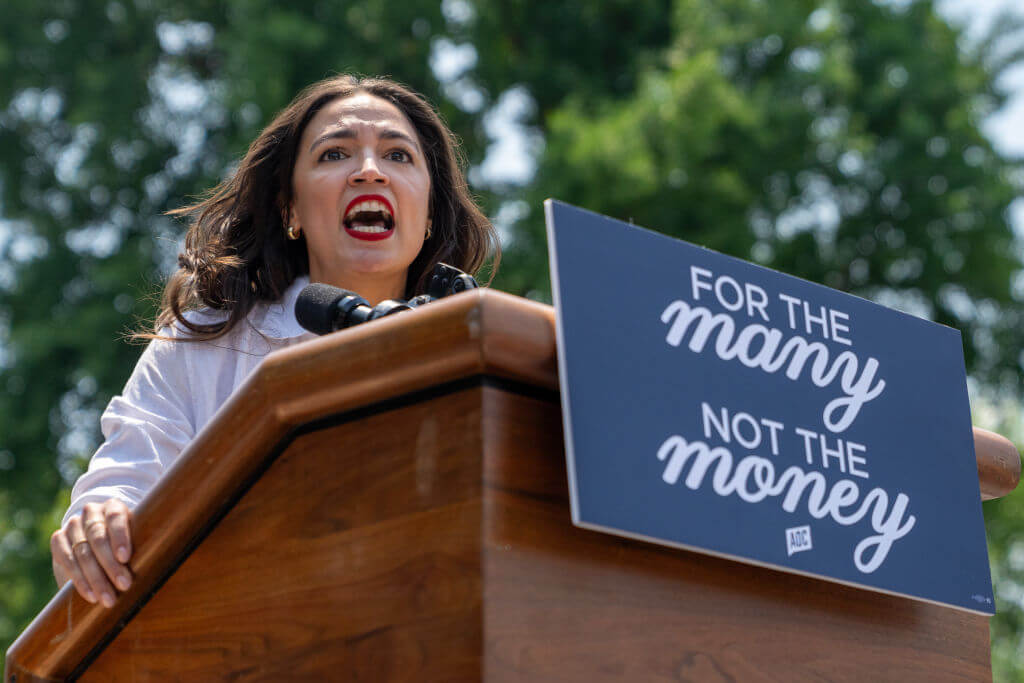
In 2025, Alexandria Ocasio-Cortez, along with Senator Bernie Sanders, launched the “Fighting Oligarchy Tour,” aimed at countering oligarchy and corporate influence in U.S. politics. The tour includes rallies, speeches, and the promotion of initiatives such as universal healthcare and a wealth tax.