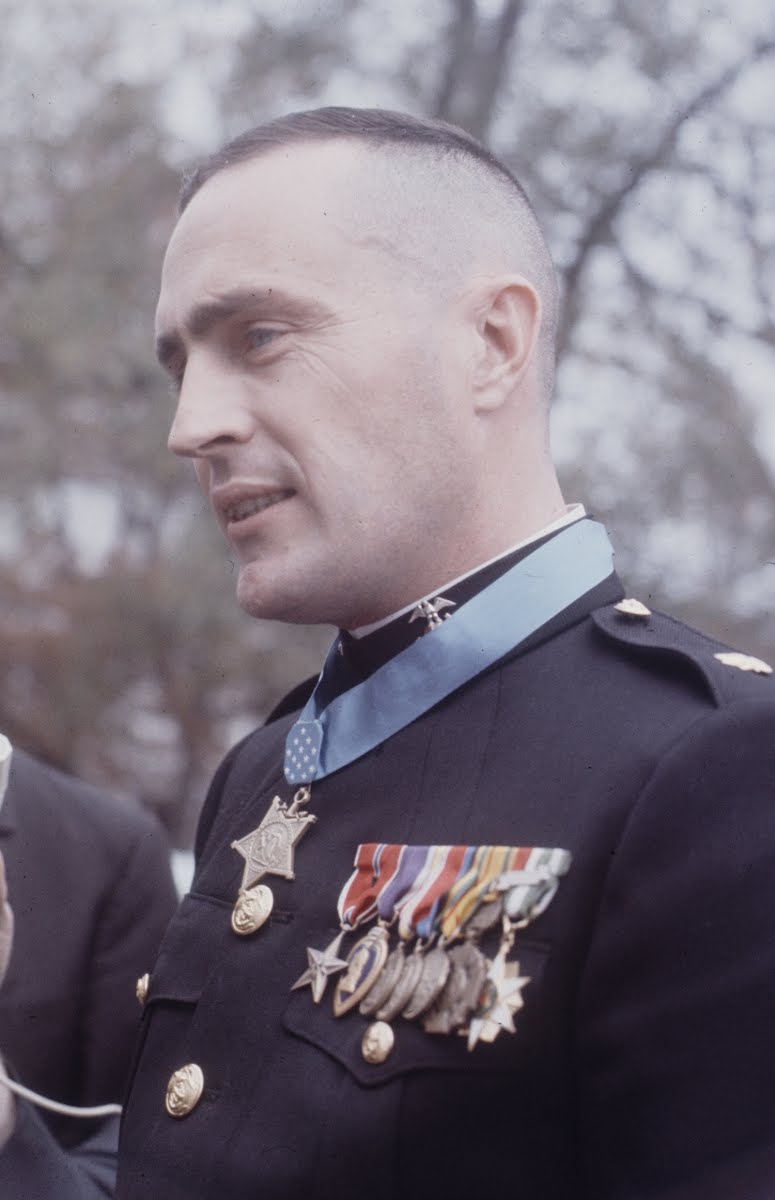

Heroes aren’t born—they are made. Such was the case for Howard V. Lee, a Bronx native and U.S. Marine Corps officer whose extraordinary valor in Vietnam earned him lasting recognition. His story is shared by bronx-yes.
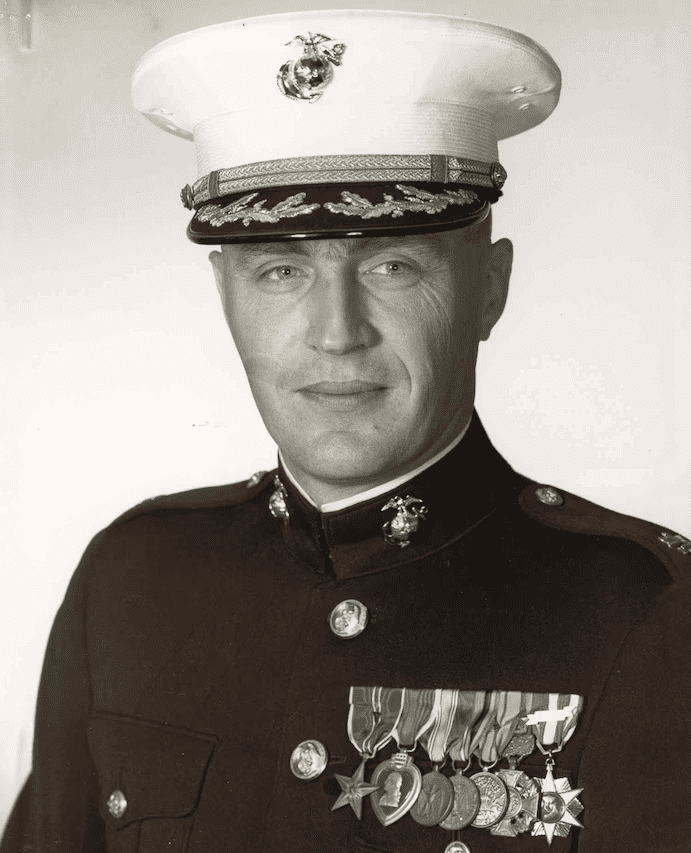
Howard V. Lee – An Ordinary Guy from the Bronx
As noted by washingtonpost, Howard V. Lee was born in the Bronx on August 1, 1933, during the waning days of the Great Depression. His mother was a homemaker, as widespread unemployment had left many able-bodied workers without jobs. His father, however, worked as part of New York City’s mounted police division.
Howard spent his childhood in the Bronx, and later pursued higher education in Manhattan at Pace College (now Pace University). He graduated in 1955 with a bachelor’s degree in business administration, aiming to become an accountant.
Alongside his education, Howard decided to enlist in the military to fulfill his duty to his country. At the time, World War II had recently ended, and the Korean War was still ongoing, with the United States heavily involved. After completing his initial service without being deployed to active war zones, he was commissioned as a second lieutenant in the Marine Corps Reserve. However, the camaraderie, discipline, and traditions of military life persuaded him to pursue a full-time career in the armed forces.
A Career in the Military
In September 1955, Howard began officer candidate training at the Marine Corps School in Quantico, Virginia—a site also known as the FBI’s central training base. He continued his training at the Marine Corps Supply School in Camp Lejeune, North Carolina, and later served in the Marine Corps Supply Section in Philadelphia.
Over the following years, his assignments changed rapidly. He transitioned from field inspection officer and auditor to first lieutenant. By 1958, he was stationed at Camp Pendleton in California, serving with the 1st Reserve Battalion and commanding a platoon in the 3rd Infantry Division. From 1960, he served as a Marine Corps security officer in Maryland. In July 1961, he was promoted to captain and became an instructor at the Marine Corps School in Quantico, where he remained until 1964.
The next two years saw him return to Camp Lejeune as a company commander and serve aboard the transport ship USS La Salle in the Dominican Republic. Then came the pivotal chapter of his career: Vietnam.
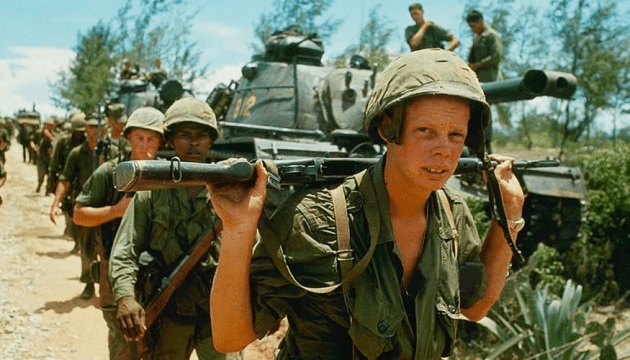
Vietnam
In April 1966, Captain Howard V. Lee was deployed to Vietnam as the commander of Echo Company, 2nd Battalion, 3rd Marine Division. At just 33 years old, he found himself leading his troops from a base in Dong Ha.
On August 8, 1966, one of his platoons was sent on a reconnaissance mission but came under heavy enemy fire. The platoon became surrounded on a hill, outnumbered by communist Vietnamese forces. While half the platoon was evacuated, the other half remained as their helicopter was shot down. Ten Marines continued to hold their ground.
Captain Lee decided to intervene. Arriving by helicopter, he assessed the dire situation: the enemy forces were advancing, and his men were running low on ammunition. He ordered the helicopter pilot to lower altitude and leapt to the ground. Immediately upon landing, Lee was wounded in the ear. Despite his injury, he discovered that the platoon commander had been killed and a resupply helicopter had failed to land due to the intense enemy fire.
Taking charge, Captain Lee moved between positions, dodging machine-gun fire while rallying and encouraging his Marines. During this time, he was further injured by a grenade blast, which left shrapnel embedded in his body and temporarily blinded him in one eye. Despite the pain and limited mobility, Lee coordinated the defense from his position, directing helicopters to drop supplies without landing.
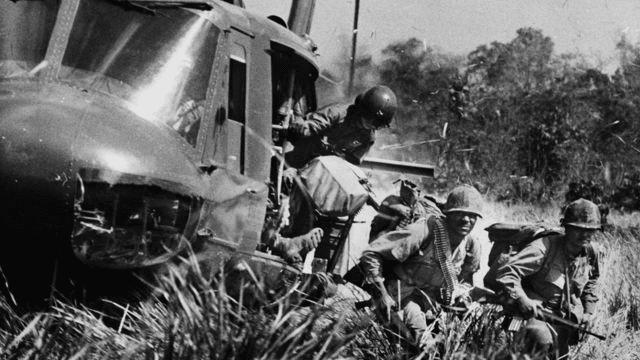
For six grueling hours, Lee held the line. By morning, air support arrived, helping to repel the enemy and stabilize the situation. When Captain Lee finally lost consciousness from blood loss and exhaustion, his men had managed to hold their ground. The enemy retreated, leaving 37 of their own dead. Captain Lee and his surviving troops were evacuated.
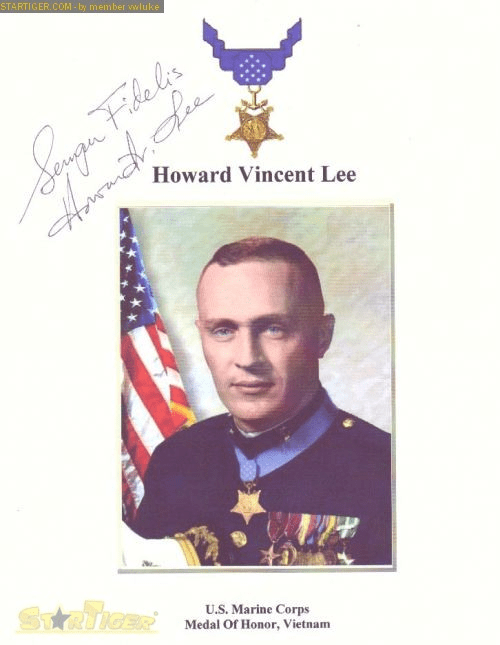
Recognition for a Hero
While still recovering in the hospital, Captain Lee was informed that President Lyndon B. Johnson had awarded him the Medal of Honor, the nation’s highest military decoration. The ceremony took place at the White House on October 25, 1967.
The citation commended his extraordinary leadership, valor, and resolve, which saved his men from capture and inflicted significant losses on the enemy. It highlighted his indomitable fighting spirit, exemplary leadership, and unwavering courage, all in keeping with the traditions of the Marine Corps.
After recovering, Howard returned to Vietnam in 1970. Following five years of service in the region, he retired with the rank of lieutenant colonel.
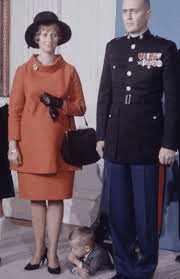
The Later Years of a Bronx Hero
In retirement, Howard initially sold cars and worked in manufacturing, though these jobs brought him little satisfaction. His life took a new turn when he began gardening. According to his son Michael, Howard had the worst yard on his street, so he hired a friend to help him clean it up. This experience sparked a passion for landscaping.
Howard enrolled in Tidewater Community College, earning an associate degree in horticulture. He began volunteering as a landscaper, mowing lawns and pulling weeds, a simple yet fulfilling activity. Michael recalled that his father’s joy stemmed from the freedom to work on his own terms, far from the burdens of the world.
Howard believed strongly in helping veterans struggling with post-traumatic stress disorder and reintegration into civilian life. His newfound vocation inspired his son Michael to follow in his footsteps, serving in the Marine Corps and retiring as a colonel.
Howard retired from landscaping in 1995. A shrapnel fragment in his chest caused ongoing discomfort throughout his life. His wife, Jean Daniels, passed away in 2006, and Howard himself died in 2019 at the age of 85. He is survived by his four children—Edward, Linda, Michael, and Laura—along with nine grandchildren and four great-grandchildren.
In an interview for the book Medal of Honor, Howard emphasized that the medal represents the sacrifice of those who didn’t return. “It’s not a personal honor,” he said, “but a tribute to the fallen. It’s worn for them.”