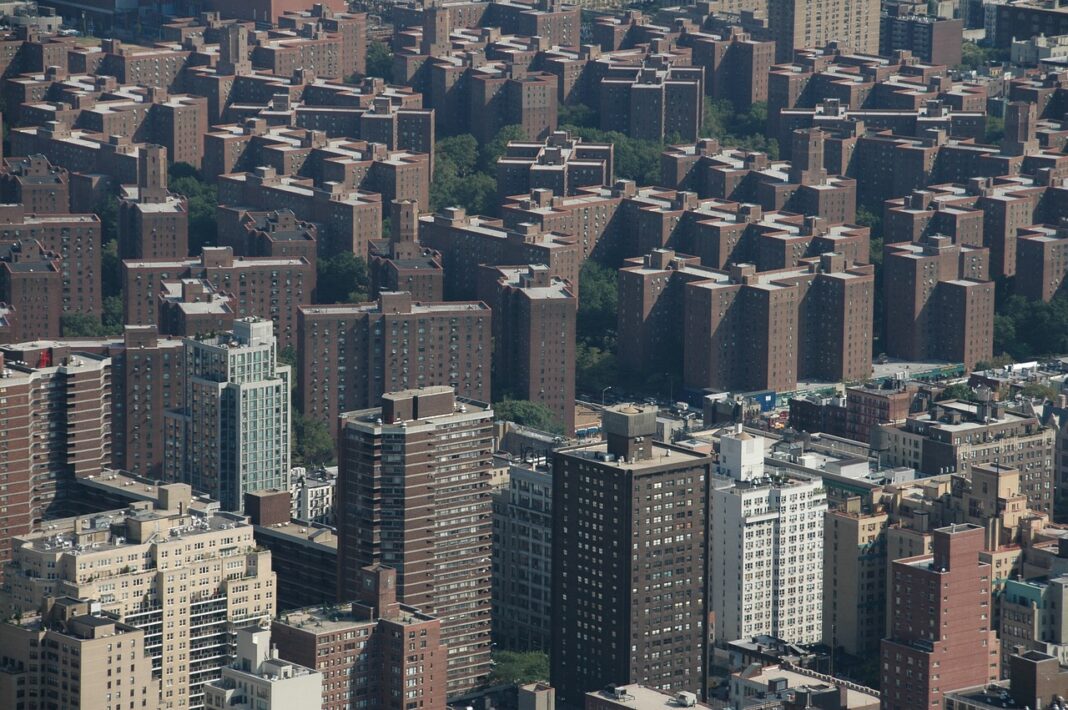

The history of a city’s development is inherently tied to the policies enacted by its leadership. This article delves into the growth and transformation of the South Bronx during the 19th and 20th centuries, examining the factors that influenced its population growth, housing development, and transportation network. The publication bronx-yes provides more details on this topic.
Where Is the South Bronx?
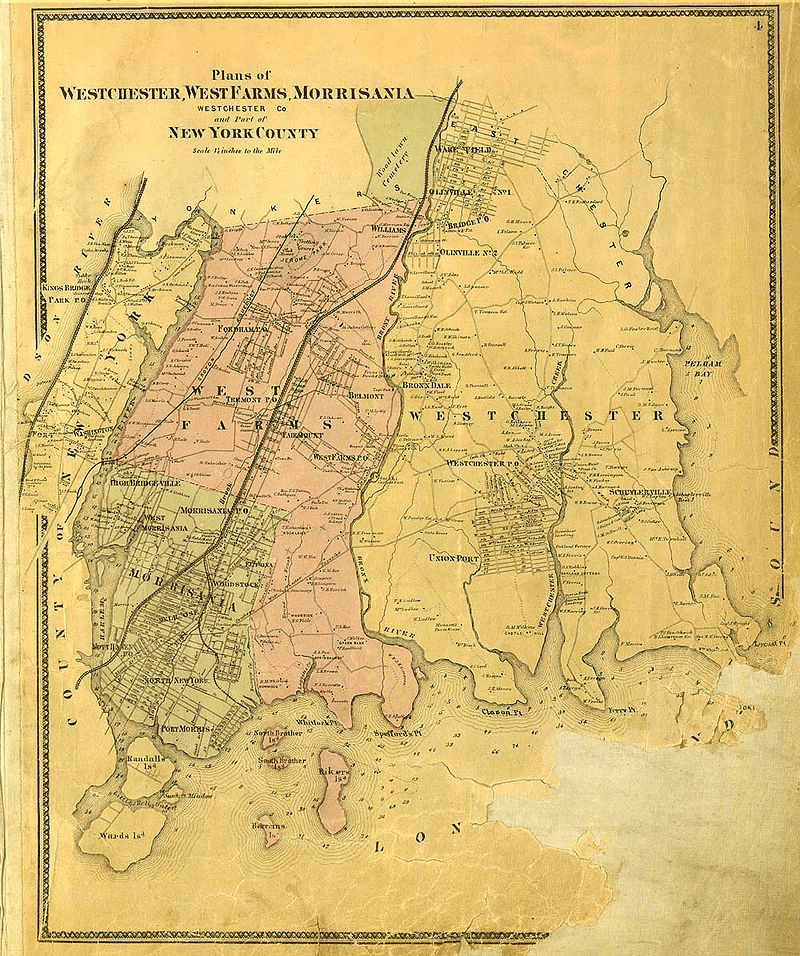
According to wp.nyu.edu, the Bronx is divided by the Bronx River into two sections: the Western and Eastern (or Northern and Southern) Bronx. Historically, the South Bronx includes the central and southern parts of Yonkers (later renamed Kingsbridge), Morrisania, and West Farms. In 1874, this area became part of New York City and was often referred to as the “Annexed District.”
Development of the Bronx in the 19th Century
Historians suggest that the Bronx’s history began in the early 1840s when the New York-Harlem Railroad was constructed in the lower part of Westchester County. Around the same time, West Farms and Morrisania were established and rapidly populated in 1846 and 1855, respectively. Over the following years, the area continued to expand, creating a new suburb of New York City. The advent of the IRT Third Avenue Line in 1886, connecting Manhattan to the Bronx, further accelerated settlement and development in the southern Bronx.
Historian Peter Derrick noted that improved transportation enabled New York to integrate remote areas, creating new residential neighborhoods for workers commuting to Manhattan. Over the next 20 years, the Bronx’s population grew nearly fivefold, particularly along the Third Avenue Line. This population growth propelled New York into the ranks of the world’s first megacities.
Development of Hunts Point-Crotona Park
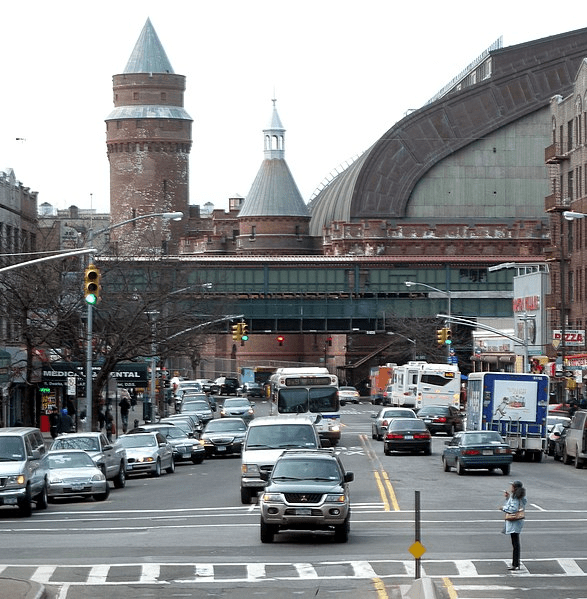
Hunts Point-Crotona Park, a region in the South Bronx, had a distinctly agricultural character in the 19th century, with estates owned by families such as the Spoffords and Fayles. The area lacked urban infrastructure and public transit. This changed in 1905 with the introduction of the subway, which sparked a building boom. Housing developments sprang up along both sides of the subway line, primarily five- and six-story buildings on Southern Boulevard, Charlotte Street, Freeman Street, and Fox Street. The population mainly consisted of Irish and German immigrants.
By the early 20th century, Hunts Point-Crotona Park became home to many Americans living in apartment complexes and small flats. These structures were an extension of the typical housing found in the Lower East Side, but they were better constructed and more spacious, thanks to new building laws enforced by the authorities. As a result, the population of Hunts Point-Crotona Park grew from 19,000 in 1905 to 153,000 in 1920. Alongside Irish and German residents, Eastern European immigrants, including impoverished Russians and Jews, also settled in the area.
Hunts Point-Crotona Park was considered a desirable place to live during the early 20th century. Affordable and decent housing, combined with convenient and inexpensive transportation to Manhattan, attracted a middle-class demographic. However, this gradually changed, and the area transformed into a working-class and impoverished neighborhood.
Changes in Hunts Point-Crotona Park in Subsequent Decades
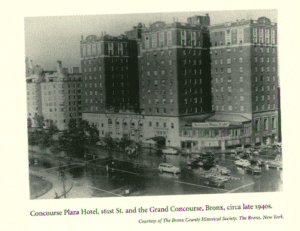
Starting in the 1920s, the area underwent significant changes. The Great Depression struck, leading to an exodus of Jewish residents to neighborhoods like Tremont, Pelham Parkway, and the Grand Concourse. The South Bronx began to attract working-class and lower-middle-class residents.
This shift also gave rise to left-wing political movements inspired by Jewish socialist ideals and workers’ rights activism. Protests against rising rents, demonstrations outside government buildings, clashes with police, and landlords became common. These movements resulted in initiatives such as the Workers Cooperative Colony, known as “The Coops,” and the Citywide Tenants League formed to combat evictions.
During the 1930s and 1940s, the South Bronx fell further into decline. Banks ceased issuing loans for housing repairs or new construction. The area’s poverty led to neglected maintenance, deteriorating buildings, and increased sales of properties to absentee landlords who failed to pay taxes. As a result, the once-thriving neighborhood faced widespread decay.
The South Bronx After World War II
The post-war era worsened the financial struggles of South Bronx residents. Housing once considered comfortable became less desirable compared to newer developments in other boroughs and suburbs. The white middle class relocated to suburban areas, while the South Bronx became home to Latin American and African American communities.
Robert Moses and Policy Changes in the South Bronx
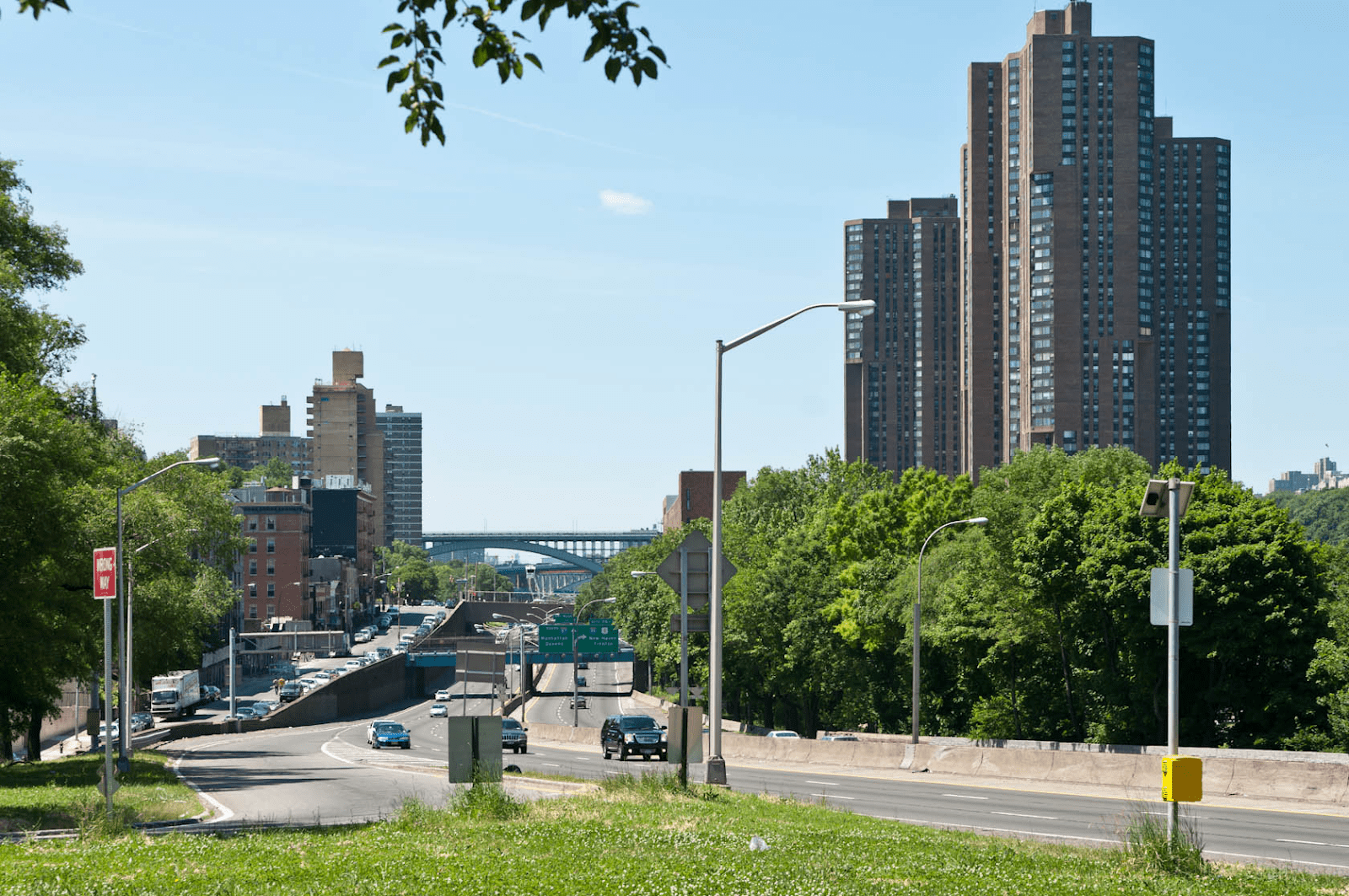
The 1950s saw the implementation of policies by Robert Moses, a prominent urban planner and coordinator of New York’s construction projects. Moses displaced tenants from Spanish Harlem and the South Bronx to make way for highways and public housing. This backfired, as state-built housing exacerbated overcrowding and segregation. The South Bronx increasingly housed Puerto Rican and African American residents.
Moses’s Cross Bronx Expressway further disrupted the area, destroying established neighborhoods and forcing thousands of residents to relocate. This economic strain affected landlords, businesses, and the community, as the area increasingly became a haven for impoverished populations from Latin America and the Caribbean.
By 1960, a quarter of South Bronx residents relied on government welfare. Poverty, racial tensions, crime, and social strife among immigrants plagued the area. The resulting instability led landlords to abandon or even destroy properties for insurance payouts. Between the 1970s and 1980s, the Bronx lost nearly 20% of its housing stock.
Urban Policies in the South Bronx
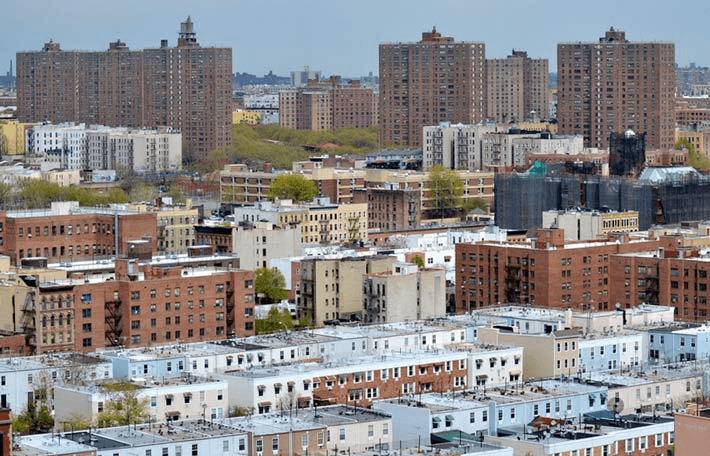
The 1960s introduced initiatives like the “Model City” program and other measures aimed at revitalizing the Bronx. However, these efforts failed due to inconsistency and poor coordination. The actions of mayors like Ed Koch and Herman Badillo in the 1970s also proved ineffective.
Meaningful progress began in the 1980s, driven by city officials and grassroots activists. New housing developments were constructed, creating livable homes. Rehabilitation centers, daycare facilities, clinics, and English language courses were established, fostering hope for a better future in the South Bronx.