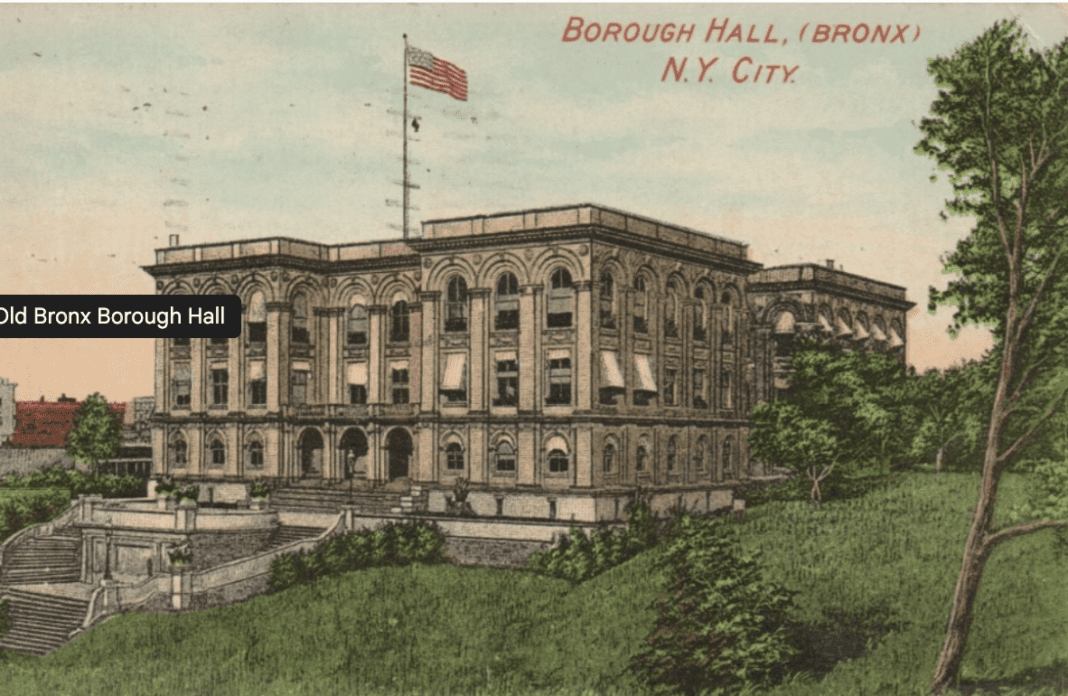

Among all the boroughs of New York, only the Bronx does not have its own separate administrative building for the office of the district President and other public institutions. There is no City or Borough Hall. The President and administrators work in the Bronx County Courthouse. Until 1969, there was a city hall here. Today, only a majestic, imposing staircase remains from it. However, at the beginning of the 20th century, the Old Bronx Borough Hall building was one of the landmarks of the Bronx, a true architectural masterpiece and decoration of the city. Learn more about the history of its construction, periods of prosperity and decline on bronx-yes.
Construction background
In the 1870s, about 40,000 residents lived in the Bronx. The area developed very quickly and the population more than doubled in 20 years. This was facilitated by the gradual annexation of the western part of the borough to New York City in 1874 and the eastern part of the modern Bronx in 1895. In addition, several waves of immigrants to these lands significantly increased the population.
The city government could no longer control and manage such a large territory and number of people. New requests were constantly coming in, requiring the allocation of separate departments and services to solve them. The system needed significant expansion and re-profiling.
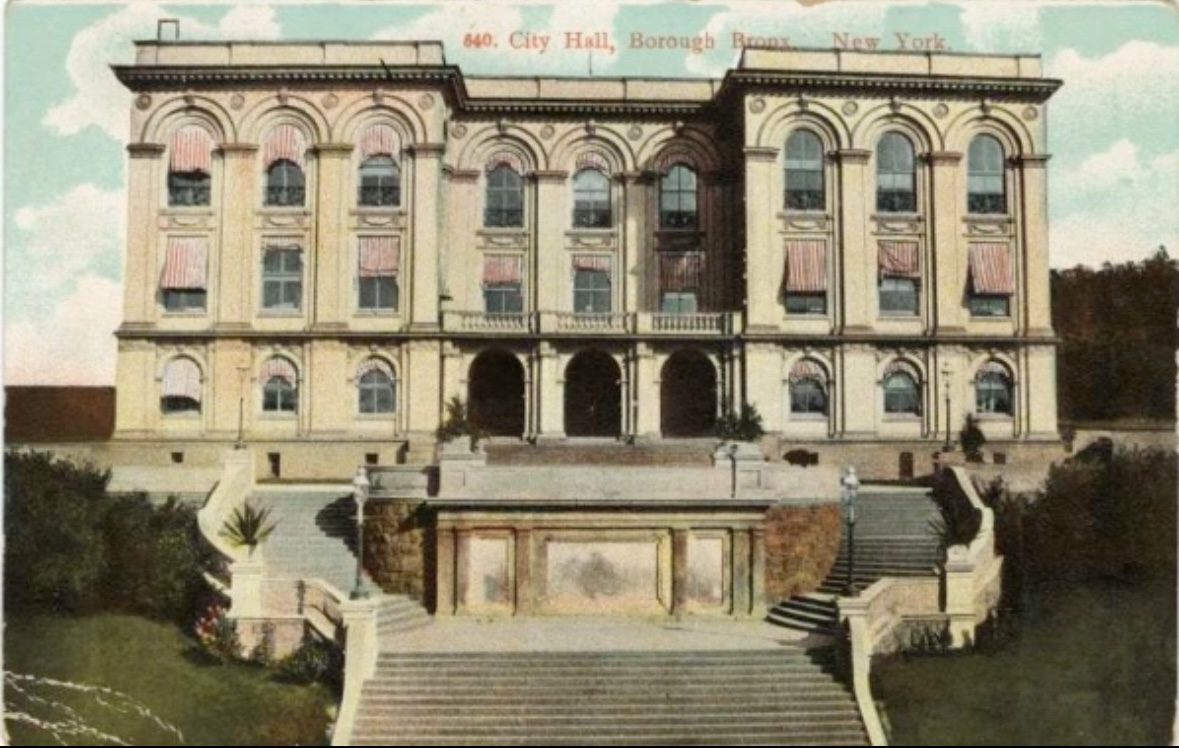
In 1891, the first county official was elected, namely the street improvement commissioner. He created his own department, hired workers and began working, making the streets of the Bronx convenient and safe for city residents. Then, new departments, divisions and government programs began to appear. At that time, the population of the Bronx had grown to 200,000 people. It was necessary to unite all institutions under one roof to create a single working mechanism of management and power. Therefore, it was decided to begin construction of the Bronx Municipal Building. The author of the project was George B. Post, a prominent New York architect. Construction was completed in 1897. A year later, the building was renamed Bronx Borough Hall when the other three Bronx boroughs were finally annexed to New York.
The first to enter the Bronx Borough Hall was the first president of the Bronx, Louis F. Haffen.
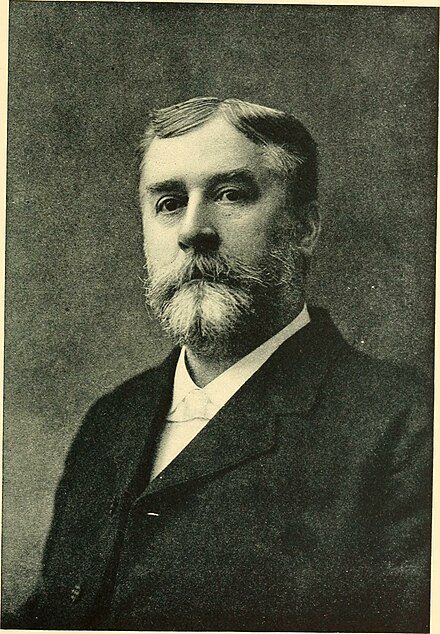
Read the article about the current, 14th president of the Bronx.
Features of architecture and location
The Bronx Borough Hall building had a surprisingly good location. While the Bronx had not yet begun to be built up en masse, the architect chose a wonderful place for the city hall. It was the top of a rocky plateau in the northwestern part of modern Tremont Park, which was originally a continuation of Crotona Park. The magnificent view of the city and the picturesque surrounding area inspired officials to fruitful and active work.
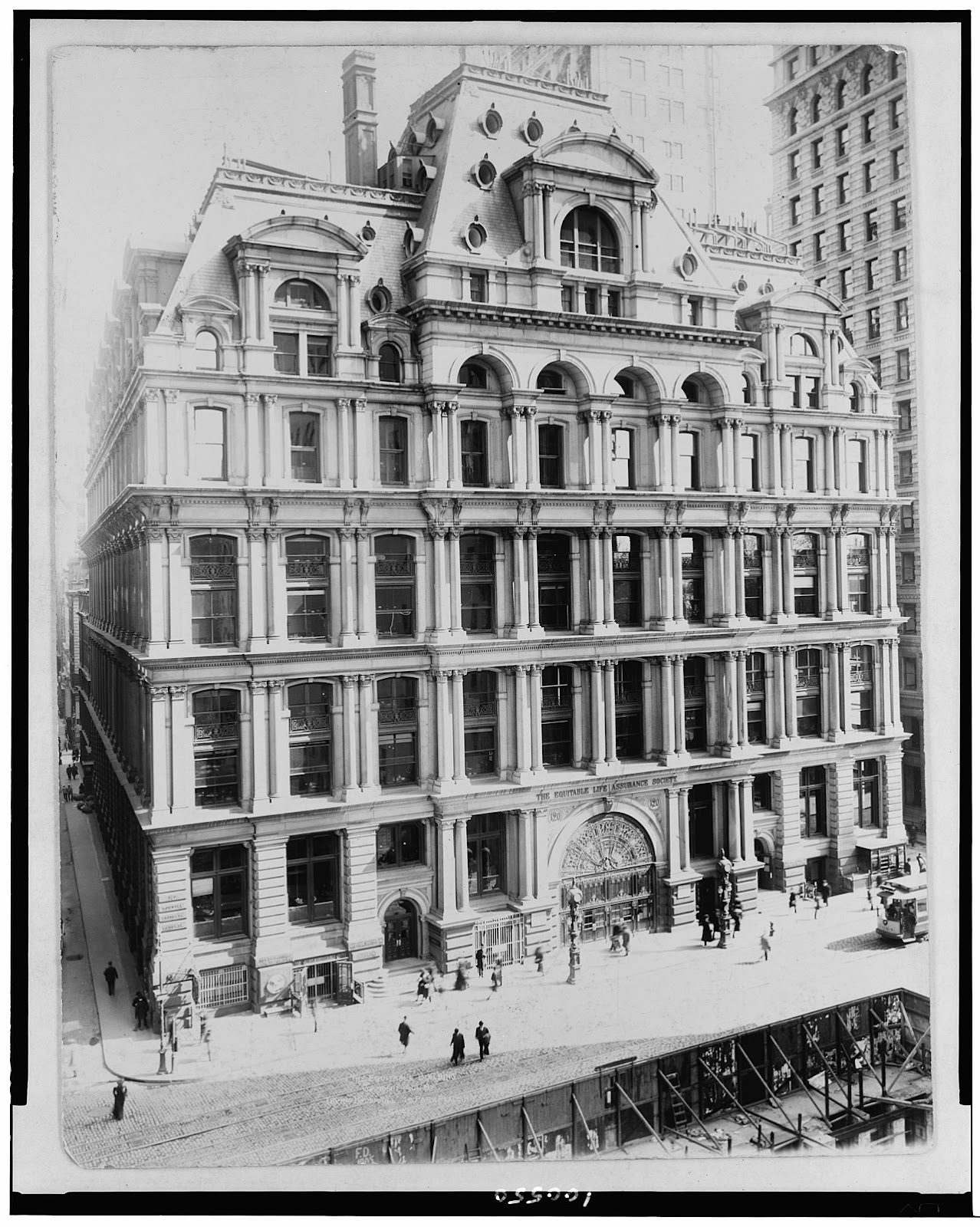
George Post, who designed many legendary buildings in New York, including the New York Times Building, New York Produce Exchange, Equitable Life Building (Manhattan) and St. Paul Building, endowed Bronx Borough Hall with the following architectural features:
- A contrasting combination of materials.
Traditional paving stones and elegant terracotta created a play of dark and light shades, which was further enhanced by an exquisite texture. The selected materials emphasized the monumentality of the building and its sophistication at the same time.
- Renaissance notes.
Characteristic symmetry, simple laconic forms and traditional decorative elements. All this created an atmosphere of ageless classics and modern design.
- The majestic staircase.
Only two years after the opening of Bronx Borough Hall, the staircase was completed. However, this is the case when the wait was not in vain. The stairs became a distinct visual accent and emphasized the grandeur of the building.
- Decorative elements.
The author of the project used many architectural details, which significantly increased the artistic value of the facades. Terracotta ornaments gave the walls a special charm and perfectly complemented the architectural ensemble.
From love to hate
The entire political elite was delighted with the luxurious building, which proudly towered over the Bronx. Everyone happily rushed to the Bronx Borough Hall in the morning to do great deeds. Then, the members of the City Council had something to do. The Bronx, like other boroughs of New York, was on the verge of great changes, as it was setting off on an independent free voyage.
After the First World War, the park surrounding the Bronx Borough Hall was renamed Victory Park. It was reconstructed, a large fountain was built there, the green area was expanded and new flower beds were planted.
Even so, the Bronx officials were gathering at Bronx Borough Hall in a less than upbeat mood. Over the years, many changes had occurred in both the presidential administration and the structure of other government agencies. It was obvious that Bronx Borough Hall was becoming increasingly cramped and uncomfortable.
Louis Haffen called the building he had previously advocated ‘wholly inadequate’ and ‘impossible to expand or adapt’ to the needs of the new borough.
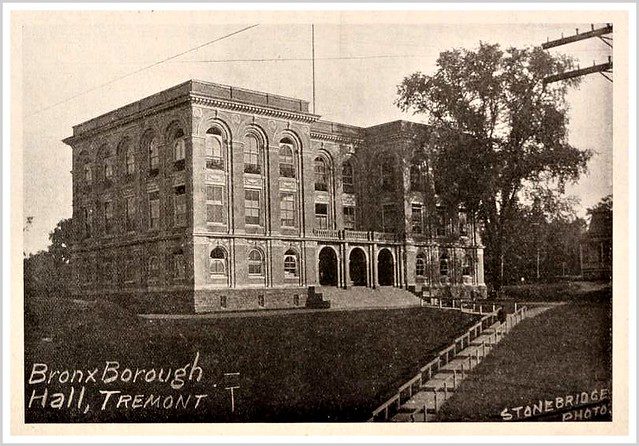
In 1928, the fifth president, Henry Bruckner, announced his intention to create a new borough hall. There were proposals to create a larger building in the same park, next to the old one, leaving the Bronx Borough Hall as an architectural monument. Others insisted on dismantling the old city hall. This is how the former admiration for the majestic architecture turned into indignation and dissatisfaction with the impractical planning and the inconsistency of the size of the building with the scale of the districts’ development.
Over the 30 years of the Bronx’s existence as a separate borough, its population grew to 1.25 million residents. Almost all institutions and departments needed significant expansion. The courthouse, which was built between 1931 and 1934, also no longer accommodated all employees and visitors.
In 1934, a decision was finally made and funds were allocated for the construction of a new courthouse on the Grand Concourse. It was a large nine-story building with many comfortable and spacious offices and halls.
Thus, the Bronx administration postponed the issue of building a new city hall and began to gradually move to a new building. In 1964, only the Marriage License Office remained in the old building.
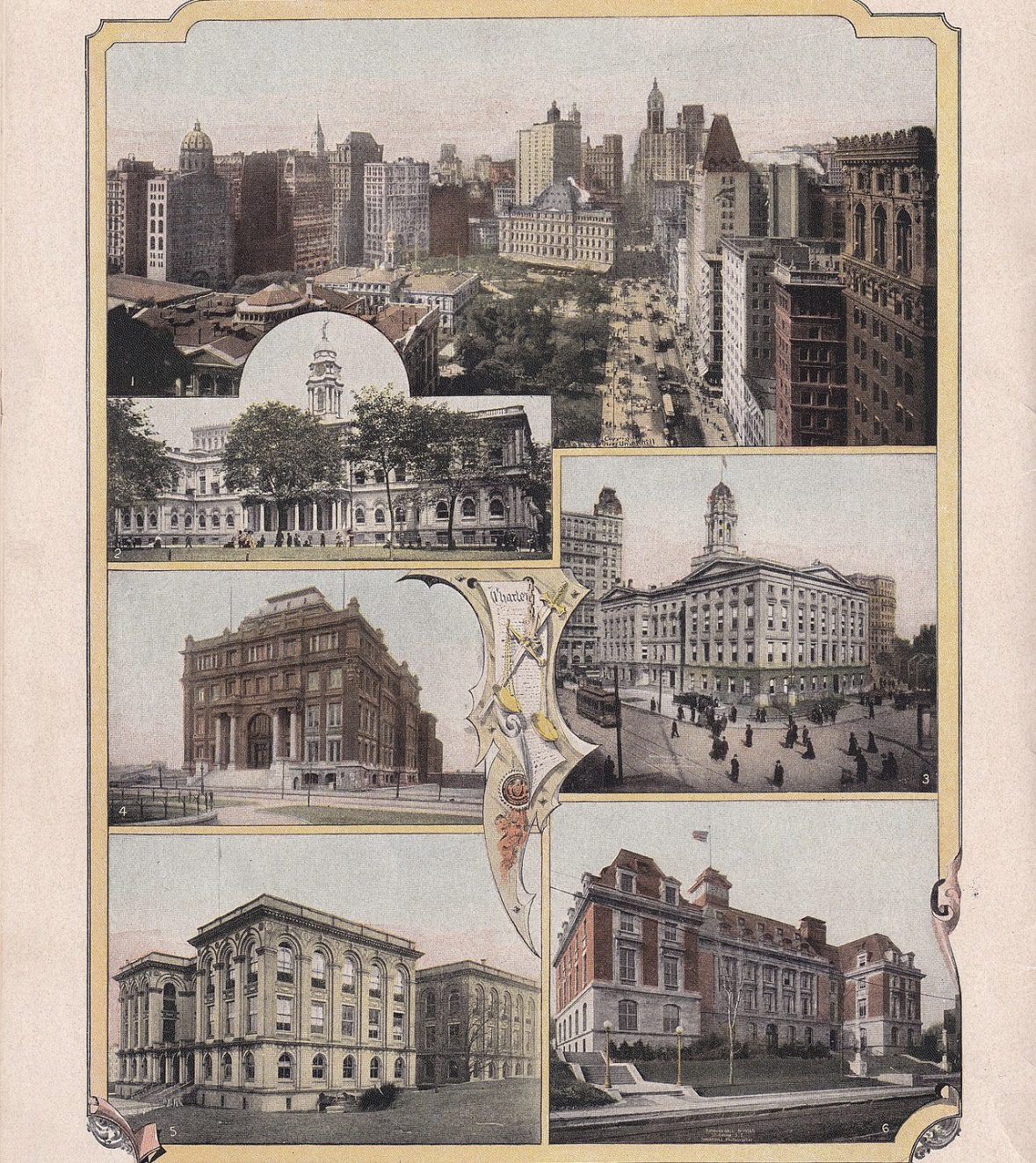
The fight to preserve the old Bronx Borough Hall
When the old city hall ceased to fulfil its primary function, the question of demolishing the building and installing more modern and useful infrastructure in its place began to be raised more and more often.
The Parks Commissioner Newbold Morris insisted on expanding the park space. The East Tremont Neighborhood Association proposed either turning the building into a recreation center or demolishing it and building a large community center. There were also defenders of the Bronx Borough Hall. Concerned Bronx residents, historians and architects fought desperately against the demolition of the former city hall. They even managed to enlist the support of then-borough president Joseph F. Perricone.
In 1965, a special commission on the preservation of New York City landmarks was convened, which announced the holding of public hearings on the future fate of Bronx Borough Hall. At that time, eight witnesses, led by the chief historian of the Bronx, spoke in favor of preserving the old Bronx Borough Hall building. They were opposed by representatives of the Parks Department and the East Tremont Association. For six months, the commission considered the arguments of both sides and concluded that Old Bronx Borough Hall deserved to become the 23rd landmark of New York and the first official landmark of the Bronx.
Fatal fire
However, the historical community did not rejoice in its victory for long. In 1968, a major fire broke out in the Old Bronx Borough Hall building. Some see this as an evil plan and a thirst for revenge, others refer to the fire hazard of the building itself and an accident. Be that as it may, only the symbolic staircase remained from the grand old city hall. It turned out that everyone lost in this dispute. The architectural monument could not be preserved for posterity but a modern entertainment or community center was not built on this site either.
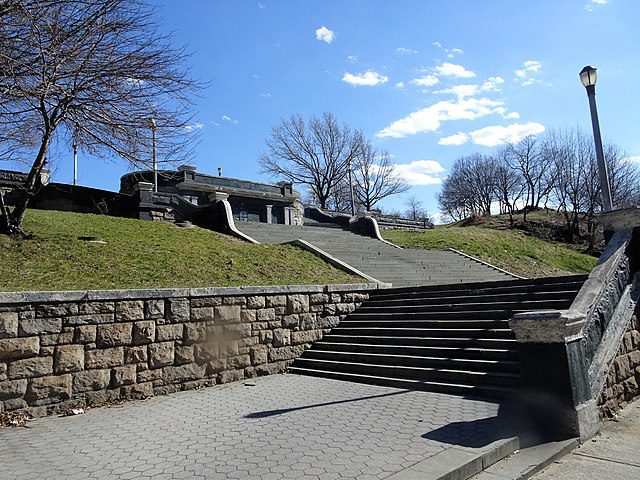
The entire political elite of the Bronx remained in the courthouse. There are no discussions about the construction of a separate Bronx Hall. Many more pressing issues require the administration to solve them as soon as possible, as the Bronx continues to actively develop and change, just like 100 years ago.
Read another interesting article about the secrets of the Bronx here.