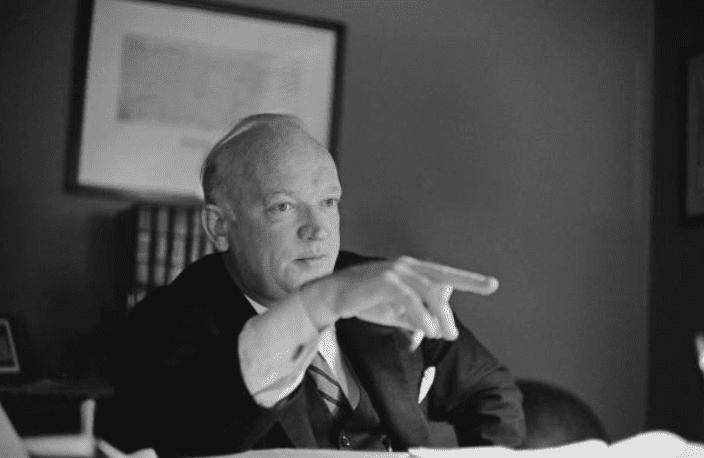

For most of his life, James Britt Donovan was an ordinary lawyer. He was a simple insurance attorney with an office in Manhattan’s Financial District, a good family man, and a devout Catholic. But a few remarkable episodes in his life earned this regular lawyer global fame and recognition from the highest echelons of power in the U.S. In this article on bronx-yes, we’ll tell you about James Donovan’s historic meetings with Nazi war criminals, KGB officers, and Cuban Prime Minister Fidel Castro.
A Natural-Born Leader
James Donovan was born in the Mott Haven section of the Bronx on February 29, 1916, the second son of Harriet and John Donovan. His mother was a pianist and music teacher, and his father, the son of Irish immigrants, was a renowned surgeon and an associate professor of operative surgery at Fordham’s medical school.
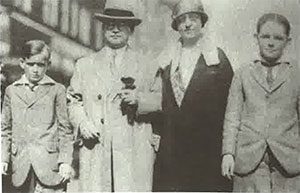
“They were very forward-thinking people,” recalled Ian Donovan Amorosi, the eldest of James Donovan’s four children. “In the mornings, my grandfather would see patients at home in the back room. In the afternoons, my grandmother would give music lessons at the grand piano in the living room. And in the evenings, they often held political gatherings and rallies.”
It was likely from those evening get-togethers that the future diplomat gained his first insights into complex political issues.
The family always placed a special emphasis on education. After Catholic grammar school, the Donovan brothers attended Fordham, where James immediately became a leader among his peers.
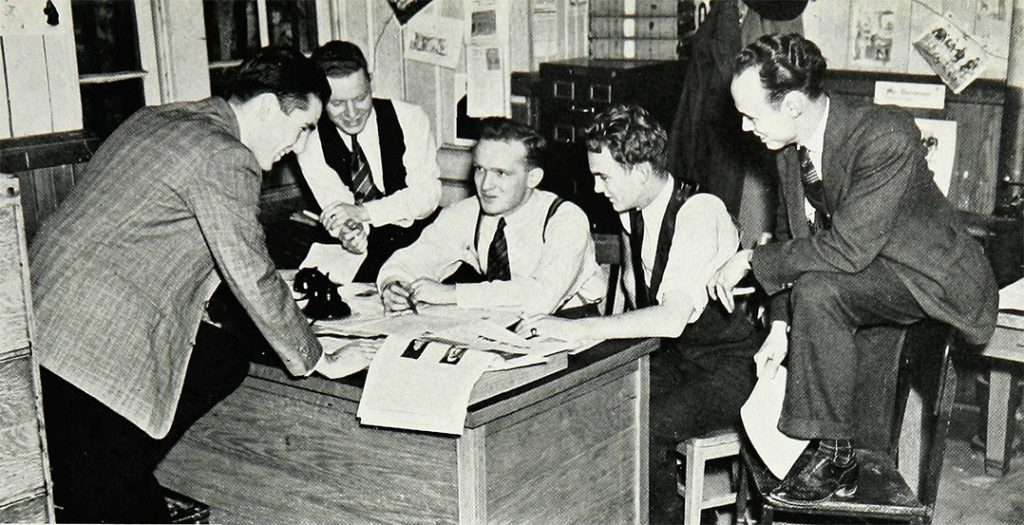
In college, he played tennis and served as the editor-in-chief of the school newspaper, “The Ram.”
Despite the Donovan family being wealthy (a personal driver always took the children to school and college in a Cadillac) and James always striving to be at the forefront, he was respected and never considered an upstart or a know-it-all. His classmates even chose Donovan as the student who “did the most for Fordham and was the best of all.” Though James planned a career in journalism, he decided to attend Harvard Law School at his father’s insistence.
Legal Director of the Scariest Film
Donovan graduated from law school in 1940 and married Mary McKenna, a girl from Brooklyn he met in Lake Placid during their families’ vacations, a year later.
After graduation, James worked in insurance and libel cases at a New York law firm. When the war began, he and Mary moved to Washington, where he became an assistant to the general counsel at the Office of Scientific Research and Development—the federal agency responsible for developing the atomic bomb.
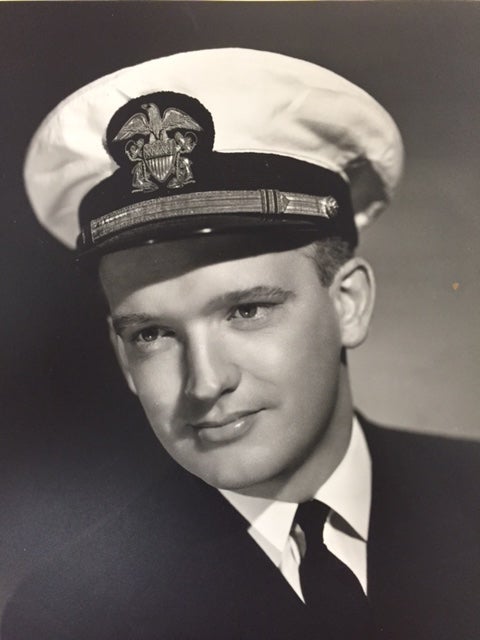
In 1943, Donovan was commissioned as an ensign in the U.S. Naval Reserve and was assigned to the newly formed Office of Strategic Services (OSS)—America’s first intelligence agency.
In the summer of 1945, Donovan spent a lot of time in London, assisting Supreme Court Justice Robert H. Jackson in negotiations for the creation of the International Military Tribunal in Nuremberg. At the main Nuremberg trial, he was responsible for presenting all the visual evidence of Nazi crimes.
From Nuremberg, he wrote to his wife, Mary:
“I haven’t made a film yet, but it will happen next week. When I do, I’m sure you will hear about it, because my testimony is really the most important in the case.”
He was referring to two films: The Nazi Plan, which used captured German newsreels as evidence against war criminals, and Nazi Concentration Camps, which documented the horrors of the Holocaust. Donovan provided legal support during the production of these films, collaborating with Hollywood directors and industry professionals.
Defending a Soviet Spy — Colonel Abel
After his work in Nuremberg, Donovan returned to his family, was discharged from military service, and immersed himself in the bustling world of postwar New York.
He achieved success as one of the country’s top insurance lawyers, while his brother, John Donovan Jr., was quickly climbing the political ladder, having been elected to the New York State Senate in 1950. Unfortunately, in March 1955, he died of a heart attack at the age of 42, which was a real blow to James.
After the tragedy, Donovan threw himself back into work. His law firm, “Watters Donovan,” was thriving, and in 1957, the family moved into a spacious 15-room apartment on Park Avenue West. On August 19 of that year, while on vacation at their cottage in Lake Placid, Donovan received a phone call from Ed Gross at his firm that became the starting point of the great story of the legendary American lawyer and negotiator. Gross informed him of the capture of Soviet spy Rudolf Abel.
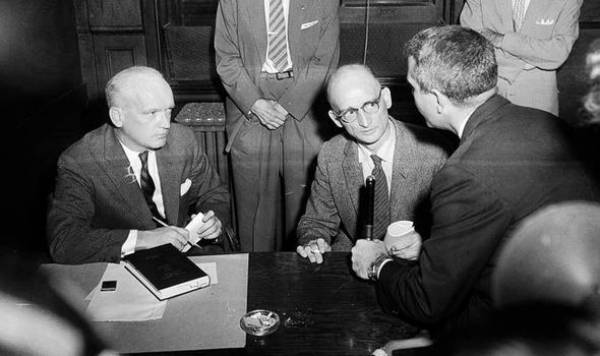
James Donovan knew he was making an unpopular decision but believed that an honest defense for Abel was crucial for American justice. He believed that justice must be served for everyone, even for those whom society considers criminals.
After taking the case, Donovan was labeled a “friend of the communists,” and he received anonymous letters and threatening phone calls for defending the Russian spy.
The trial was difficult and long. In one month, Donovan was able to have only one Sunday dinner with his family. James admitted that while working on the case, he began to respect Abel as an educated man who spoke six languages and had lived in the U.S. since 1948. He considered Abel a patriot, calling him an “intellectual and a gentleman with a good sense of humor.”
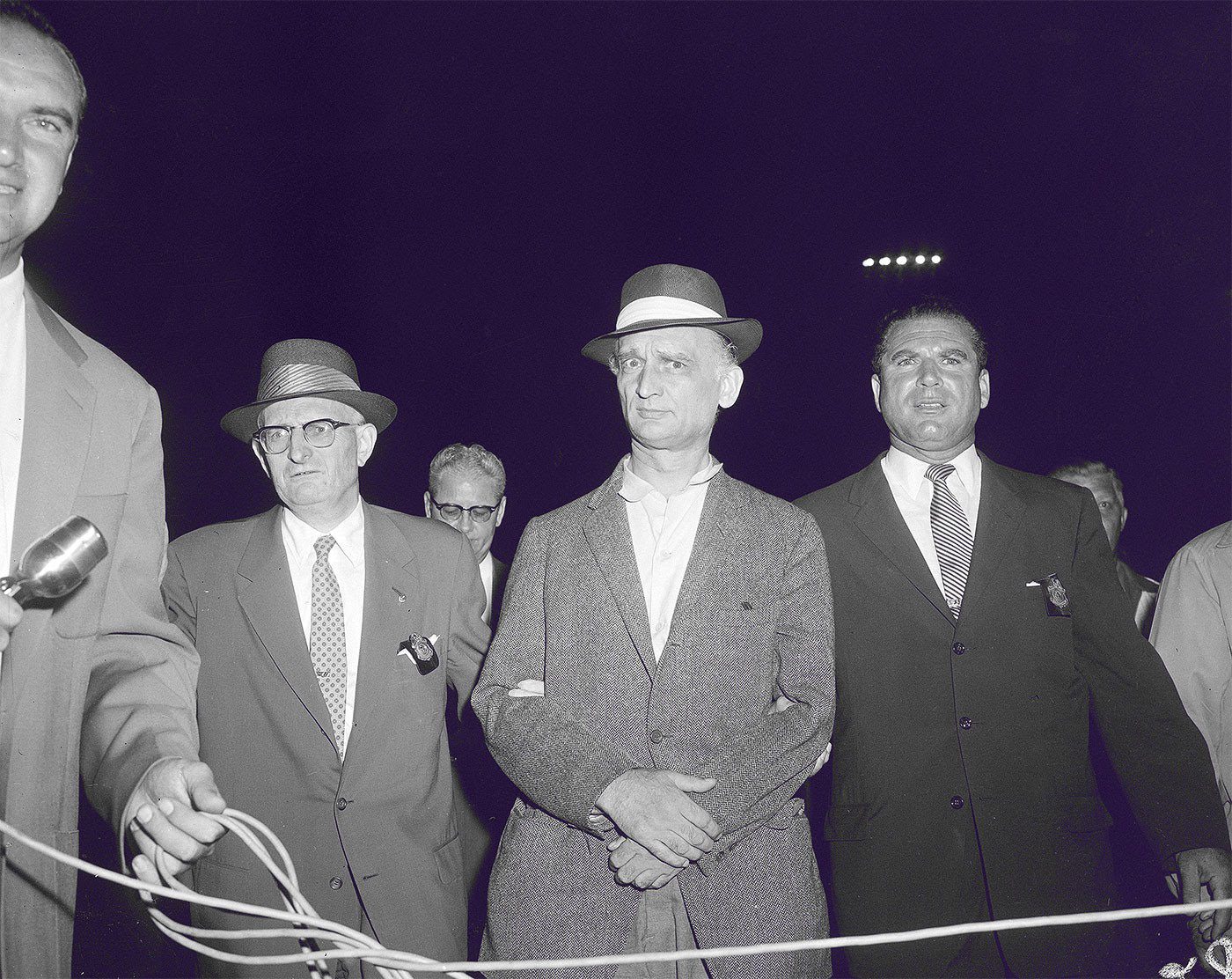
However, there was a lot of evidence against Abel. In March 1960, the Supreme Court upheld the verdict. Donovan filed a petition for a rehearing, noting that it was important not only for Abel but also for millions of Americans whose rights were restricted by this decision. Although the petition was denied, the Chief Justice gave Donovan high praise for his work:
“I think I can say that in the time I have been on this Court, no man has undertaken a more difficult, a more selfless task.”
Law professor Thomas Lee noted that Donovan’s defense of Abel was a heroic act:
“Then as now, there was a great number of people who believed that basic procedural rights should be given to anyone, regardless of their ideology or skin color.”
A Covert Operation in Berlin
On May 1, 1960, American pilot Francis Gary Powers was captured in the Soviet Union after his U-2 spy plane was shot down near Sverdlovsk.
Read about a prominent American pilot from the Bronx here.
With the approval of the CIA and the State Department, Donovan proposed a prisoner exchange of Abel for Powers. The Soviet Union had also detained two American students—Frederick L. Pryor and Marvin Makinen—on fabricated espionage charges. Donovan was instructed to try and secure the release of all three Americans.
James traveled to Berlin without official support, as the government did not want to be associated with the negotiations. On February 2, while in London, he telegraphed his wife that he intended to visit friends in Scotland, and then he went to Berlin.
The negotiations lasted for several days, which Donovan described as a “war of nerves.” The Soviet government was willing to exchange only Powers or Makinen, but not both. James threatened to call off the deal if the students were not included in the exchange.
On February 10, at 8:20 a.m., Donovan walked to the Glienicke Bridge—a symbolic location for spy exchanges between East and West. The exchange went smoothly. Abel was exchanged for Powers and Pryor. The second student, Makinen, was released in 1963.
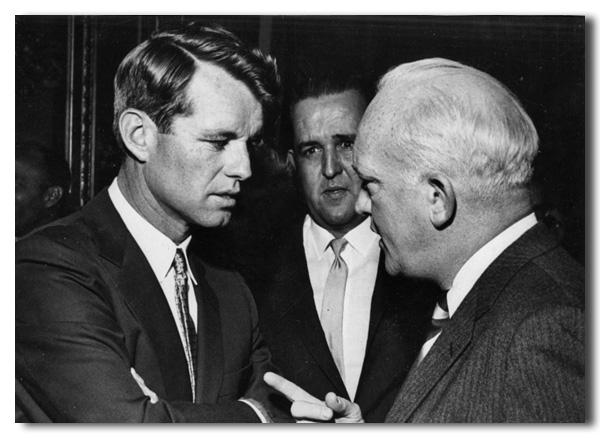
James’s son, Ian Donovan Amorosi, learned about the exchange from the news on the front pages.
“We had no idea where my father was,” he said. “Early in the morning, a reporter called my mother and congratulated her on what he had done. She thought he was in Scotland playing golf!”
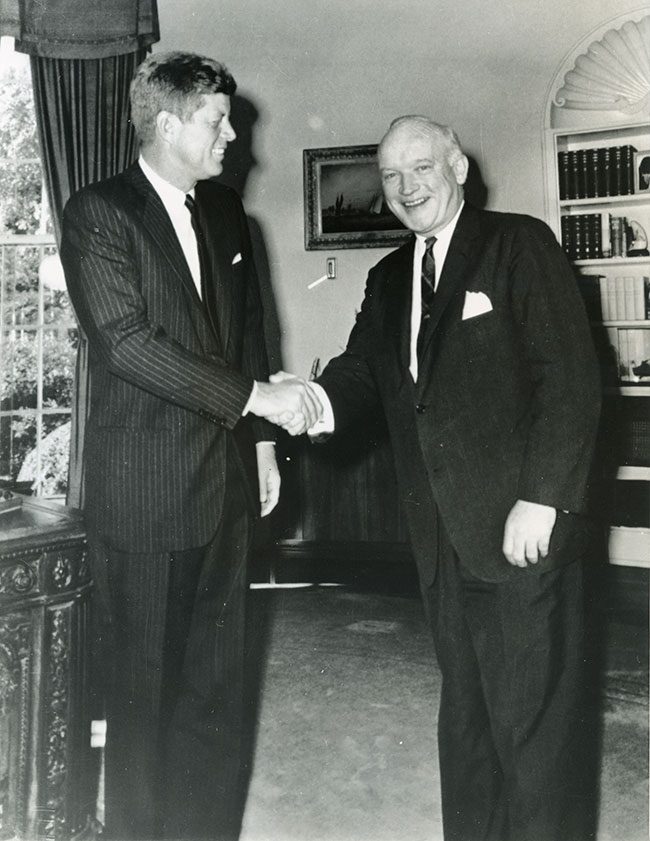
President John F. Kennedy expressed his gratitude to Donovan for his role in negotiating the exchange of Abel, Powers, and Pryor. In a personal letter, the president wrote:
“To my knowledge, the type of negotiation which you arranged when diplomatic channels were unavailing is unique, and you carried it off with the greatest skill and courage.”
Diplomatic Miracles in Cuba
A few months after returning from Germany, Donovan received a new, dangerous diplomatic assignment. In June 1962, Attorney General Robert F. Kennedy met with representatives of the Cuban Families Committee, who were trying to raise funds to secure the release of over 1,100 CIA-trained soldiers imprisoned in Cuba after the failed 1961 Bay of Pigs invasion. The group of soldiers had aimed to overthrow the communist leader Fidel Castro, but the operation was unsuccessful.
Robert Kennedy could not involve the U.S. government in direct negotiations. He advised the committee to find a person who knew how to communicate with Castro and said he knew a lawyer who could help.
Donovan agreed to represent the Cuban Families Committee pro bono and actively pursued the matter, making numerous trips to Cuba in 1962 and 1963. Through lengthy negotiations, James earned Castro’s trust, persuading him to accept a compensation package that consisted mostly of medicine and food.
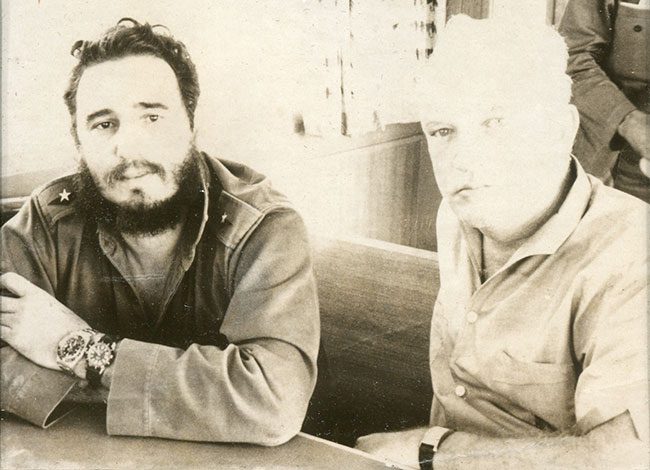
The prisoners were released on Christmas Eve 1962. Donovan returned to Cuba in April 1963 and was able to secure the release of over 8,000 more people, including relatives of the former prisoners and some American citizens. On this trip, he brought his 18-year-old son, John, with him to create a more personal connection during the negotiations.
“It was a psychological trick,” recalled John Donovan, “a bit of showmanship. He knew Castro had a son of his own, so he brought me. He liked to make things as personal as possible.”
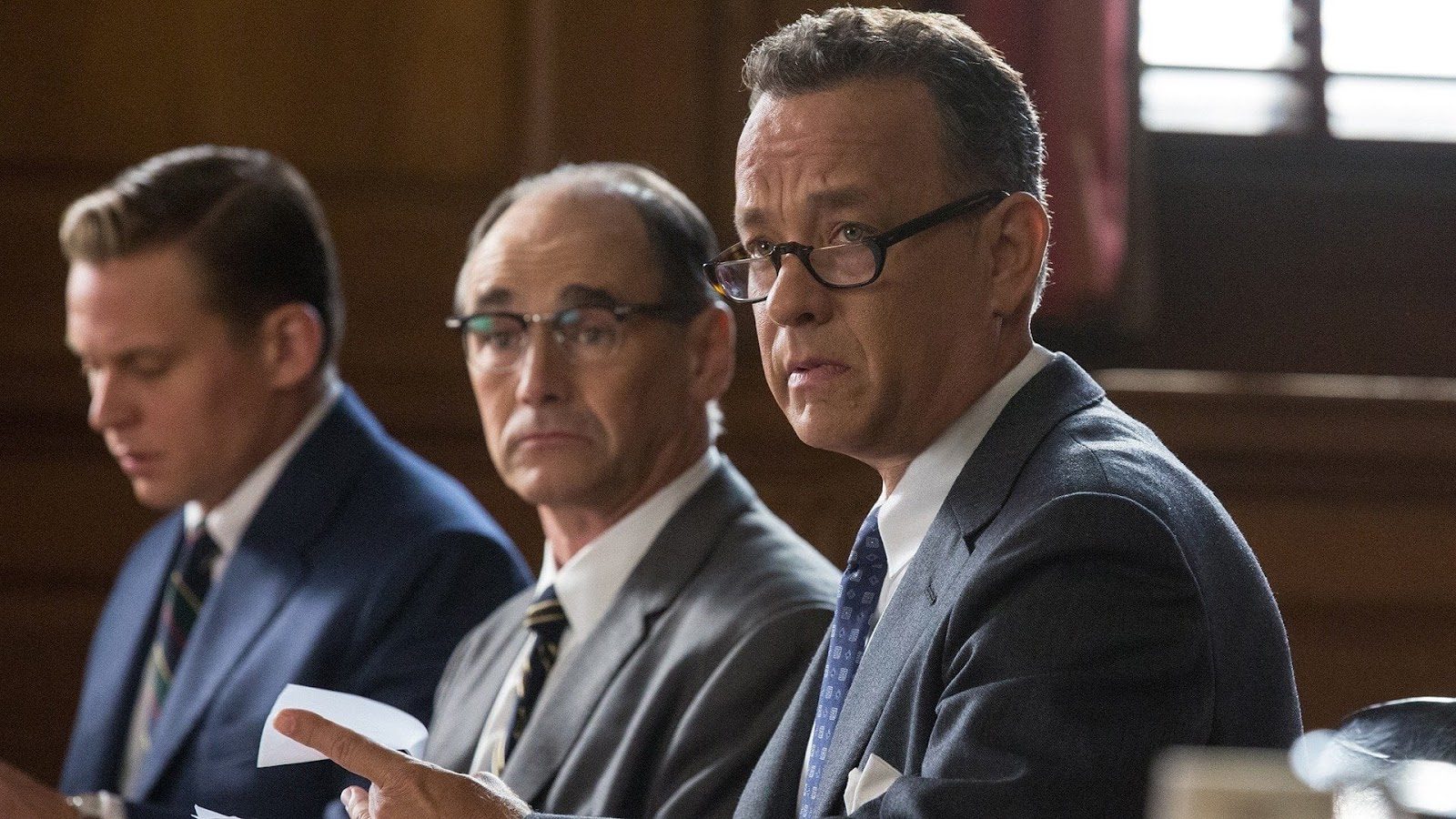
On October 16, 2015, Steven Spielberg’s historical thriller Bridge of Spies, which is dedicated to the 20th century’s master of negotiation, was released. Tom Hanks played Donovan in the film, and Amy Ryan played his wife, Mary.
Read the article about a famous military strategist from the Bronx here.