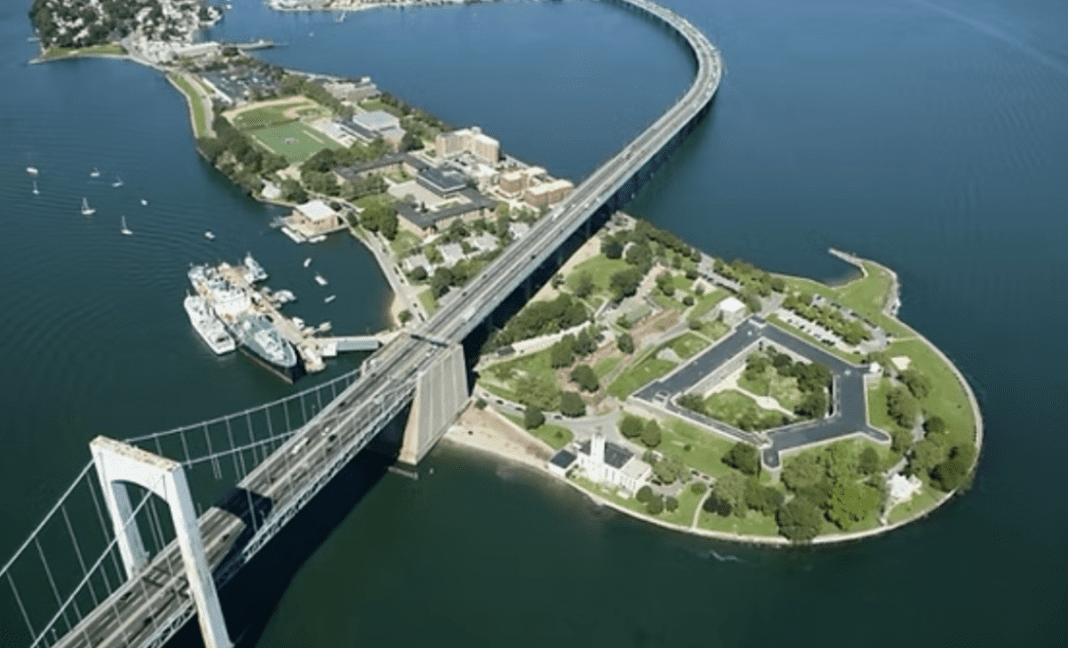

Defensive structures were once an integral part of any city located on the shore of a large body of water. New York City also had several forts and fortifications. This article on bronx-yes will tell you about one of them.
Building the Fort
In the early 19th century, New York City was already home to over 200,000 people. The city was known for its favorable natural conditions, advantageous location, powerful financial center, and its status as the first capital of the United States. New York’s Lower Harbor was already protected from attack at that time. The next defense priority was to build fortifications in the east.
Planning for the construction of a fort on the Throggs Neck peninsula began in 1818, but it was several years before work started. The process was stalled because the land was privately owned. In addition, many other internal issues constantly diverted the government’s attention away from fortification matters. It wasn’t until 1826 that the federal government purchased the 52-acre site from William Bayard, but construction of the fort only began in 1833.
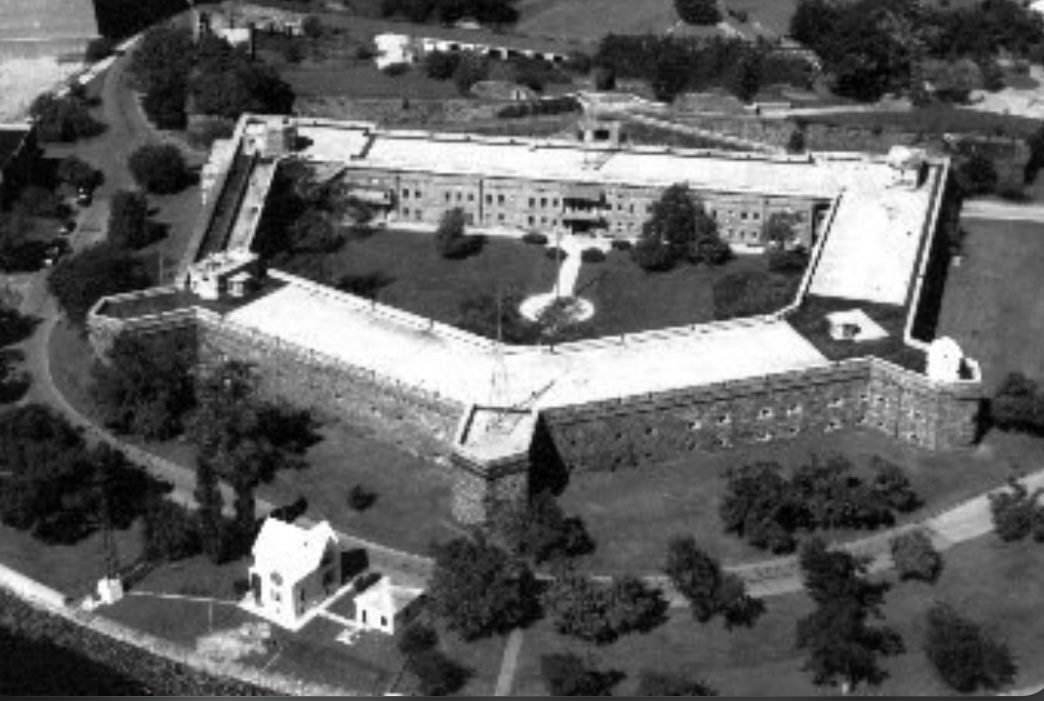
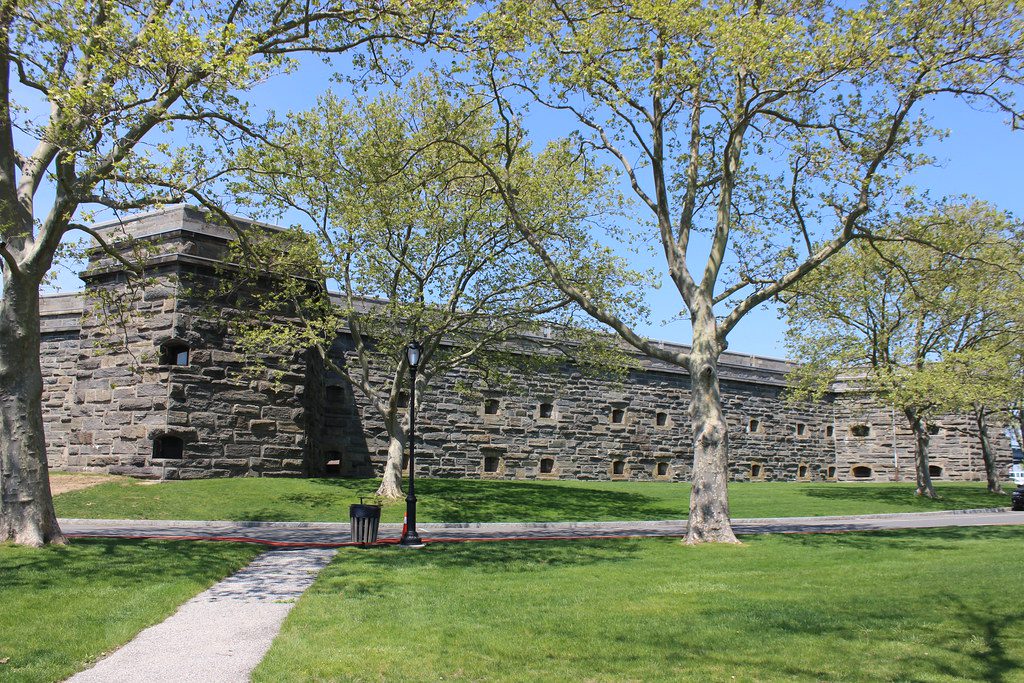
The fort was built of granite brought from Greenwich, Connecticut. It was designed in the shape of an irregular pentagon and was considered the best example of French fortifications in the United States for protection against naval and land attacks.
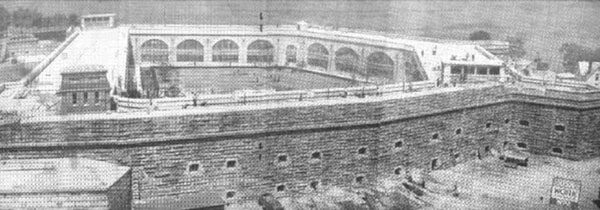
In December 1845, the fort was ready for armament, a process that was approached with great care. The new fort’s military equipment included 312 coastal and garrison cannons, 6 field units, and 134 heavy cannons. The installation of the weapons was completed 11 years after the fort’s construction. After all the work was finished, the fortification was named “Fort Schuyler” in honor of General Philip Schuyler, who commanded the Northern Army in 1777. His campaign is believed to have had a decisive influence on the defeat of Burgoyne by General Horatio Gates, who succeeded Schuyler.
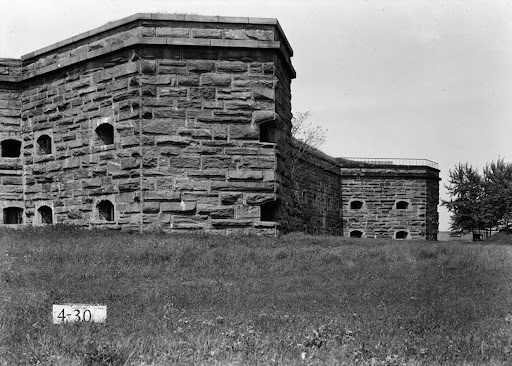
The fort could hold a garrison of 1,250 people. The fortification had three full bastions on the waterfront, two half-bastions on the land side, and other features that allowed for fire from all directions. There were also two tiers of guns in the casemates with embrasures and one on the barbette. Access to the fort from the land side was via a drawbridge, similar to a medieval castle, with a tunnel and narrow slits for riflemen, allowing for active fire on the enemy.
A Multifunctional and Ergonomic Structure
In 1861, Fort Schuyler was occupied by engineers, who remained there until 1865. They designed and tested every single element to hand the fort over to the military fully ready for effective defense. In 1862, a hospital with 2,000 beds was built on the fort’s grounds. It was later destroyed in a major fire, but during its existence, it was the only medical center of such a scale on a defense line in the United States.
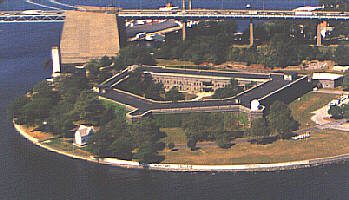
During the Civil War, the fort also served as a prison for captured Confederate soldiers. Chambers for 500 people were set up inside. In 1868, the fort was reinforced with ten Rodman guns, which were later replaced with eight-inch rifles.
The fort had surprisingly comfortable living conditions. Every soldier dreamed of being stationed there. Officers and enlisted men lived in casemates located in two-tiered rooms. The quarters were well-equipped, had everything necessary, and were well-ventilated in the summer and heated in the winter. The entire service staff and soldiers’ families also lived on the fort’s grounds. They resided in a single-story building with 24 rooms. Bathrooms were only installed in the hospital, but special washstands and sinks were provided. There were also several wells with clean water on the premises. It’s worth noting that the fort had very good natural drainage and a good sewer system that was regularly cleaned by the tides, ensuring proper sanitary conditions—according to a report from the doctor on duty, there were no deaths related to infection or poisoning, which was a great rarity at the time.
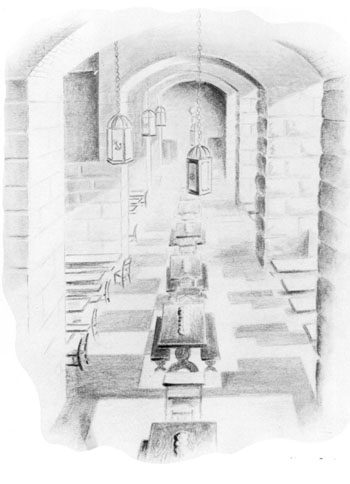
After October 12, 1870, when the artillerists left the fort, it became a bit neglected without proper maintenance. However, three years later, the government decided to restore its operations and even began work on expanding the northern and eastern waterfronts to build new gun batteries there. But this work was stopped in 1875 due to a lack of funding.
In 1877, infantry returned to the fort’s garrison. In 1896, construction began on new defensive structures, during which additional guns were finally installed. In 1931, the fort came under the control of the headquarters and a platoon that handled fire control mapping for New York and the surrounding area. The last garrison officially left the fort on May 1, 1934.
The Fort’s Fate After the Army Left
When the army planned to leave Fort Schuyler, local politicians began developing plans for the site’s future use. In 1928, the fortification was proposed as a potential coastal base for the Maritime Academy. Among the numerous proposals for the future use of the land was also Robert Moses’ idea to turn the area into a city park. But the government believed that Moses had already developed a lot of parkland in New York and should probably stop there. You can read about the history of creating some parks in the Bronx in the following articles: Pelham Bay Park, Bronx Park.
In the end, the Maritime Academy’s proposal won, and in 1934, Roosevelt signed a lease agreement. The restoration of Fort Schuyler began as the permanent base for the New York State Merchant Marine Academy. While the main building’s exterior remained largely unchanged, the interior underwent significant modifications. First, 31,000 cubic yards of earth were removed from the roof, and the brick arches were cleaned. Some of the arches were rebuilt, and new ductwork and electrical systems were installed. The lower part of the arches was sandblasted and sealed, and a new concrete roofing material was installed on the roof.
A new heating plant with two boilers and an oil storage facility were also built. One of the most significant changes was the creation of a mezzanine inside the fortification, except for the northwest sector, where the dining hall—which later became a library—was located. The old floors were replaced with modern concrete, and terrazzo was laid in the dining hall. Steel frames and partitions were installed throughout for classrooms, labs, and offices.
The exterior embrasures were covered with artificial stone. The old barracks were renovated and adapted into modern dormitories with all amenities. One of the key projects was the construction of a new reinforced concrete pier for the training ship, which was 550 feet long and 40 feet wide.
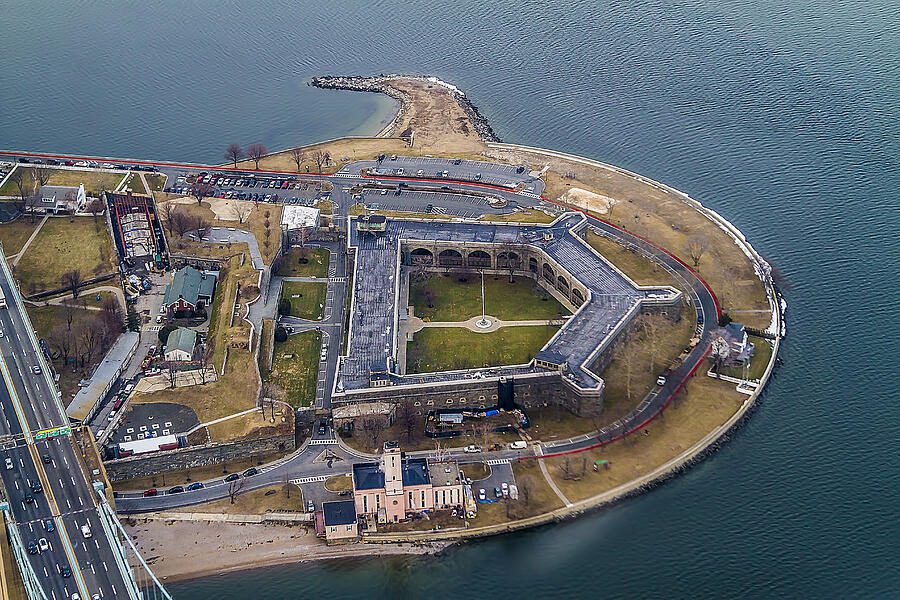
In 1938, the New York State Merchant Marine Academy finally moved into Fort Schuyler. Since then, it has been a higher education institution, now known as the State University of New York (SUNY) Maritime College. Over the years, countless new buildings have been erected on the college campus, but Fort Schuyler has remained the central element of the college.
Maritime Industry Museum
The Maritime Industry Museum was also founded on the grounds of the old fort, immersing visitors in the world of seafaring, past and present.
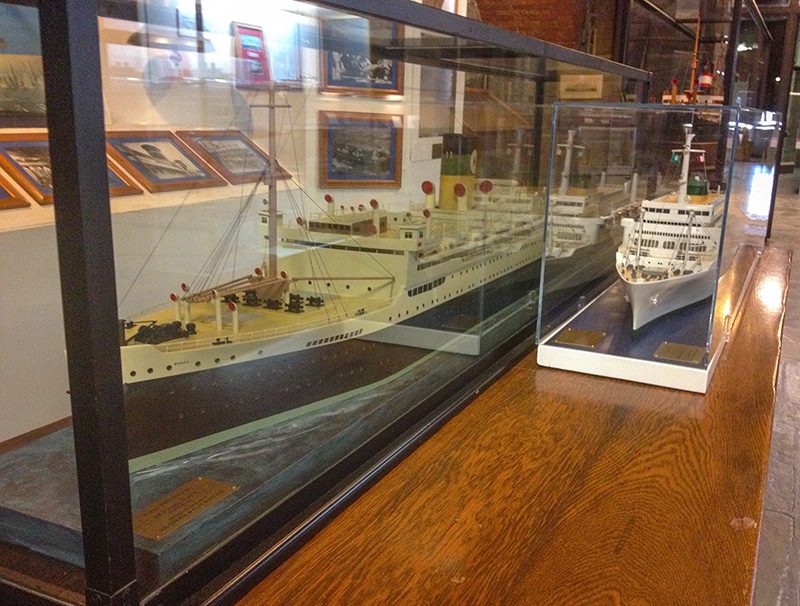
The exhibits showcase detailed ship models, historical artifacts, marine photographs and engravings, and banners representing various steamship companies.
A tour of the museum feels like a journey through time. It houses one of the largest collections of maritime industry materials in the country, presented chronologically. The main part of the exhibit on the second floor is called “The Evolution of Seafaring” and covers the history of shipping from sailing ships to modern passenger liners.
The museum’s operation, maintenance, and funding largely depend on volunteer support and donations. Many Maritime College cadets serve as tour guides and help with the care of the exhibits, and alumni participate in volunteer events.
The museum’s story began in 1986, when Captain Geoffrey W. Monroe suggested creating a museum within the walls of Fort Schuyler to educate cadets and promote maritime heritage. Thanks to the support of Admiral Floyd H. Miller and the college community, the museum quickly filled with exhibits.
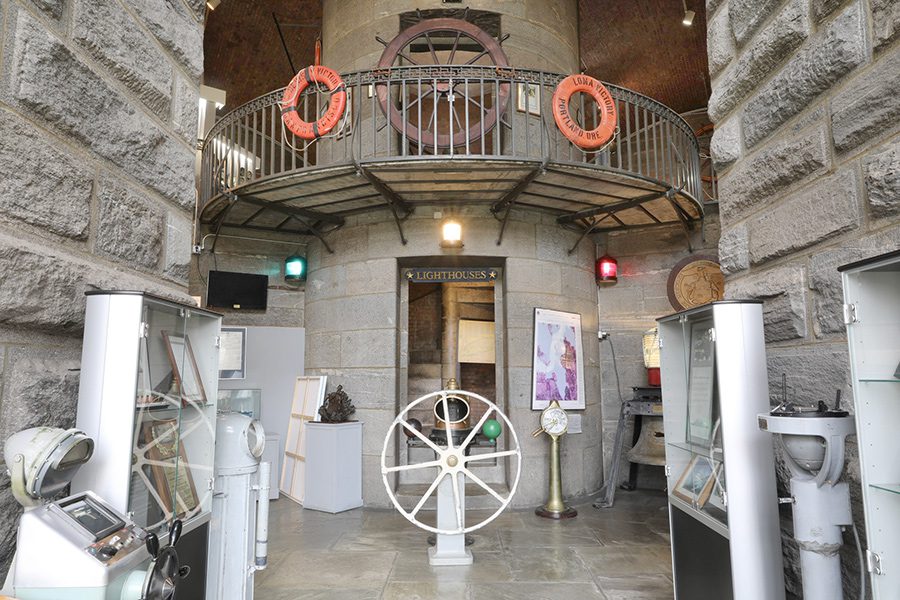
Since the museum’s opening, many shipping companies and private collectors have donated hundreds of artifacts, allowing the museum to amass over 2,000 exhibits, as well as thousands of other materials for its archives.
Admission to the museum is free. Anyone can visit on weekdays or Saturdays from 9:00 a.m. to 4:00 p.m. and dive into the world of maritime history.
Read about a prominent Marine from the Bronx in the article.