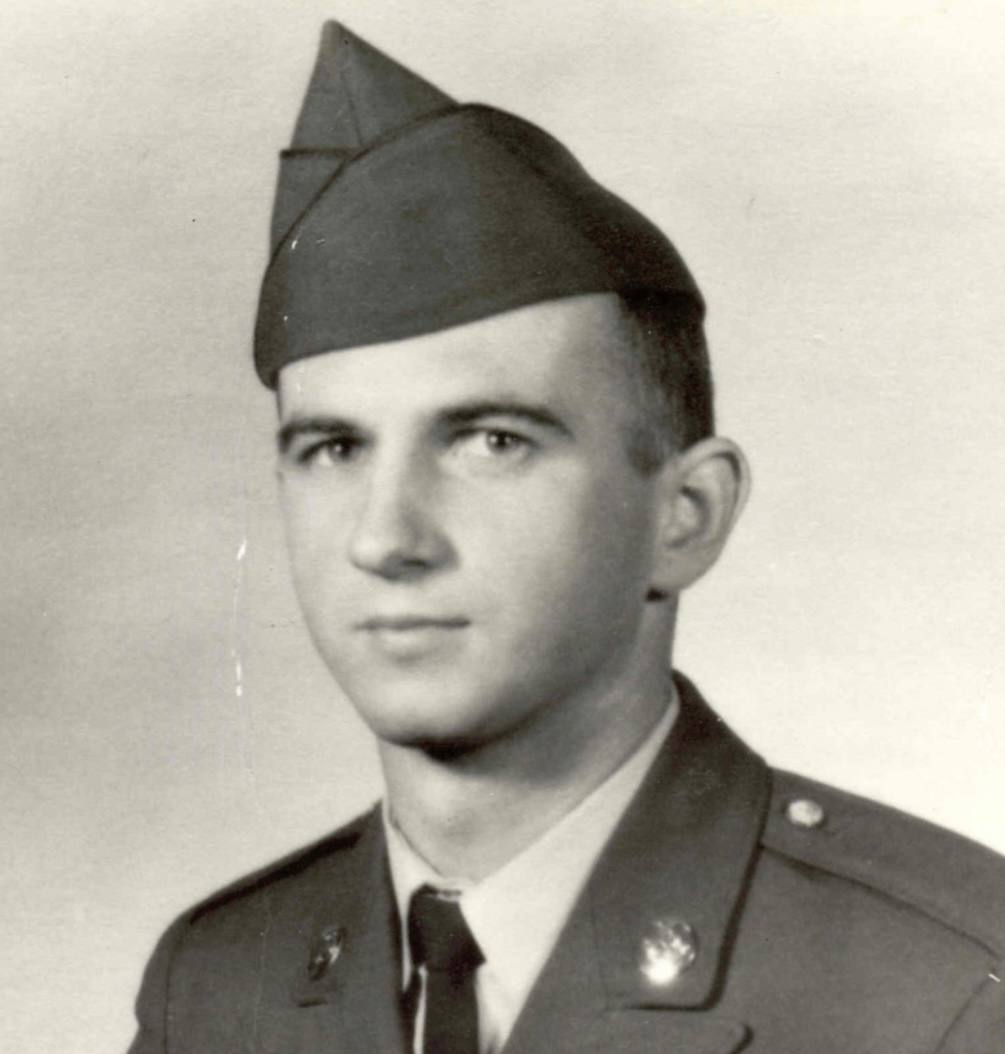

From a young age, this man demonstrated leadership qualities and strong moral values. Over the years, he only solidified his reputation as a courageous and determined individual. His life, though short, became an example of exceptional dedication to duty and his fellow soldiers. Here is the story of a hero who died in Vietnam at the age of 23, remaining faithful to the ideals of service and honor to the very end, on bronx-yes.com.
Childhood
Robert Charles Murray was born on December 10, 1946. He grew up in a devout Catholic family on Marion Avenue in the Bronx, near the Rose Hill campus. His childhood was closely connected to the local parish—Our Lady of Mercy Church. The Murray family was large: six children—three brothers and three sisters. Robert’s father, James Murray, worked as a repairman, and his mother, Frances Vail Murray, was a homemaker.
Robert received his elementary education at the church’s parochial school, and in September 1960, he enrolled at Fordham Preparatory School. During this period, the family moved from the Bronx to Tuckahoe, to a house on Dante Avenue that had previously belonged to relatives. Although the commute to school was now longer, Robert enthusiastically continued his studies.
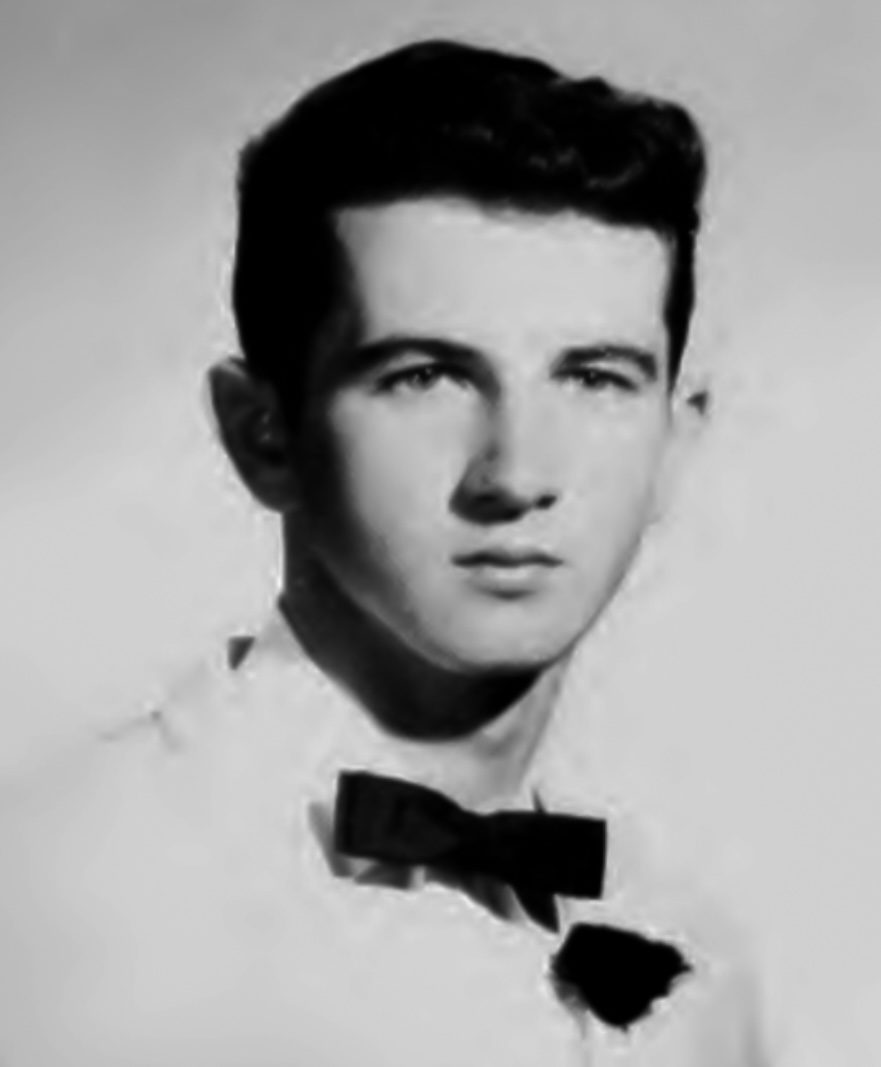
At the prep school, Murray showed his leadership skills, getting actively involved in student communities and the Sanctuary Society. He graduated with honors in 1964. After high school, Robert continued his education at Fordham University, where he earned a Bachelor of Arts degree in 1968. His childhood friend, Arthur Santonze, recalled Murray:
“We socialized together as kids, played local basketball and baseball, and also traveled together to the Bahamas during our junior year in college with his brother. He was a good friend, an inspirational friend. He believed that hard work, dedication, and sacrifice would eventually pay off.”
Following His Heart
While studying at Fordham University, Robert Charles Murray demonstrated excellent academic results, which earned him a place at Harvard Business School. He had every chance to continue a brilliant academic career and began preparing for his MBA. However, in the fall of 1968, his plans changed drastically: Murray received a military draft notice. At the time, undergraduate students were granted deferments from the draft, but graduate students had no such guarantee.
While he had the option to stay in the U.S. and apply for Officer Candidate School (OCS), which would have allowed him to earn a commission without direct involvement in combat, Murray consciously chose a different path. He made the difficult decision to temporarily postpone his studies at Harvard and voluntarily enlisted in the army as a regular soldier. At a farewell dinner on November 6, 1969, he confessed to his friend Arthur that he wanted to be as prepared as possible for his service in Vietnam and believed he could change the course of events, at least for those serving alongside him.
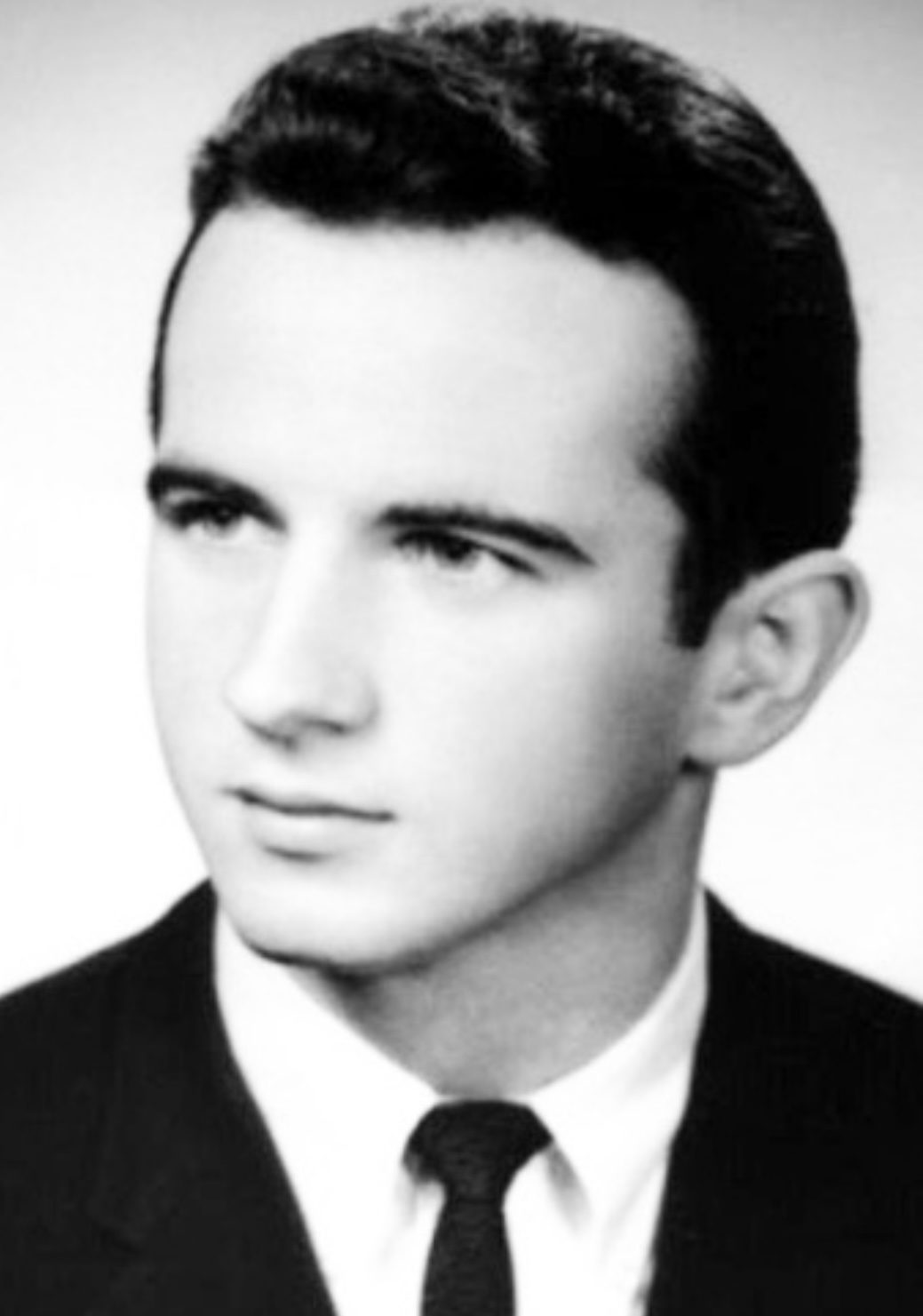
Choosing one of the most dangerous assignments, Murray volunteered for Ranger combat training—an elite unit of the American army. By mid-1970, he was serving as a staff sergeant in Company B, 4th Battalion, 31st Infantry Regiment, which was part of the 196th Infantry Brigade of the 23rd Infantry Division. His journey, from academic leader to frontline soldier, became an example of profound self-sacrifice and a sense of responsibility for his choices.
The Fatal Day
On June 7, 1970, near the village of Hiep Duc in South Vietnam, 23-year-old Staff Sergeant Robert Charles Murray performed an act that forever etched his name in the history of military valor.
That day, his unit was on a dangerous mission—they were searching for an enemy mortar that was threatening Allied forces. During the operation, one of the soldiers accidentally triggered a concealed grenade. The moment the warning was shouted, Murray instantly assessed the situation. Without a second’s hesitation and completely disregarding his own life, he threw himself on the grenade, covering it with his body. The explosion took his life but saved everyone around him.
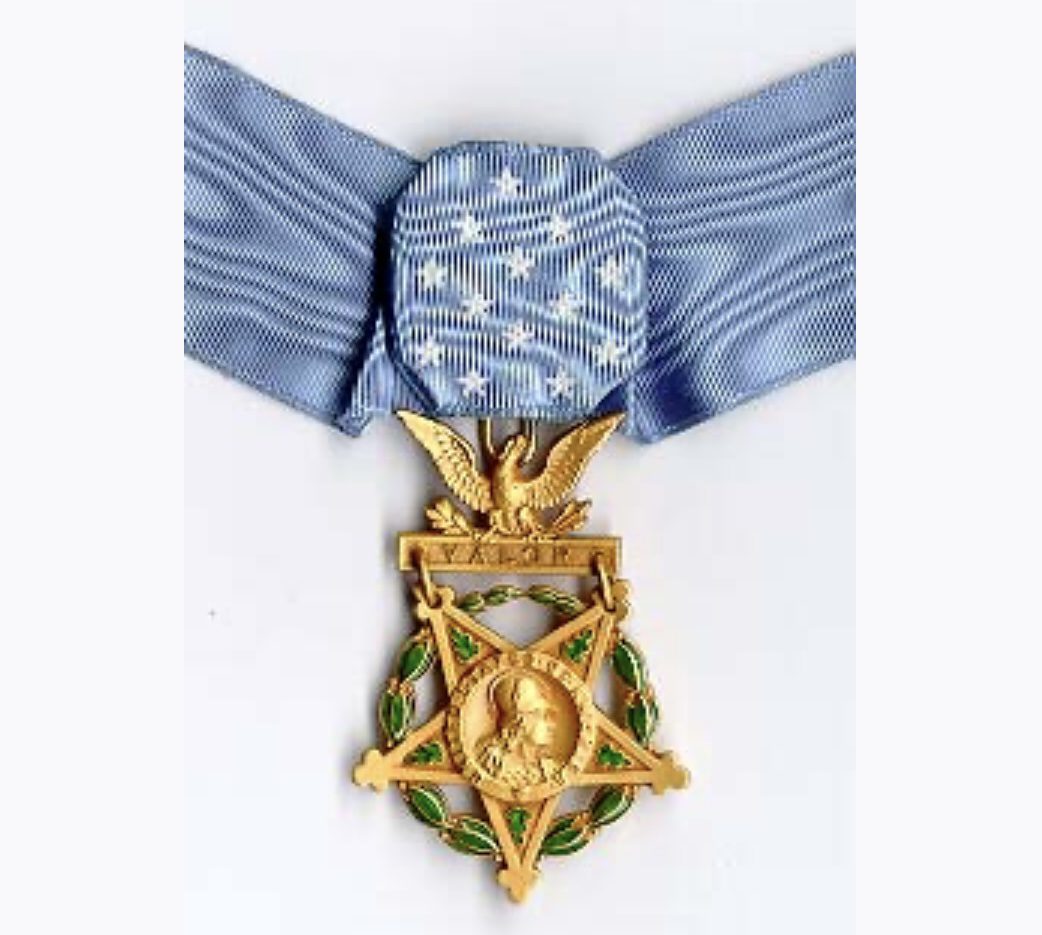
Robert’s heroic act was not an impulsive one—it was a conscious display of determination and deep responsibility. It was the culmination of his beliefs, decisions, and life values. For his self-sacrifice and for saving the lives of his fellow soldiers, Robert Murray was posthumously awarded the United States’ highest military decoration, the Medal of Honor. The official citation states that his actions “went above and beyond the call of duty” and are an example of the highest honor, courage, and dedication to military service.
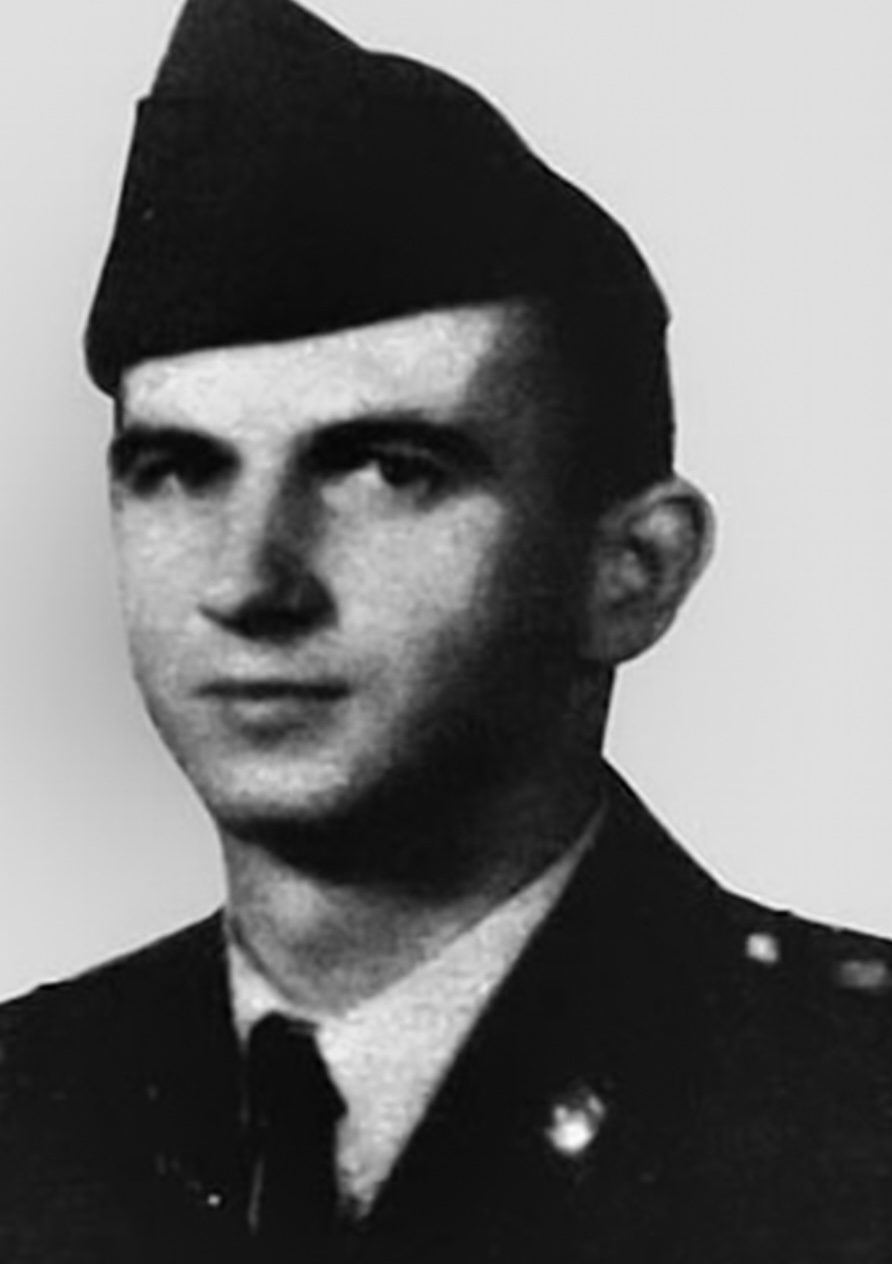
Years later, his school friend Arthur Santonze recalled that conversation on the eve of his departure and said that Robert didn’t just believe in change—he embodied it. For his comrades, he became a true hero whose determination and self-sacrifice will forever be remembered.
Posthumous Awards
In August 1974, four years after Robert Charles Murray’s heroic death in Vietnam, his family was invited to Washington, where U.S. Vice President Gerald Ford solemnly presented them with the Medal of Honor at Blair House.
“It was just like Bob to die for his people,” his mother said at the time. “He always worried so much about them.”
Robert Murray was also posthumously awarded a number of other military decorations, including:
- Combat Infantryman Badge.
This award is given to infantry and parachute soldiers who have actively participated in ground combat. It’s one of the most respected badges among U.S. Army infantrymen, signifying personal involvement in battle.
- Ranger Tab.
An award given to service members who have successfully completed the prestigious and extremely difficult U.S. Army Ranger School. It signifies a high level of physical and psychological readiness.
- Purple Heart.
An award for military personnel who were wounded or killed as a result of enemy action. It symbolizes sacrifice and suffering on the battlefield.
- Good Conduct Medal.
Awarded for exemplary military service. It highlights the discipline, responsibility, and professionalism of the service member.
- National Defense Service Medal.
Awarded to all service members who served during designated periods of national conflict or war, such as the Vietnam War.
- Vietnam Service Medal with two campaign stars.
Awarded to those who served in Vietnam. The additional stars indicate participation in two specific military campaigns that took place during different periods of the war.
- Vietnam Cross of Gallantry with palm.
Given by the government of South Vietnam for heroism on the battlefield. The palm branch means the award was presented at the army command level (the highest level of recognition).
- Republic of Vietnam Campaign Medal.
Awarded to military personnel of allied countries who served in Vietnam. It symbolizes recognition for their contribution to South Vietnam’s fight against communist forces.
Heroes Never Die
After Robert Murray’s death, his memory lived on. The hero was buried at Gate of Heaven Cemetery in Hawthorne, New York, but his valor continued to be honored for decades. On Veterans Day in 2012, a portion of Dante Avenue in his hometown of Tuckahoe—the street he grew up on—was officially renamed Sgt. Robert C. Murray Way. Fordham Preparatory School, from which he graduated with honors, keeps a copy of this certificate as a symbol of pride in its alumnus.
In 2013, a memorial to those who died in Vietnam was unveiled in the university church on Fordham’s Rose Hill campus. During the ceremony, the university’s president, Father Joseph McShane, emphasized that by honoring alumni like Murray, the Fordham community prays that their sacrifices will never be forgotten and that their memory will inspire future generations to value democracy, peace, and freedom.
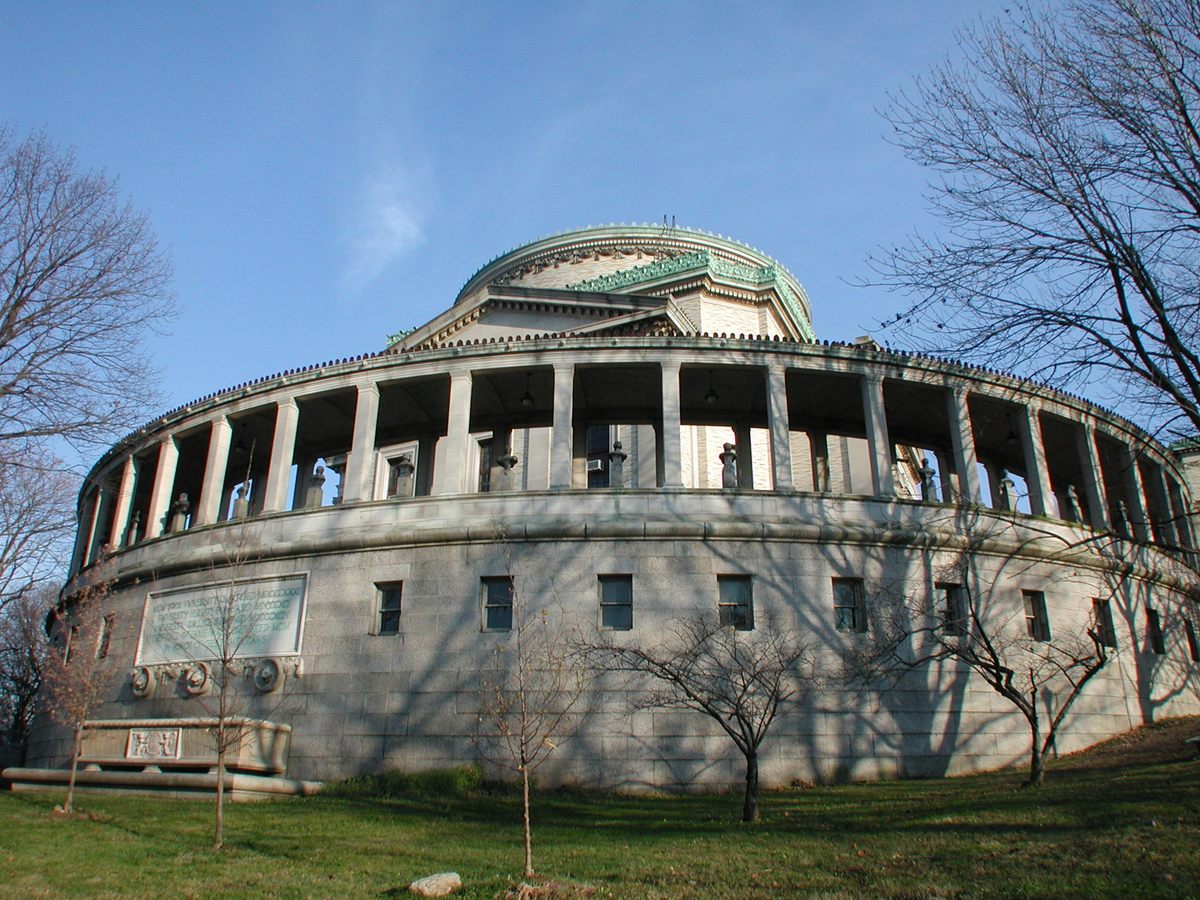
In 2014, Robert was inducted into the Fordham University ROTC Hall of Fame, and his name is engraved on the Vietnam War Memorial located in the university church. He is also one of only 18 Harvard University alumni to be awarded the Medal of Honor, which further attests to the greatness and importance of his sacrifice.